
If you have ever walked into an aquatic shop and stopped dead in your tracks looking at a tiny, shimmering blue fish with bright red eyes, you have probably seen a blue ram cichlid. These little fish are some of the most beautiful freshwater fish you can keep in a home aquarium. Their bright electric blue colours, peaceful personalities, and small size make them very popular among fishkeepers. But here is the thing: blue rams are not the easiest fish to care for. They are what experts call “sensitive” fish. This means they need very clean water, the right temperature, and a stable environment to stay healthy and happy. Many beginners buy them because they look so pretty, only to have them die within a few weeks. That is sad for the fish and frustrating for the owner.
In this guide we will teach you everything you need to know to keep blue ram cichlids successfully. We will cover tank setup, water parameters, diet, health, breeding, and more. By the end, you will know exactly what these fish need and whether they are the right choice for you. Let’s get started.
What Are Blue Ram Cichlids?
Blue ram cichlids, scientifically known as Mikrogeophagus ramirezi, are small freshwater fish that come from South America. They are native to the Orinoco River basin in Venezuela and Colombia. In the wild, they live in slow-moving rivers, flooded grasslands, and small pools with lots of plants and tree roots. The water there is warm, soft, and slightly acidic, very different from the tap water in most homes.
These fish are dwarf cichlids, which means they stay small. Adult blue rams grow to about 5 to 7 centimetres long. Males are usually a bit larger than females. Their lifespan is typically 2 to 4 years with good care. Some may live a little longer, but most do not make it past four years.
There are several different types of blue rams you might see in the shops. The German Blue Ram is the most common. It has a golden-yellow body covered in bright blue spots and speckles, with a black stripe through the eye and a black spot on the side. The Electric Blue Ram is bred to be almost completely bright blue with very little other colour. The Gold Ram is mostly yellow-orange with less blue patterning. The Balloon Ram has a shorter, rounder body shape. All of these are the same species, just different colour varieties that have been selectively bred. The Electric Blue and Balloon varieties are often more delicate and harder to keep than the standard German Blue Ram.
Tank Setup and Environment
Getting the tank right is the most important thing you can do for your blue rams. If the tank is not set up properly, your fish will get stressed and ill. Let us go through everything step by step.
Tank Size
The minimum tank size for a pair of blue rams is a 75-litre tank. If you want to keep more than one pair, you will need a larger tank. Two pairs need at least 150 litres. Bigger is always better because it gives the fish more space to swim and helps keep the water quality stable. A 75-litre tank is fine for a single pair, but if you can get a 115 or 150 litre tank, your fish will be even happier.
Substrate (Bottom Material)
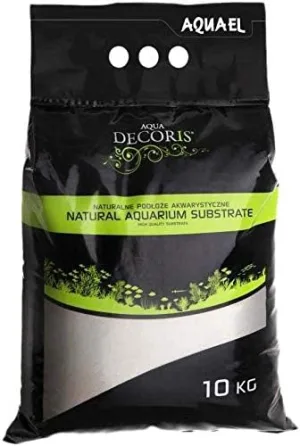
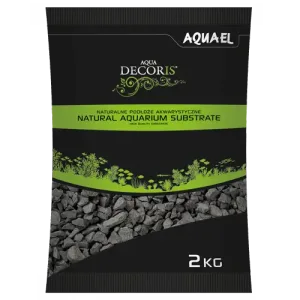
Blue rams come from rivers with sandy bottoms. They like to dig and sift through the substrate looking for food. The best choice is fine sand or very smooth small gravel. Sharp gravel can hurt their delicate mouths. Sand looks natural and lets them show their natural digging behaviour.
Decorations and Plants
In the wild, blue rams live in areas with lots of plants, bogwood, and leaf litter. Your tank should mimic this environment. Here is what you should add:
Live plants are great for blue rams. Good choices include Amazon swords, Anubias, and Java fern, all easy aquarium plants. These plants provide hiding spots, make the fish feel safe, and help keep the water clean. Java moss is especially useful because it provides tiny organisms that baby fish (fry) can eat.
Bogwood and smooth rocks should also be added. Bogwood releases tannins that slightly acidify the water, which blue rams like. Rocks give the fish places to explore and claim as territory.
Caves and hiding spots are important too. Blue rams can be shy, especially when they are new. Give them plenty of places to hide if they feel threatened. You can use terracotta pots, coconut shells, or special aquarium caves.
A dark background on the back of the tank is also recommended. It makes the fish feel more secure and helps their bright colours stand out.
Filtration
Blue rams need very clean water with low levels of organic waste. A good filter is essential. A sponge filter or a gentle-flow filter works well. The key word here is “gentle”. Blue rams do not like strong water currents. In the wild, they live in slow-moving water, so a powerful filter that creates a strong flow will stress them out. If you use a hang on back or canister filter, make sure the outflow is adjusted to be gentle.
Lighting
Blue rams do not need very bright lighting. In fact, too much light can make them feel exposed and stressed. Moderate lighting is best. Keep the lights on for about 8 to 10 hours a day. If you have live plants, make sure the light is strong enough for them but not so bright that it bothers the fish. Floating plants can help diffuse the light and make the tank feel more natural.
Cycling the Tank
This is one of the most important things to understand. Before you add any fish, your tank must be cycled. Cycling means growing good bacteria in the filter that break down harmful fish waste. Fish produce ammonia, which is toxic. The good bacteria turn ammonia into nitrite (also toxic), and then into nitrate (less toxic). This process takes about 4 to 6 weeks. You cannot skip this step. If you put blue rams into an uncycled tank, they will be poisoned by ammonia and die. Test your water regularly during cycling. You know the cycle is complete when ammonia and nitrite are both 0 ppm and you have some nitrates. Only then should you add your fish.
Key Water Parameters
Water quality is everything for blue rams. They are very sensitive to changes in their water. You need to get the numbers right and keep them stable. Here are the key water parameters:
Temperature
Blue rams need warm water. This is where many beginners go wrong. Most community tanks are kept at around 24 to 26°C. That is too cold for blue rams. The ideal temperature range is 28 to 30°C. Some sources say 26 to 29°C is okay, but the consensus among experienced keepers is that 28 to 30°C is best. Below 26°C, blue rams slow down, get stressed, and become more susceptible to disease. If you cannot keep your tank this warm, blue rams are not the right fish for you.
pH Level
Blue rams come from acidic water in the wild. The ideal pH range is 5.5 to 7.0. Slightly acidic water is best. Some sources say pH between 6.0 and 7.5 is acceptable, but aim for the lower end if possible. Wild-caught fish prefer even more acidic water with a pH of 5 to 6, but most shop-bought fish are captive-bred and can handle a slightly wider range.
Water Hardness
Blue rams need soft water. The ideal general hardness is 1 to 5 dGH. Some sources say up to 10 or 12 dGH is acceptable, but softer is better. If your tap water is very hard, you may need to use reverse osmosis (RO) water or mix RO water with tap water to soften it.
Ammonia, Nitrite, and Nitrate
Ammonia and nitrite must always be 0 ppm. These are toxic and will kill your fish quickly. Nitrate should be kept below 20 ppm for optimal health. Regular water changes help keep nitrates low.
Stability Is Key
Here is something very important: blue rams need stable water conditions. Sudden changes in temperature, pH, or hardness can shock them and make them ill. When you do water changes, make sure the new water is the same temperature and has similar pH and hardness to the tank water. Do not pour cold water straight from the tap into the tank.
Diet and Feeding
Blue rams are omnivores, but they lean towards eating more protein. In the wild, they eat small insects, worms, and tiny crustaceans. In your tank, you need to give them a varied diet to keep them healthy and colourful.
What to Feed
Here are the best foods for blue rams:
High-quality pellets or flakes should be the base of their diet. Look for cichlid-specific pellets or foods made for discus (these are often similar). Sinking granules are better than floating food because blue rams prefer to eat near the bottom.
Frozen or live foods are very important. These include bloodworms, brine shrimp, daphnia, and mysis shrimp. Frozen foods are easy to find at aquatic shops and are much better for your fish than dry food alone. Live foods like baby brine shrimp are especially good and make the fish very happy.
Vegetable matter should also be part of their diet. You can offer spirulina food, algae wafers, or blanched vegetables like spinach and courgette.
How Often to Feed
Feed your blue rams small amounts two to three times a day. Only give them as much as they can eat in about 2 to 3 minutes. Overfeeding is bad because uneaten food rots and pollutes the water. Blue rams can be picky eaters, so you may need to try different foods to see what they like. Make sure the food actually reaches them, especially if you have other fish in the tank that are faster eaters.
Tank Mates
Blue rams are peaceful fish compared to other cichlids. They usually mind their own business and do not bother other fish. However, they can become territorial when breeding. Choose tank mates carefully, and remember that every tank mate must be happy at the same warm 28 to 30°C.
Good Tank Mates
Small, peaceful community fish that like warm water make the best tank mates. Good choices include:
- Tetras – Cardinal tetras and rummy nose tetras, which both cope with high temperatures
- Rasboras – Harlequin rasboras
- Corydoras catfish – Choose warmth-tolerant species such as Sterbai corydoras
- Otocinclus – Small algae-eating catfish
- Small gouramis – Peaceful species only
Fish to Avoid
Do not keep blue rams with:
- Aggressive fish – Tiger barbs, larger cichlids, or any fish that might nip fins
- Fast-swimming fish – Fish that dart around quickly can stress out blue rams
- Large fish – Bigger fish might see blue rams as food or bully them
- Cooler-water fish – Neon tetras and most Corydoras prefer temperatures well below what rams need
If you keep a group of blue rams together, make sure the tank is large enough. In a 75-litre tank, one pair is best. In larger tanks, you can keep small groups, but each male needs his own space.
Health and Common Diseases
Blue rams are more prone to disease than many other fish because they are sensitive to water quality. The best way to prevent disease is to keep the water clean and stable. Most health problems in blue rams come from poor water conditions.
Signs of a Healthy Blue Ram
A healthy blue ram will be active and swim around the tank. Its colours will be bright and vibrant. It will eat eagerly when you offer food. Its fins will be fully extended and not clamped against its body.
Signs of an Ill Blue Ram
Watch out for these warning signs:
- Clamped fins (fins held close to the body)
- Loss of colour
- Not eating
- Hiding all the time
- Rubbing against objects in the tank (flashing)
- White spots on the body or fins
- Ragged or rotting fins
- Bloated belly
- Rapid breathing
Common Diseases
Whitespot (ich) – This is a common parasite that shows up as small white spots on the fish’s body and fins. It is often triggered by stress or sudden temperature changes. Treatment includes raising the tank temperature to 30°C for two weeks and using a whitespot treatment.
Fin Rot – This is a bacterial infection that makes the fins look ragged and torn. It is almost always caused by poor water quality. The treatment is to improve water quality with more frequent water changes and, if needed, use an antibacterial treatment.
Hole in the Head – This disease causes small pits or holes to form on the fish’s head. It is often linked to the Hexamita parasite and poor water quality, and can be treated with a Hexamita treatment.
Fungal Infections – These appear as white, cottony growths on the fish. They usually follow an injury or stress. A broad-spectrum treatment such as eSHa 2000 also covers fungus.
Prevention
The best medicine is prevention. Here is how to keep your blue rams healthy:
- Keep water quality high – Test your water regularly and do weekly water changes
- Keep temperature stable – Use a reliable aquarium heater and a thermometer
- Quarantine new fish – Always quarantine new fish for 2 to 4 weeks before adding them to your main tank
- Feed a varied diet – Good nutrition keeps the immune system strong
- Reduce stress – Provide plenty of hiding spots and keep tank mates peaceful
If a fish falls ill, it is best to move it to a separate hospital tank for treatment. This keeps the medication from affecting your other fish and makes it easier to monitor the ill fish.
Breeding
Breeding blue rams can be challenging but very rewarding. It takes patience and the right conditions. Let us go through the process.
Choosing a Pair
The best way to get a pair is to buy a group of young fish (about 6 to 8) and let them pair off naturally. They will choose their own mates. If you buy adult fish that are already paired at the shop, that works too. Telling males and females apart can be tricky. Males are usually larger and have more pointed dorsal fins (the fin on top). Females are smaller and rounder, and during breeding time, they develop a pink or red belly patch. In Electric Blue Rams, this pink belly can be harder to see.
Breeding Conditions
To trigger spawning, you need to create the perfect environment:
- Temperature – Raise the temperature to around 28 to 30°C
- Water – Soft, slightly acidic water with pH around 5.5 to 6.5
- Clean water – Very clean water with low nitrates
- Spawning site – Provide a flat rock, a broad leaf, or a small clay pot for the female to lay eggs on
The Spawning Process
Once the pair is ready, they will clean a flat surface together. The female lays eggs, and the male fertilises them immediately. A female can lay anywhere from 25 to over 200 eggs. The parents will guard the eggs and fan them with their fins to keep water flowing over them and prevent fungus.
The eggs hatch in about 2 to 3 days. The parents continue to care for the babies. The fry (baby fish) stay at or near the spawning site for a few days, absorbing their yolk sacs. After about 5 to 7 days, the fry become free-swimming and start looking for food.
Raising the Fry
Feeding the fry is one of the hardest parts of breeding blue rams. The babies are incredibly tiny. They need very small foods like:
- Infusoria (tiny microorganisms)
- Newly hatched baby brine shrimp
- Microworms
- Commercial fry food (very finely crushed)
Feed them small amounts several times a day. Keep the water very clean with small, frequent water changes.
Parental Care Issues
Blue rams are usually good parents, but sometimes they eat their eggs or fry. This often happens if they are stressed or disturbed. If you want to increase your chances of success, you can breed the pair in a separate tank with no other fish. Some breeders remove the parents after spawning and raise the eggs artificially with methylene blue to prevent fungus, but this is advanced and not recommended for beginners.
Common Mistakes to Avoid
Here are some common mistakes beginners make with blue rams:
Keeping them too cold: This is the number one mistake. Blue rams need 28 to 30°C. Do not put them in a community tank kept at 24°C.
Putting them in an uncycled tank: Blue rams are sensitive to ammonia and nitrite. Always cycle your tank first.
Not doing enough water changes: Blue rams need clean water. Do weekly water changes of 25 to 30%.
Keeping them with aggressive fish: Choose peaceful tank mates only.
Sudden water changes: Always match the temperature and chemistry of new water to the tank water.
Overfeeding: Uneaten food pollutes the water. Feed small amounts.
Conclusion
Blue ram cichlids are some of the most beautiful fish you can keep in a home aquarium. Their bright colours and peaceful personalities make them a joy to watch. But they are not beginner fish. They require warm water, soft acidic water, excellent water quality, and a stable environment. If you are willing to put in the work to get their tank set up right and maintain it properly, these fish will reward you with stunning colours and interesting behaviour. If you are a complete beginner to fishkeeping, you might want to start with a hardier species and gain some experience first. But if you have done your research and are ready for the challenge, blue rams can be a wonderful addition to your aquarium. Remember the key points: keep them warm (28 to 30°C), keep the water clean, feed a varied diet, choose peaceful tank mates, and be patient. With proper care, your blue rams can live 2 to 4 happy years and maybe even give you the thrill of watching them raise their own babies. Good luck, and happy fishkeeping.