Have you ever gone sea diving or watched a documentary on Nat Geo Wild that explored the mysterious world of aquatic life? Or maybe you remember that haunting 1997 scene from Titanic, where researchers examined the sunken ruins of the ship, torchlight sweeping over the ocean floor.
If you looked closely, beyond the wreckage, you would have noticed something striking: dense underwater plant beds, trailing seaweed, jagged rocks, and scattered caves carved by time and water. Even in the deep, the sea is never just water. It’s layered. Structured. Protected.
That’s no accident. Aquatic ecosystems rely on physical structure not just for aesthetics, but for survival. These natural features aren’t background props; they are essential shelter, breeding grounds, and escape routes. Fish—even in the wild—are drawn to places where they can hide, rest, or spawn in safety.
You see why your pristine glass walls, a bare substrate, perhaps a filter humming softly… but no caves, no refuge, can have a significant impact on your fish. For your fish—especially shy or territorial species—it’s like living in a house with no rooms and nowhere to retreat. Over time, stress builds. Breeding slows. Fry vanishes.
As a breeder, you might already be dialling in your water chemistry, filtration, and diet. But if your aquarium lacks proper hiding spots—especially cave décor—you’re missing one of the most vital tools in your setup.
This article will dive into why Aquarium Cave Décor is a must-have hiding spot for shy fish. It will cover everything you need to know, from behavioural science to practical setup, and help you start creating a more secure, stress-free environment for your aquarium fish.
Why Do Fish Need Hiding Spots in the Aquarium?
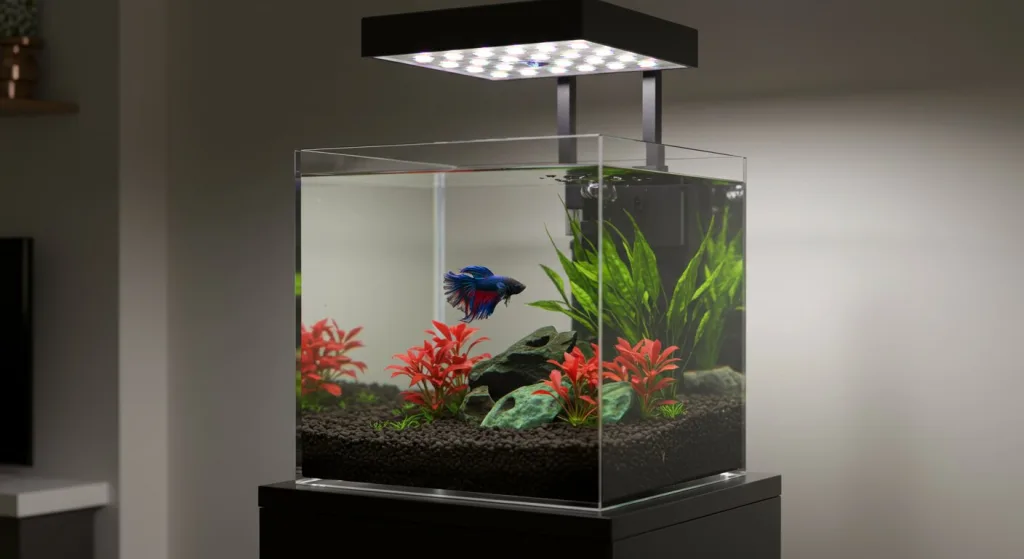
In their natural environments, fish don’t live in constant view. Whether they swim in the rocky rivers of South America, the plant-thick shallows of Southeast Asia, or the cratered lakes of Africa, they’re surrounded by structure: driftwood, caves, leaves, dense vegetation, and rock crevices. These features serve vital biological and behavioural functions. Fish don’t just prefer them—they depend on them.
So, what happens when we remove that structure in a home aquarium?
Without proper hiding places, fish are left exposed. There’s no break in the line of sight between tankmates, no territories to claim, and no safe space to rest. This can lead to chronic stress, where the fish is constantly in a heightened state of alert. The body responds by producing elevated cortisol, a hormone that, over time, suppresses the immune system, damages organs, and leads to erratic or withdrawn behaviour.
You might see signs like:
- Darting or hiding behind equipment
- Reduced appetite
- Washed-out colours
- Increased aggression or fin-nipping
- Failed pair bonding or fry cannibalism
Even in well-maintained tanks with pristine water parameters, these issues can persist if the environment feels unsafe. And it’s not just shy or nocturnal fish that need cover—territorial, social, and even dominant species benefit from having defined zones where they can retreat, reset, or guard their space. A betta needs a quiet cave just as much as a breeding pair of Apistogramma needs a secure spawning site.
For breeders, the implications are significant. Fish that don’t feel safe don’t breed. And when they do spawn, they need guarded space to protect their eggs or fry, especially in tanks where other fish may view those fry as a snack.
Think of it as a vital part of a balanced, biologically informed aquarium. Providing caves and shelters mimics the complexity of the natural world—restoring order, improving health, and reducing aggression.
Which Fish Species Need Hiding Places?
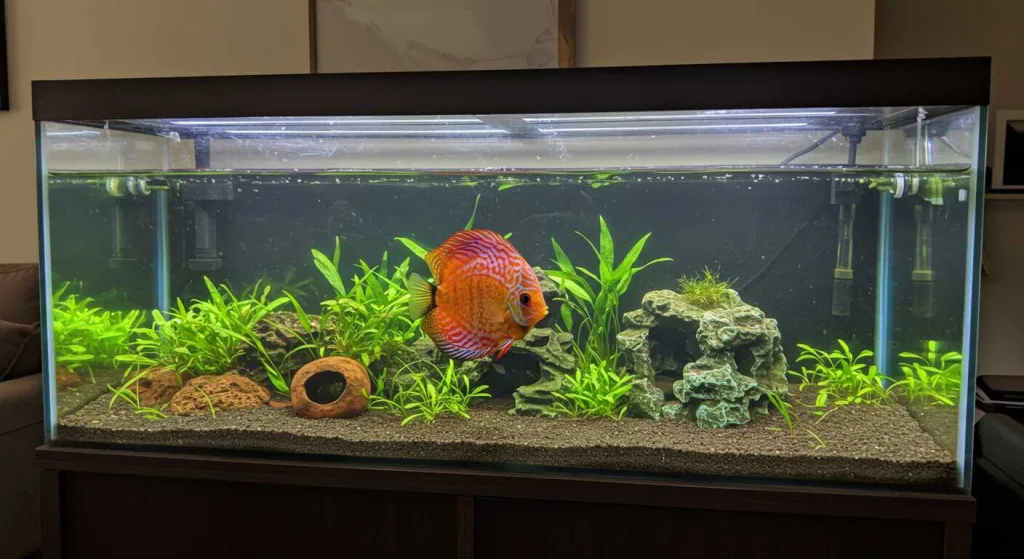
All aquarium fish benefit from hiding spots to some extent, but some species need them for health, territory management, breeding success, and survival. Whether due to natural shyness, nocturnal behaviour, or territorial instinct, these fish need physical structures like caves, driftwood, rock piles, or dense plants to feel safe.
Let’s break it down by behaviour type:
(i) Cave Spawners and Territorial Breeders
Fish like Apistogramma, Kribensis (Pelvicachromis pulcher), German Blue Rams, Convict Cichlids, and many shell dwellers spawn in caves. Without defined, enclosed spaces, they may not breed at all or may abandon eggs quickly due to stress or intrusion from tankmates.
(ii) Bottom Dwellers and Nocturnal Species
Corydoras, plecos, clown loaches, kuhli loaches, otocinclus, and snails/shrimp are all bottom-oriented or nocturnal, meaning they seek dim, safe areas to rest and feed. For these species, caves help regulate stress and provide safe zones during the day or after lights out.
(iii) Shy or Easily Stressed Fish
Even mid- and top dwellers like angelfish, pearl gouramis, tetras, and rasboras can retreat to shaded areas when startled or chased. In community tanks, they’ll use caves or plants as buffer zones to avoid conflict or boisterous tankmates.
(iv) Semi-Aggressive or Territorial Species
Fish like bettas, rainbow sharks, African cichlids, and some gouramis will claim territory and defend it fiercely. Without caves or visual breaks, aggression escalates because there’s no way to establish clear zones. Caves act as dividers, preventing constant confrontation.
(v) Breeding and Fry Protection
When breeding livebearers (like guppies, mollies, and platies) or egg layers, hiding spots are critical for fry survival. They offer refuge from predation—including from adult fish in the same tank—and reduce fry mortality significantly.
In short: if a species hides, burrows, breeds, or is territorial in the wild, it should be given cover in captivity.
Types of Aquarium Caves and Hiding Spots
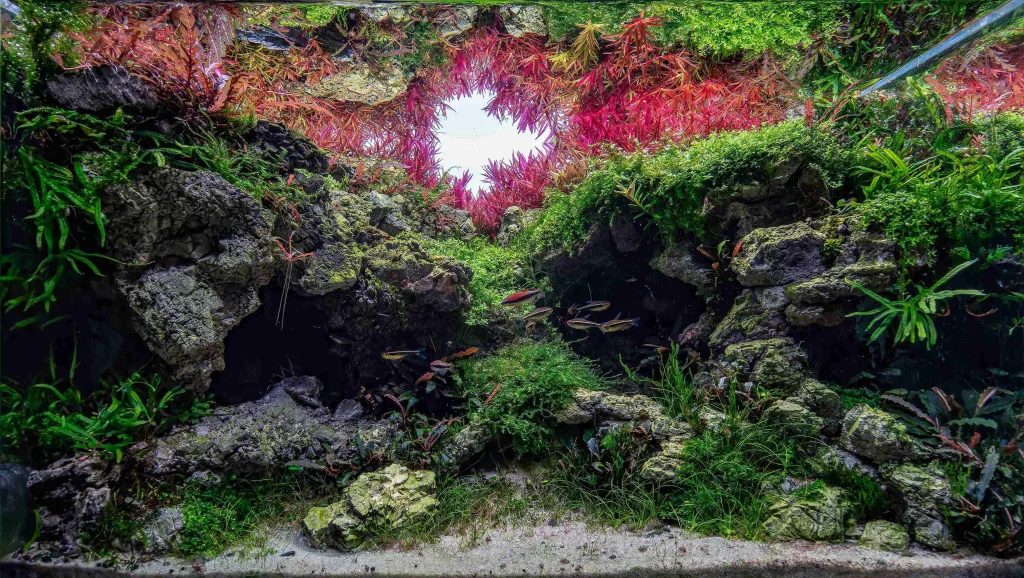
Here are your options, depending on aesthetics and function:
(1) Natural Decor
Looking for a cave that’s both functional and cosy? Natural aquarium décor like driftwood, lava rock, stacked slate, and coconut shells offers the perfect balance. These mimic the environments fish would find in the wild, helping them feel safe and less stressed—especially shy or territorial species.
Driftwood and lava rock can be arranged to create tunnels and crevices for fish to rest or establish territory. Coconut shells, when halved and cleaned, make great little shelters for small fish and invertebrates like shrimp or dwarf cichlids.
Besides providing shelter, these materials promote beneficial biofilm growth, which some fish eat. They’re also great for aquascaping and making your tank look natural. Always ensure your rocks or wood are aquarium-safe and untreated—not all natural decor is suitable straight from nature.
Best for: Natural biotope tanks, shrimp, cichlids, and bottom dwellers.
(2) Artificial Decor
If you want consistency, species-specific design, or easy cleaning, artificial aquarium caves are the way to go. These include resin log caves, ceramic breeding tubes, resin rock formations, and sponge filter hides—each designed for a particular purpose.
Resin caves are often moulded to look like real wood or stone but are lightweight and safe for long-term submersion. Ceramic tubes—especially pleco or shrimp breeding caves—give fish a snug space to spawn or rest. Sponge filters provide both mechanical filtration and shelter, making them great for nano tanks.
The biggest advantage? Many artificial decor options are designed with species behaviour in mind. Plecos, loaches, and catfish love narrow, secure tubes, while larger resin caves suit cichlids and gouramis. Plus, they’re non-toxic and won’t alter your tank’s water chemistry.
Best for: Breeding setups, species-specific tanks, community tanks.
(3) DIY Options
DIY options offer customisation with materials like PVC pipes, terracotta pots, or stacked tiles. These are affordable and can be arranged to suit tank layout or species needs. Ensure all DIY caves are clean, sanded smooth, and aquarium-safe.
Best for: Hobbyists on a budget, experimental setups, creative aquascapes.
Where and How to Place Aquarium Caves
Cave placement isn’t just about looks—it plays a big role in fish behaviour, tank dynamics, and overall wellness. Poorly placed caves can lead to aggression, territorial disputes, or underused hiding spots. Proper placement creates natural territory zones, reduces stress, and ensures each fish species has a safe refuge.
Placing caves near tank corners or shaded areas helps timid or nocturnal fish feel safe. For community tanks, spreading multiple caves evenly can prevent dominant fish from taking over. In breeding tanks, place caves near the substrate and away from high flow to encourage spawning and fry protection.
Best practice: Always observe your fish after repositioning caves. Some species prefer certain locations based on light, flow, or substrate type.
(a) Near Substrate: For Bottom Dwellers and Breeders
Most hiding cave users like plecos, corydoras, loaches, kribensis, and rams are bottom dwellers. That means placement directly on or slightly into the substrate is best.
For breeding species (like bristlenose plecos), caves should be stable, dark, and slightly tilted toward the back to give males a safe entrance to guard eggs. Coconut caves or ceramic tubes work well here and should be nestled into the substrate for realism and extra stability.
(b) Near Hardscape: Integration with Rocks, Driftwood, and Plants
For a seamless aquascape, try integrating caves into your hardscape. Place caves under or between driftwood branches, stacked rocks, or dense plant clusters. This creates multi-layered environments and encourages natural exploration.
Add Java fern, Anubias, or Bucephalandra to the caves for extra shade. Ensure everything is secure—no loose rocks or sharp edges that could collapse or harm fish.
How to Prevent Aggressive, Territorial Conflicts in Your Aquarium
For aquariums with semi-aggressive or territorial fish (like cichlids or gouramis), spacing caves across different corners is crucial. Place shelters on opposite ends or corners to create clear territory demarcations.
Use visual barriers like plants, driftwood, or background structures to block the line of sight between caves. This reduces chasing and reinforces perceived territorial boundaries.
General rule: Provide more caves than you have territorial fish, spaced far enough apart not to overlap. For schooling fish, a single shared cave in a low-traffic corner may suffice.
Even in luxury setups, stress-free fish behaviour and natural movement often come down to the right cave in the right spot. Thoughtful cave placement turns a beautiful aquarium into a thriving underwater world.
FAQs About Hiding Spots for Shy Fish
How many hiding spots do I need?
A good rule: one cave per fish, plus extras. For aggressive species or breeding groups, provide twice as many hiding spots as fish.
Do hiding spots help breeding?
Yes. Caves encourage egg laying, pair bonding, and parenting. They provide security during spawning and help males guard fry.
Can aquarium caves prevent bullying and tank aggression?
Yes. Visual barriers help subordinate fish avoid direct conflict. Dominant males will claim a space and leave others alone if they have their own.
What kind of aquarium material should I use or avoid?
Use aquarium-safe ceramic, fish-safe resin, untreated wood, or rock. Avoid metal, painted items, or anything that leaches chemicals.
How do I clean and maintain cave décor?
Rinse caves during water changes. If fish are breeding inside, wait until they’re done. Never use soap. Use a turkey baster or siphon to remove debris.
When is too much shelter a problem for shy fish?
Too much shelter can make fish overly reclusive. If they never come out, reduce clutter or use semi-open hides. Aim for balance, enough shelter to reduce stress, but still encourage exploration.