



pH Control
pH control for aquariums is essential for fish health. Our pH buffers and stabilizers help you adjust and maintain ideal acidity levels effortlessly. Keep your aquatic environment perfectly balanced.
Showing the single result
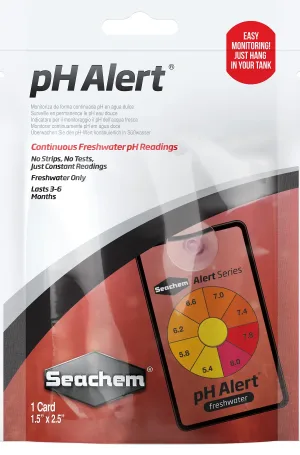
Showing the single result
Find the Best pH Control for Your Fish Tank
pH control is the foundation of successful aquarium maintenance, as it directly influences your fish’s well-being and plant development. Our expertly chosen range of pH buffers, pH stabilizers, and pH monitoring solutions ensures your aquatic environment maintains the ideal acidity levels with professional precision.
These products serve several critical functions in aquarium maintenance. pH adjusters remedy sudden fluctuations that stress or harm fish, and pH stabilizers encourage stable levels on long-term use. Precise monitoring products like the Seachem pH Alert provide constant visual feedback with less testing frequency.
Whether you are keeping a planted tank or sensitive species, proper Aquarium pH control prevents common issues like fin rot and dull coloration.
Picking the right pH tools depends on your tank. What kind of setup do you have, and how stable your water is already? Look for products that adjust pH gradually with no big swings. Sudden changes can do more harm than a pH that’s slightly off. Ideally, you want a system that combines a pH Alert to monitor and then a reliable buffer to make gentle corrections. And always use products made specifically for aquariums. Fish and aquatic plants are more sensitive than they look, and these formulas are built with that in mind.
One mistake you can make is trying to fix pH too fast. Don’t. Stick to changes of no more than 0.2 pH units per day. And never start making big adjustments in a tank full of fish unless you’re tracking every move; use a quarantine tank if needed. Also, don’t just dump chemicals without understanding your water’s buffering capacity. That’s how you end up with wild swings that are worse than the original problem. Regular water changes with conditioned water often do more for stable pH than a cabinet full of treatments.
Consistent pH control is the foundation of any thriving tank. It keeps bacteria balanced, plants growing strong, and your fish looking their best. So check out our collection of trusted, professional-grade pH tools from brands like Seachem and find the setup that helps your aquarium life truly flourish.
FAQs About Aquarium PH Controls
(1) How do I control the pH in my aquarium?
Use a combination of pH monitoring systems, like Seachem pH Alert for continuous monitoring, and pH adjusters or buffers for subtle correction. Always make corrections slowly over a period of days to avoid shocking your fish.
(2) What is the best aquarium pH reducer?
Commercial aquarium pH reducers are safest as they keep the sensitivity of fish in mind. Look for products that provide gradual adjustment rather than rapid change, and always choose aquarium products over household products.
(3) What does a pH controller do in an aquarium?
A pH controller will continuously monitor and adjust the acidity levels of your water automatically to keep things stable. Electronic controllers are convenient and accurate, but manual monitoring devices such as pH Alert give good visual feedback for the more hands-on aquarist.
(4) Why is controlling pH necessary in an aquarium?
Ideal pH has a direct influence on fish health, the immune system, and breeding success. A changing pH can cause fin rot, stress, and mortality in sensitive species like discus and angelfish, so constant monitoring is the secret to long-term success.
(5) Why does the pH rise or fall in an aquarium?
pH will automatically fluctuate due to fish waste, plant photosynthesis, CO2 content, and water changes. Decaying organic matter will tend to lower pH, and intense aeration and certain substrates will raise it, so special buffers or stabilizers will be required to stabilize it.
(6) How do I reduce pH in my aquarium without using harsh chemicals?
Natural methods include adding driftwood, almond leaves, or peat filtration for a gradual pH reduction. These methods are slow-acting, however, and may not provide the degree of accuracy that sensitive fish require; therefore, commercial pH products that are gentle are more reliable for getting consistent results.
(7) What pH range is best for most freshwater aquariums?
The majority of community fish thrive in pH 6.5-7.5, but research the needs of your species. Stability is more important than ideal numbers—constant pH prevents more problems than frequent changes, so test equipment is essential for any serious aquarist.