



Reverse Osmosis
Showing all 20 results
Showing all 20 results
Get Reverse Osmosis Systems for your Aquarium
Aquarium reverse osmosis systems remove chlorine, heavy metals, and dissolved minerals from your tap water before it enters your tank. These filtration units force water through a semi-permeable membrane that blocks contaminants while letting pure water pass through. You get clean water that gives you complete control over your aquarium’s chemistry, leading to healthier fish and better plant growth.
You can use RO systems primarily for creating specific water conditions and mixing saltwater. If you keep discus, you can use it to prevent disease outbreaks that happen in mineral-heavy water. Reef tank owners rely on consistent water for coral health and growth. You can also use these systems for topping off evaporation and diluting overly hard tap water. Many breeders depend on RO water for breeding sensitive species like crystal shrimp and rare cichlids.
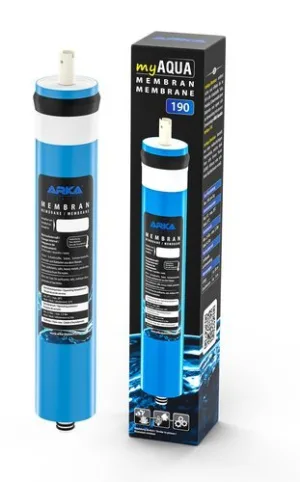
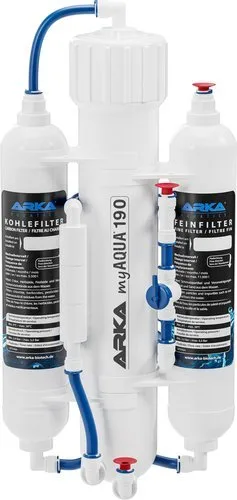
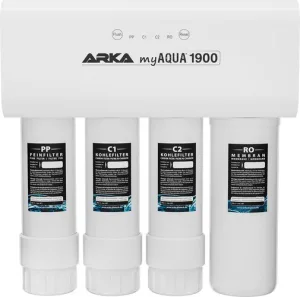
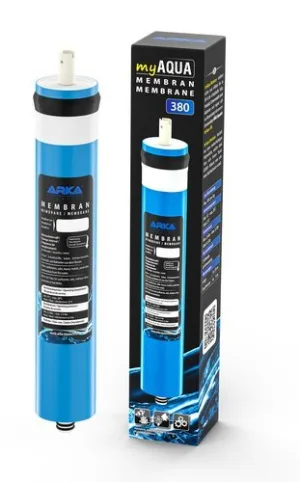
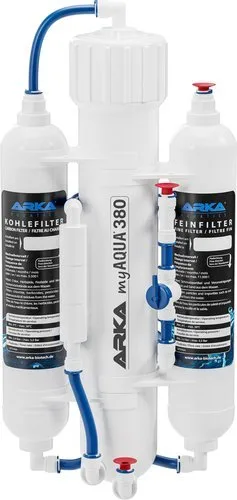
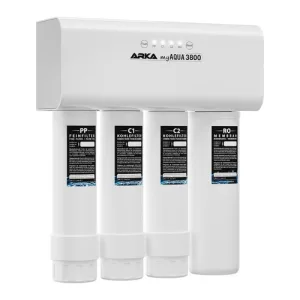
When choosing a reverse osmosis system, you need to calculate your daily water needs based on tank size and maintenance schedule. If you have smaller community tanks, the ARKA myAqua190 produces 190 liters per day for most hobbyist needs. Medium setups benefit from the myAqua380 system at 380 liters daily, while large installations require the myAqua1900 system, producing 1900 liters per day. You should also look for multi-stage systems with quality membranes and comprehensive replacement parts availability.
Proper use of RO water requires some helpful practices. First, you should never rush the setup process when you first install an RO system, as new membranes need thorough flushing to remove manufacturing residues that could harm your fish. Test your output water regularly with a TDS meter and replace membranes when readings start climbing above acceptable levels. Also, you should store your pure water in food-grade containers, but don’t let it sit around for weeks because it can develop bacterial growth. Additionally, most freshwater fish need some minerals, so you have to remineralize pure RO water before using it.
Pure water gives you control over your aquarium’s long-term success. You can eliminate guesswork from water preparation while protecting your valuable livestock investment. You can check out our complete aquarium reverse osmosis systems selection to find the right match for your setup.
FAQs About Reverse Osmosis In Aquariums
(1) Is reverse osmosis good for my aquarium?
Yes, reverse osmosis is ideal for your aquarium because it gives you complete control of your water chemistry. They remove chlorine, heavy metals, and dissolved minerals, which can stress your fish or cause algae problems. You can then re-add just the minerals your specific fish and plants need, thereby ensuring optimum conditions for your sensitive species.
(2) Can my fish survive in RO water?
Most fish cannot live in RO water long-term due to the fact that it contains no essential minerals that they require, but you can easily remineralize RO water to suit your fish’s needs. Saltwater aquarists use RO water by mixing it with a quality salt mix, while freshwater keepers blend mineral supplements to achieve the appropriate hardness and pH levels.
(3) Which water is best for my aquarium?
The best water depends on your fish type and the goals of your aquarium. Tap water will suffice for hardy community fish, provided it is not heavily chlorinated. RO water is most suited for sensitive species, breeding programs, and saltwater tanks because you control exactly what goes into your aquarium. To obtain desired parameters, many aquarists use tap water mixed with RO.
(4) Will bacteria grow in a tank of RO water?
Yes, bacteria can grow in stored RO water because the lack of chlorine removes the disinfectant that otherwise would inhibit bacterial growth. Use RO water within 2-3 days of preparation and store it in clean, covered containers. Some aquarists use a small powerhead or air stone to circulate stored RO water, which discourages bacterial growth.
(5) What is the difference between RO and RODI?
RO (Reverse Osmosis) systems remove most of the contaminants using membrane filtration, but may leave behind residual dissolved solids. RODI (reverse osmosis deionized) systems, on the other hand, add a deionization step that uses resin filters to remove virtually all of the remaining dissolved minerals, leaving near-zero TDS readings. RODI is applied for sensitive marine corals and breeding purposes where ultra-pure water is paramount.
(6) How do I test RO water for my aquarium?
Use an RO water TDS meter to test your RO water quality. Healthy RO water should read between 0-10 ppm TDS. You should also test both your source tap water and your RO output to keep tabs on membrane efficiency. You will want to check pH too, since RO water is typically acidic and will need to be buffered before use within your aquarium.
(7) Can I use RO water in my saltwater aquarium?
Yes! RO water is ideal for use in saltwater aquariums. Use RO water mixed with high-quality marine salt to create the right salinity without contamination from minerals present in tap water. This provides stable water parameters and helps to prevent the accumulation of harmful chemicals that can affect sensitive corals and marine fish in the long run.