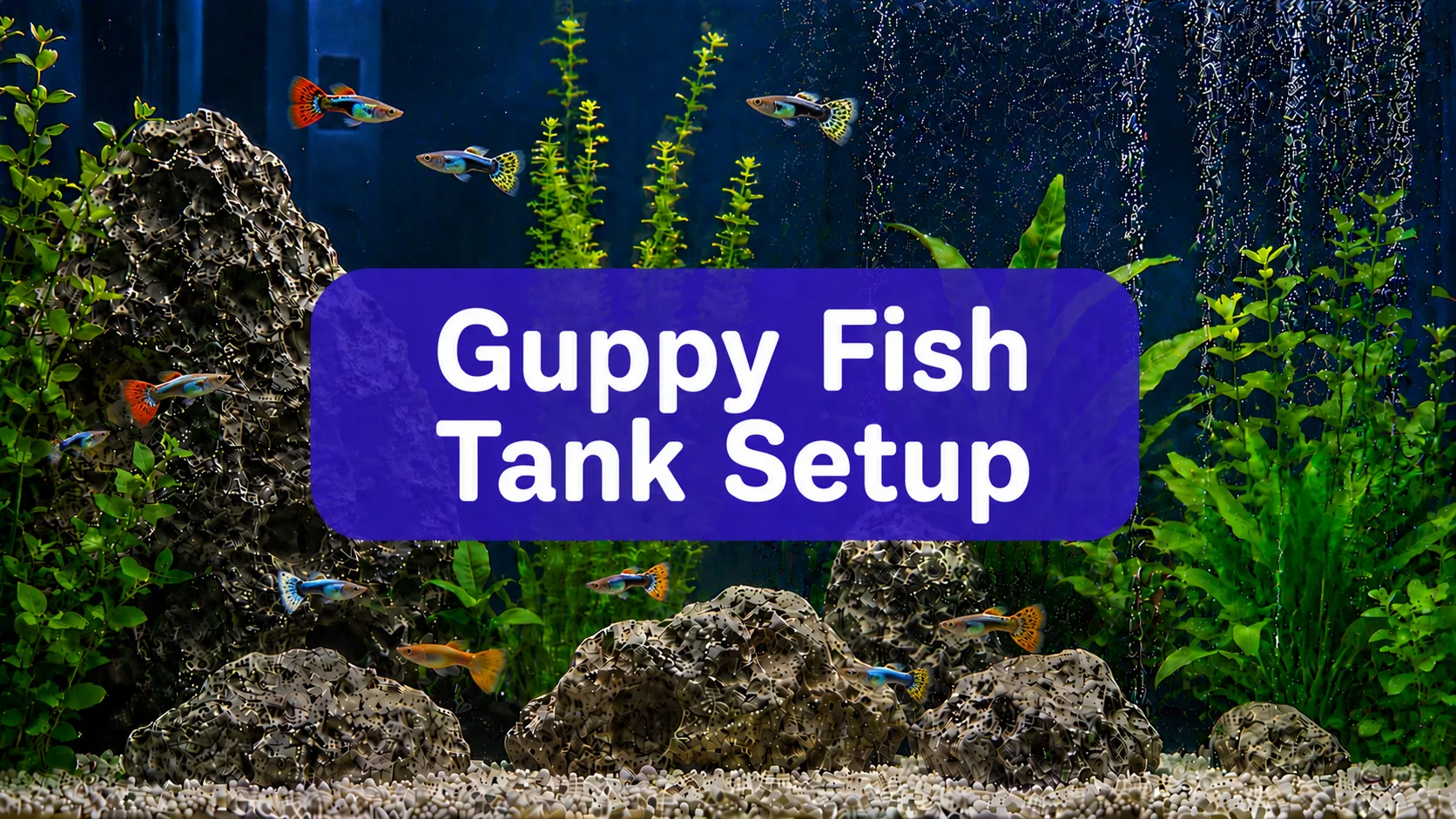
So you want to keep guppies. That is a great choice. Guppies are some of the most colorful and fun fish you can get. They are small, active, and full of personality. Their bright colors and flowing tails can turn any room into something special. The best part about guppies is that they are perfect for beginners. They are hardy fish that can handle small mistakes. They do not need super fancy equipment. And they are easy to find at any pet store. But even easy fish need a good home. Setting up their tank the right way from the start will save you a lot of trouble later.
This guide will walk you through everything you need to know. We will talk about tank size, equipment, water, decorations, and how to bring your fish home. By the end, you will feel ready to set up your very own guppy tank. Let us get started.
Choosing the Right Tank Size
The first and most important choice is the tank size. Many beginners think small tanks are easier. But that is actually not true. Small tanks have less water, so the water gets dirty faster. The temperature changes more quickly too. Bigger tanks are more stable and easier to keep healthy.
For guppies, a 10-gallon tank is the best starting point for most beginners. It is big enough to keep the water stable. It is affordable and easy to find. And it gives your guppies room to swim and explore. A 10-gallon tank can hold about 5 to 6 guppies comfortably.
If you can go bigger, that is even better. A 20-gallon tank gives you more room for more fish. It also stays cleaner for longer. Guppies are active swimmers, so they like long tanks more than tall ones. A rectangular tank gives them more space to swim back and forth. And do not forget a lid. Guppies can jump, and a lid keeps them safe inside.
Essential Equipment You Will Need
Before you add water, you need to gather your equipment. Here is what every guppy tank needs.
Filter
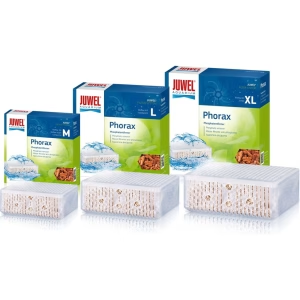
A filter keeps the water clean by removing waste and toxins. For guppies, a sponge filter is a great choice. It creates gentle water flow, which guppies like. Sponge filters are also safe for baby guppies because they will not get sucked in. Hang-on-back filters work well too. Just make sure the water flow is not too strong. Choose a filter rated for your tank size or bigger.
Heater
Guppies are tropical fish. They need warm water to stay healthy. A heater keeps the water at a steady temperature. The ideal temperature for guppies is between 74°F and 82°F (about 24°C to 28°C). Get a submersible heater with an adjustable thermostat. A good rule is 5 watts of heater power for every gallon of water. Always use a thermometer to check the temperature.
Light
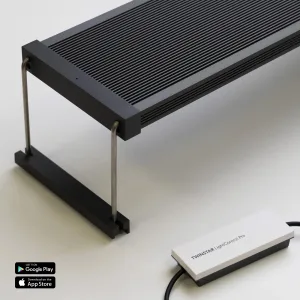
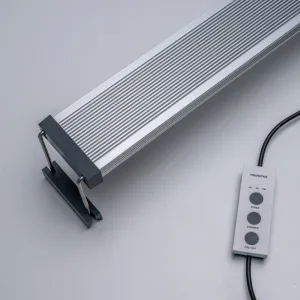
Guppies do not need super bright lights. But they do need a regular day and night cycle. LED lights are a good choice. They are energy efficient and make your guppies’ colors pop. Aim for about 8 to 10 hours of light each day. Too much light can cause algae to grow. A timer can help you keep the light schedule consistent.
Test Kit
You will need a water test kit to check your water quality. Test kits measure things like pH, ammonia, nitrite, and nitrate. These are important for keeping your fish healthy. Liquid test kits are more accurate than test strips.
Choosing the Right Substrate
Substrate is the material that goes on the bottom of the tank. It is not just for looks. Substrate gives your plants a place to grow. It also holds good bacteria that help clean the water.
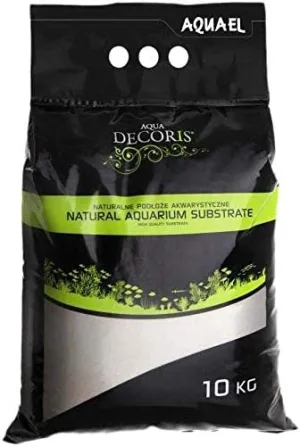
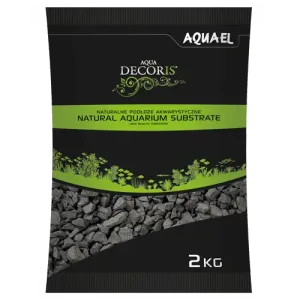
For guppies, fine gravel is a popular and practical choice. It is easy to clean and comes in many colors. Aquarium sand is another good option. It looks natural and is safe for fish. Just avoid sharp gravel that could hurt your guppies’ delicate fins.
Dark-colored substrates can make your guppies’ colors look brighter. Natural colors like brown, black, or tan look more like their natural habitat. Avoid bright, unnatural colors if you want a more natural look. You will need about 1 pound of substrate for every gallon of water. Rinse the substrate before you put it in the tank. This removes dust and dirt.
Adding Plants and Decorations
Plants and decorations make your tank look great. But they do more than that. They give your guppies places to hide and explore. This helps them feel safe and reduces stress.
Live Plants. Live plants are wonderful for guppy tanks. They help keep the water clean by absorbing fish waste. They also add oxygen to the water. And they give baby guppies a place to hide from adults. Some great beginner plants are:
- Java Moss. This is a classic guppy plant. It grows easily and gives fry a safe hiding spot.
- Anubias. This plant is almost impossible to kill. You can attach it to rocks or driftwood.
- Hornwort. This grows fast and provides great cover for fish.
- Amazon Sword. This makes a nice background plant.
- Guppy Grass. As the name suggests, guppies love this plant.
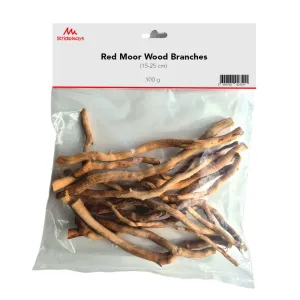
Decorations. You can add rocks, driftwood, and caves to your tank. These give your guppies places to explore and hide. Make sure any decorations are safe for aquariums. Avoid anything with sharp edges that could tear your guppies’ fins. Driftwood and natural-looking rocks are great choices.
Floating Plants. Floating plants like water lettuce or frogbit are also great. They provide shade and hiding spots for fry. They also help absorb excess nutrients from the water.
Setting Up the Tank Step by Step
Now it is time to put everything together. Follow these steps in order.
Step 1: Place Your Tank. Put your tank on a sturdy, level stand. Make sure it can hold the weight of a full tank. Water is heavy. A 10-gallon tank weighs over 80 pounds when full.
Step 2: Add Substrate. Put your rinsed substrate in the bottom of the tank. Spread it evenly. A depth of about 1 to 2 inches is good.
Step 3: Add Decorations. Place your rocks, driftwood, and other decorations. Arrange them in a way that looks nice but also leaves open swimming space. Guppies like both open areas and hiding spots.
Step 4: Install Equipment. Set up your filter and heater. Follow the instructions that came with them. Place the heater near the filter so the heat spreads evenly. Do not plug anything in yet.
Step 5: Add Water. Fill the tank with water. Use a dechlorinator to remove chlorine and other harmful chemicals from tap water. You can place a plate or bowl on the substrate and pour water onto it. This keeps the water from disturbing your decorations.
Step 6: Turn on Equipment. Plug in your filter and heater. Set the heater to the right temperature. Let the tank run for a few hours so the water reaches the right temperature.
Step 7: Cycle the Tank. This is the most important step. And it is the step many beginners skip. Cycling means growing good bacteria in your filter. These bacteria turn toxic fish waste into safer substances.
To cycle your tank, you need to add an ammonia source. You can add a small pinch of fish food every day. As the food breaks down, it creates ammonia. The good bacteria will start to grow. This process takes about 4 to 6 weeks. During this time, test your water regularly. You will see ammonia go up, then nitrite go up, then nitrate go up. When ammonia and nitrite are zero, your tank is cycled and ready for fish.
Do not add fish during the cycling process. The toxins can hurt or kill them. Be patient. This waiting period is very important for your fish’s health.
Water Parameters for Healthy Guppies
Guppies like specific water conditions. Here is what to aim for.
- Temperature. Keep the water between 74°F and 82°F (24°C to 28°C). A stable temperature is more important than the exact number. Sudden changes stress fish out.
- pH Level. The pH measures how acidic or basic the water is. Guppies like a pH between 6.8 and 7.8. This is slightly alkaline. Most tap water is in this range.
- Water Hardness. Guppies like hard water. Hard water has more minerals. The ideal hardness is 8 to 12 dGH. If your water is soft, you can add aquarium salts to increase hardness.
- Ammonia and Nitrite. These should always be zero. If you see ammonia or nitrite, something is wrong. Your tank may not be fully cycled. Or you may have too many fish.
- Nitrate. Nitrate should be kept below 20 ppm. Regular water changes help keep nitrate low.
Test your water regularly, especially in the first few months. This helps you catch problems early.
Choosing Your Guppies
Once your tank is cycled, it is time to get your fish. Here is how to choose healthy guppies.
Look for Active Fish. Healthy guppies swim around and explore. They should not sit at the bottom or hide all the time.
Check Their Appearance. Look for bright, clear colors. Their eyes should be clear, not cloudy. Their fins should be whole, not torn or ragged. Their scales should be smooth and free of spots or bumps.
Avoid Sick-Looking Fish. Stay away from fish that seem lethargic. Avoid fish with clamped fins (fins held close to the body). Do not buy fish with white spots or fuzzy patches. These are signs of disease.
Pick the Right Mix. Guppies are social fish. They should be kept in groups of three or more. If you keep males and females together, they will breed. A lot. If you do not want babies, keep only males. If you want to breed, keep two or three females for every male.
Think About Tank Mates. Guppies are peaceful fish. They do well with other peaceful fish. Good tank mates include mollies, platies, tetras, and cory catfish. Avoid aggressive fish like barbs or cichlids. They will nip at your guppies’ beautiful fins.
Bringing Your Fish Home
The trip home can be stressful for fish. Here is how to make it easier.
Keep Them Dark. Fish feel safer in the dark. Put their bag in a paper bag or box. This reduces stress during the trip.
Acclimate Them Slowly. When you get home, do not just dump the fish in. Float the closed bag in your tank for about 15 minutes. This lets the water temperatures match. Then, open the bag and add a little tank water every few minutes. After about 30 to 45 minutes, you can gently release the fish into the tank. Do not pour the bag water into your tank. It could contain waste or disease.
Give Them Time. New fish may hide at first. This is normal. Give them a day or two to adjust. Keep the lights off for the first few hours to help them feel safe.
Feeding Your Guppies
Guppies are not picky eaters. They will eat almost anything. But they still need a good diet.
Staple Food. High-quality flake food made for tropical fish is a good base diet. Look for flakes that list real ingredients, not just fillers.
Variety. Guppies do best with a varied diet. You can supplement their flakes with frozen or freeze-dried foods. Brine shrimp, bloodworms, and daphnia are all good treats. Thaw frozen food before feeding.
How Much to Feed. Guppies have tiny stomachs. Feed them only as much as they can eat in about one minute. Feed them once or twice a day. Overfeeding is a common mistake. Extra food rots in the water and makes it dirty.
Watch for Begging. Guppies are famous beggars. They will act hungry even when they are not. Do not give in. Stick to your feeding schedule.
Regular Tank Maintenance
Keeping your tank clean is not hard. But you do need to be consistent. A little work each week prevents big problems later.
Weekly Water Changes. Change about 20% to 25% of the water every week. Use a siphon or gravel vacuum to remove water and clean the substrate at the same time. This removes waste that has settled on the bottom. Add new water that has been treated with dechlorinator.
Clean the Filter. Clean your filter media every few weeks. But do not clean it too well. The brown stuff in your filter is the good bacteria that keep your water safe. Rinse the filter media in tank water you have removed. Never use tap water. The chlorine will kill your good bacteria.
Wipe the Glass. Algae may grow on the glass. You can wipe it off with an aquarium-safe scraper or sponge.
Test the Water. Test your water weekly for the first few months. Once your tank is stable, you can test less often. But always test if your fish seem sick or stressed.
Common Mistakes to Avoid
- Even easy fish can have problems. Here are some mistakes beginners often make.
- Tank Too Small. This is the number one mistake. A small tank is harder to keep stable. Start with at least 10 gallons.
- Skipping the Cycle. Adding fish to an uncycled tank is dangerous. The waste builds up and poisons the fish. Be patient and cycle your tank first.
- Overfeeding. Too much food makes the water dirty. Feed small amounts. Your guppies will be fine.
- Overcrowding. Too many fish in one tank creates too much waste. Follow the rule of one gallon per inch of fish. A 10-gallon tank can hold about 5 to 6 guppies.
- Not Doing Water Changes. Skipping water changes lets toxins build up. Even if the water looks clear, it can still be dirty. Regular water changes are essential.
- Strong Water Flow. Guppies, especially the long-finned ones, do not like strong currents. Choose a gentle filter and adjust the flow if needed.
Conclusion
Setting up a guppy tank is a fun and rewarding project. It takes some planning and patience. But the result is a beautiful, lively aquarium that will bring you joy every day. Remember the basics. Start with a 10-gallon tank or larger. Get a good filter and heater. Cycle your tank before adding fish. Choose healthy guppies and feed them well. Do regular water changes. Avoid overfeeding and overcrowding.
Guppies are amazing fish. They are colorful, active, and full of personality. With the right setup, they will thrive and show off their best colors. They might even give you babies if you keep both males and females. Take your time and enjoy the process. Every aquarium is unique. You will learn as you go. And your guppies will reward you with their beauty and energy for years to come. Good luck with your new guppy tank. You have got this.