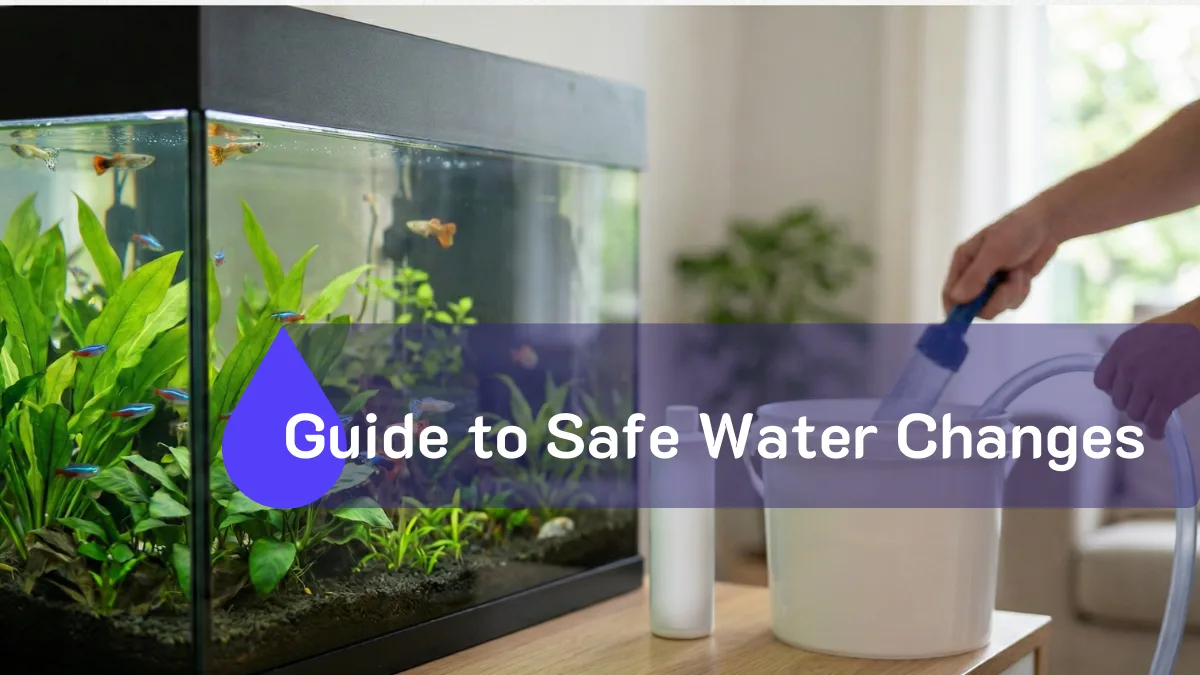
There is nothing quite like the peace of watching your fish glide through crystal-clear water. But for many aquarium hobbyists, “Water Change Day” comes with a hidden layer of anxiety. We’ve all been there: you do a partial water change to keep the tank clean, only to notice your fish looking lethargic, gasping at the surface, or showing signs of stress shortly after.
The culprit? It’s often not the water change itself, but what is inside your tap water.
At Bluviva, we believe that maintaining a thriving aquatic ecosystem shouldn’t require a chemistry degree or a massive dent in your wallet. Here is everything you need to know about the link between water quality and fish disease, and how to prevent it on a budget.
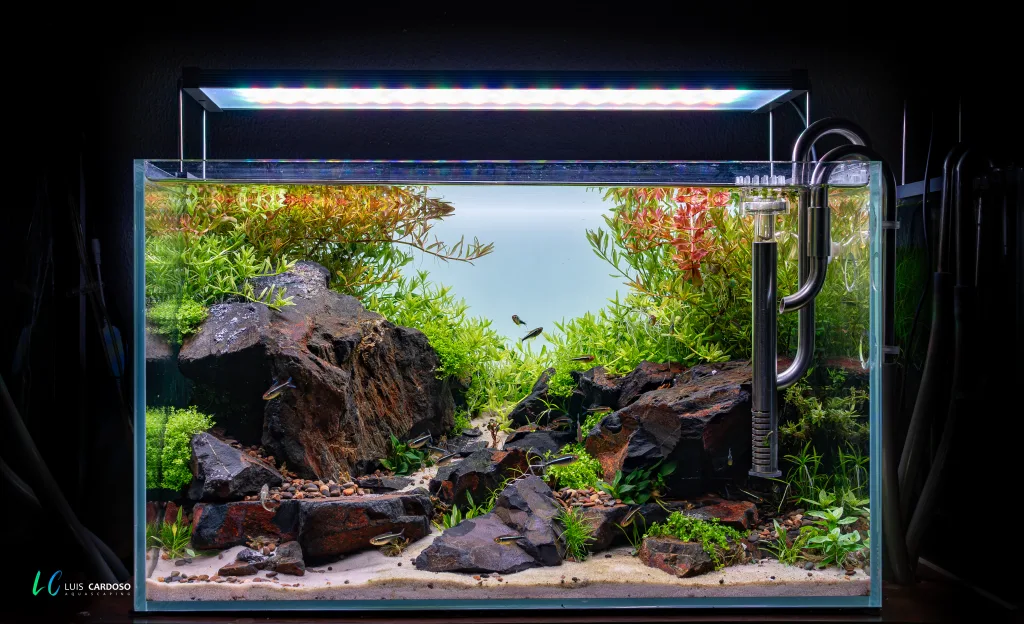
The “Clean Water” Paradox
We think of tap water as pure. After all, we drink it every day. But for a fish, swimming in untreated tap water is like a human trying to breathe in a room filled with smoke.
Municipalities treat our water with chlorine and chloramine to kill bacteria. While this keeps us safe, it is devastating for aquatic life. When Sarah added untreated water to her tank, two things happened:
- Chemical Burns: The chlorine began to irritate her fish’s gills, making it harder for them to breathe.
- The Invisible Crash: The chlorine wiped out the “good bacteria” in her filter. Without those bacteria, toxic ammonia levels spiked, leaving her fish’s immune systems wide open to disease.
The Budget-Conscious Solution
Sarah was worried that making her water “safe” would mean buying expensive laboratory equipment or pricey additives. She asked the question every smart hobbyist asks: “Which conditioner removes chlorine without breaking the bank?”
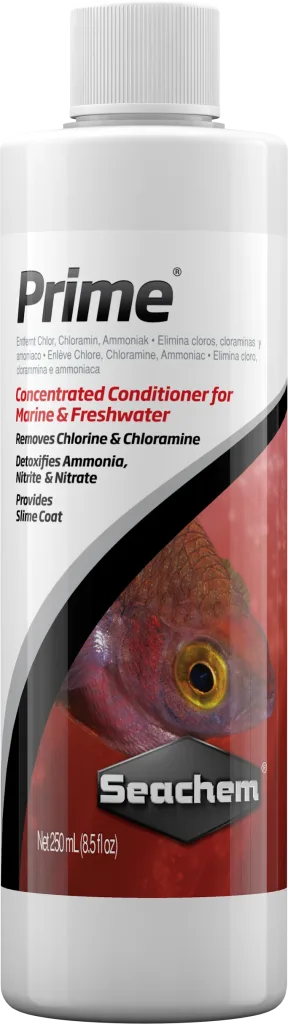
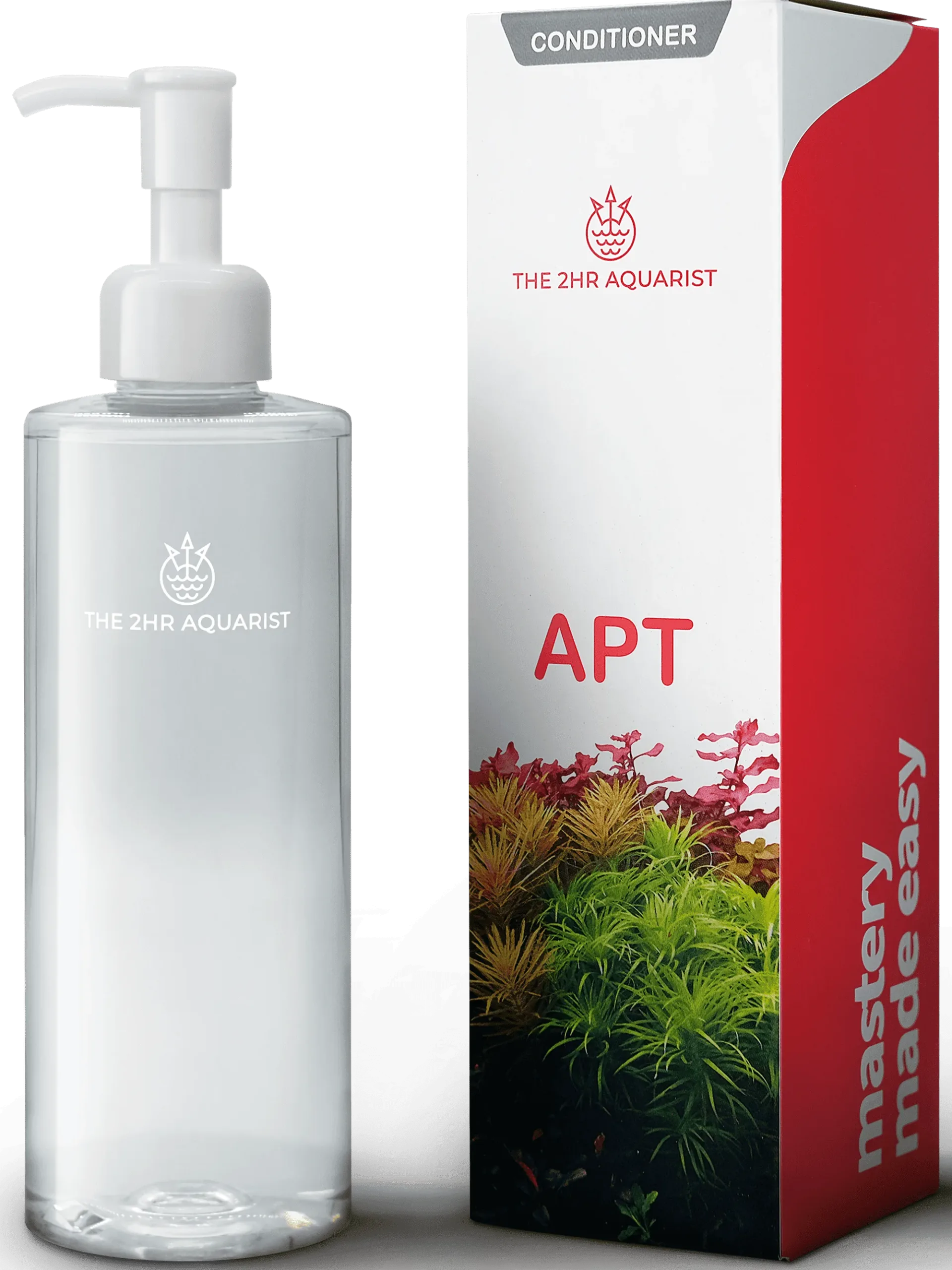
The truth? You don’t need a massive budget; you just need a smart strategy.
Pro Tip: Many beginners try to “age” their water by letting it sit out for 24 hours. While this removes chlorine, it does not remove chloramine, which is increasingly common in city water. A concentrated, affordable water conditioner is the only 100% safe bet.
How to Prevent Disease During Water Changes
Prevention isn’t just better than a cure, it’s significantly cheaper. Treating a tank for Ich or Fungus costs far more in medicine and lost fish than a single bottle of conditioner.
Here is the simple, budget-friendly routine Sarah adopted to save her tank:
| Step | Action | Why it Matters |
| 1 | Temperature Match | Prevents “Thermal Shock” which weakens the immune system. |
| 2 | The Bucket Method | Add your chlorine remover to the bucket before pouring it into the tank. |
| 3 | Dose Correctly | Modern conditioners are highly concentrated. A little goes a long way, saving you money! |
A Happy Ending for Sarah (and Her Fish)
Once Sarah switched to a reliable, cost-effective water conditioner from Bluviva, the cycle of disease snapped. Her tetras stayed vibrant, her “good bacteria” stayed alive, and “Water Change Day” went from a stressful chore to a peaceful ritual.
The link between water quality and fish disease is clear: Unconditioned water equals stressed fish. By neutralizing toxins instantly, you aren’t just cleaning the tank, you’re building a fortress for your fish’s health.
Keep Your Tank Safe without Breaking the Bank
Don’t let the fear of chemicals or the cost of maintenance stop you from enjoying your hobby. You can have professional-grade water quality on a hobbyist’s budget.