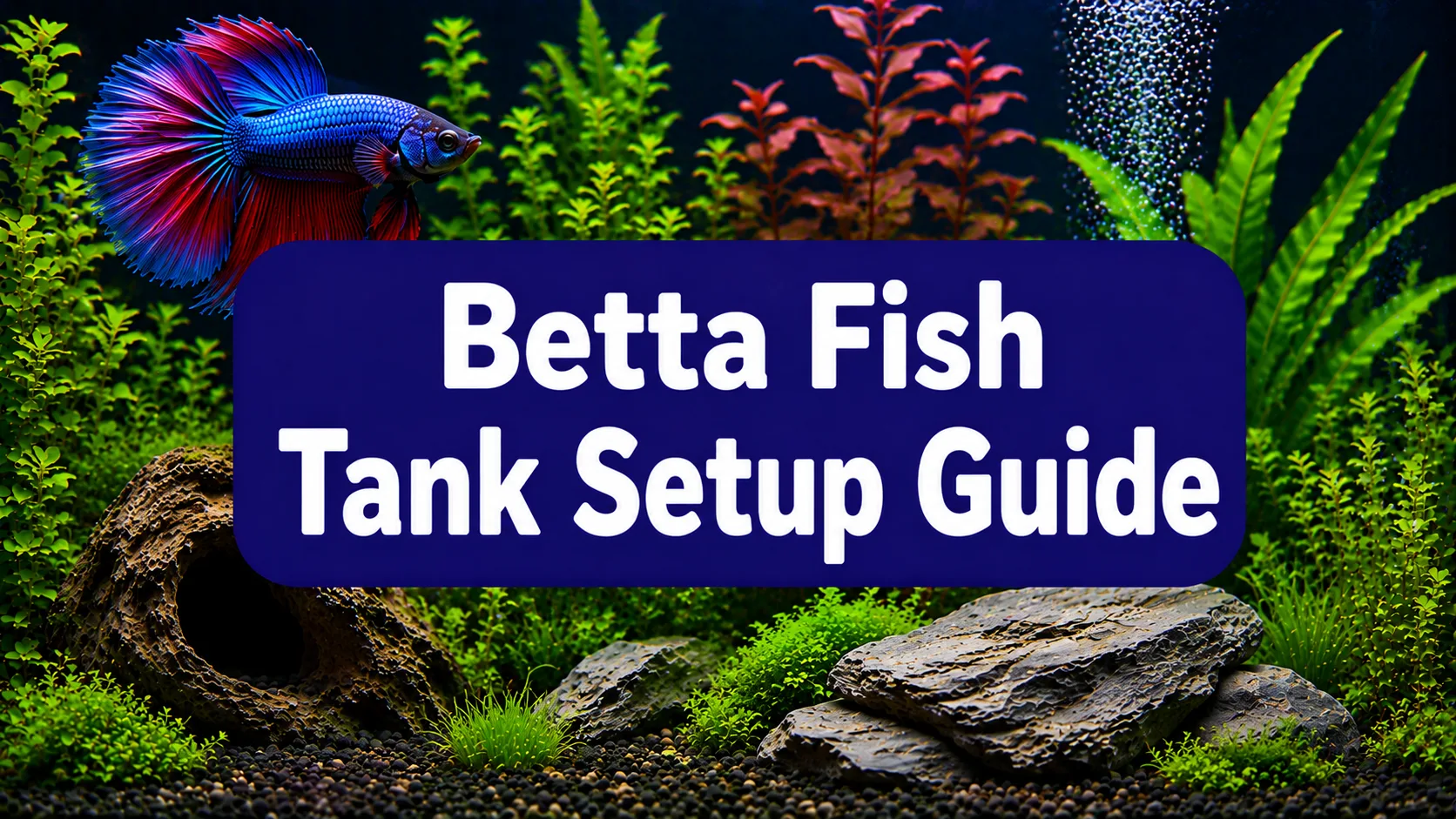
Bringing home a betta fish is an exciting moment. These beautiful fish with their flowing fins and big personalities can make wonderful pets. But before you bring your new friend home, you need to get their home ready first. A proper betta fish tank setup is the most important thing you can do for your fish. It is the difference between a fish that just survives and one that truly thrives. This guide will walk you through everything you need to know to create the perfect home for your betta. We will cover the equipment you need, how to set everything up, how long to wait before adding your fish, and all the little details that make a big difference.
Whether this is your first fish or you have kept bettas before, this guide will give you clear steps to follow. Let us get started on setting up your betta’s dream aquarium.
Why a Proper Betta Tank Setup Matters
Many people think betta fish can live in tiny bowls or small cups. You might have seen them sold this way in pet stores. But this is not a healthy way for them to live. Bettas are tropical fish that come from warm, shallow waters in Southeast Asia. They need space to swim, warm water to stay healthy, and clean water to breathe. A proper betta fish tank setup gives your fish everything they need to live a long and happy life. Without the right setup, your betta can become stressed, get sick, and die much too young. The good news is that setting up a proper tank is not hard. It just takes some planning and a little patience. When you do it right, you will get to watch your betta explore, play, and show off their beautiful colours. That is the reward for doing things the right way.
How Long Should You Wait to Put a Betta Fish in a Tank?
This is one of the most common questions new betta owners ask. The short answer is: you should wait at least 24 to 48 hours, but ideally several weeks. Let me explain why.
When you set up a new tank, the water is clean, but it is not safe for fish yet. New tap water has chemicals like chlorine that can hurt your fish. More importantly, a new tank does not have the good bacteria that break down fish waste. Fish produce waste that turns into ammonia, which is very toxic. In a healthy tank, special bacteria grow and turn this ammonia into less harmful substances. This process is called “cycling” the tank. It takes time for these bacteria to grow. It usually takes about 2 to 8 weeks for a tank to cycle fully. During this time, you need to test the water to make sure the bacteria are growing properly.
You can speed things up with products that add good bacteria to the water. Even with these products, it is still smart to wait at least 24 to 48 hours after setting up the tank before adding your fish. This gives the water time to reach the right temperature and lets the water conditioner do its job. The most important thing is patience. Rushing the process can make your fish sick or even kill them. A fully cycled tank is the foundation of a healthy betta. So wait, test your water, and only add your fish when the water is safe.
What Does a Betta Fish Need in a Tank?
A betta fish needs several key things to be healthy and happy. Let us go through the essential equipment and supplies you will need for your betta fish tank setup.
The Tank Itself: Your betta needs a tank that is at least 5 gallons (about 19 litres). Bigger is even better. A 10-gallon (38-litre) tank gives your fish more room to swim and makes it easier to keep the water clean. Avoid small bowls or tanks under 2.5 gallons (9.5 litres). They are too small and get dirty very quickly. Choose a tank that is longer rather than tall. Bettas like to swim side to side, not up and down. Make sure your tank has a lid. Bettas can jump, and a lid will keep them safe inside.
A Heater: Bettas are tropical fish. They need warm water between 76 and 82 degrees Fahrenheit (24–28°C). A heater is not optional. It is a must-have. Without a heater, the water will be too cold, and your betta will get sick. Get a small heater that fits your tank size and a thermometer to check the temperature every day.
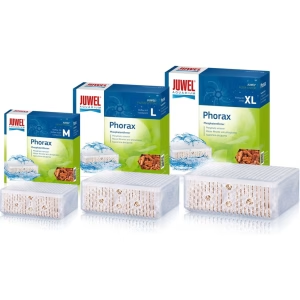
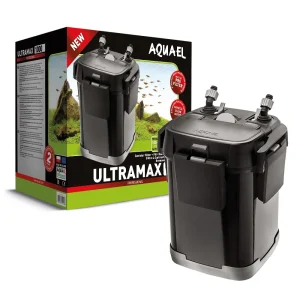
A Filter: A filter keeps the water clean by removing waste and harmful chemicals. But bettas do not like strong water flow. Choose a gentle filter with a low flow. Sponge filters are a great choice because they are very gentle. Some tank kits come with filters, but check that the flow is not too strong for your betta.
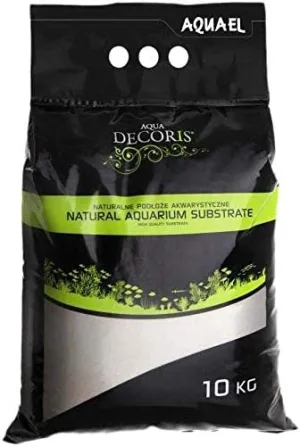
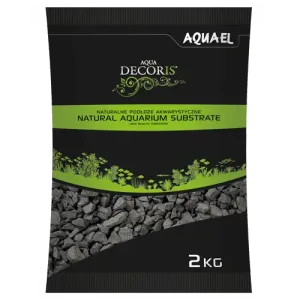
Substrate (Bottom Material): This is what goes on the bottom of the tank. You can use gravel, sand, or even leave the bottom bare. If you use gravel, pick small, smooth pebbles that will not tear your betta’s fins. Fine sand is another good option because it is soft and looks natural. Rinse the substrate well before adding it to the tank to remove dust.
Decorations and Hiding Spots: Bettas need places to hide and explore. Caves, driftwood, and smooth rocks all work well. Make sure nothing has sharp edges that could damage your betta’s delicate fins. Avoid plastic plants with sharp points.
Plants: Live plants are wonderful for betta tanks. They help keep the water clean, add oxygen, and give your fish places to rest. Great beginner plants include Anubias, Java Fern, and Amazon Swords. If you do not want live plants, use silk plants instead of plastic ones.
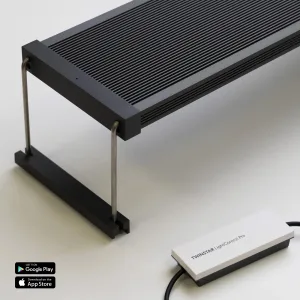
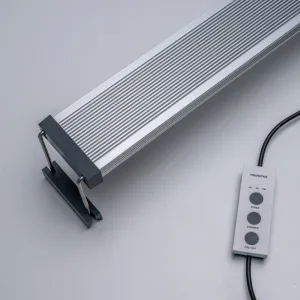
Lighting: Bettas need a regular day and night cycle. Provide about 8 to 12 hours of light each day. Turn the lights off at night so your fish can rest. A timer can make this easy.
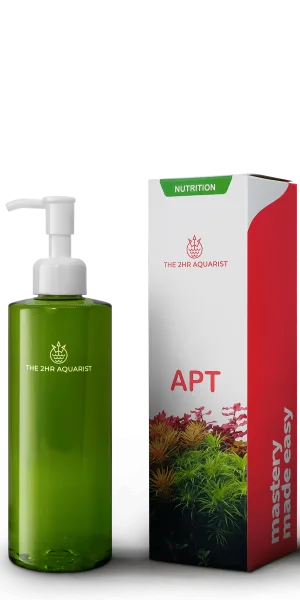
Water Conditioner: Tap water has chemicals like chlorine that are bad for fish. A water conditioner removes these chemicals and makes the water safe. You must use this every time you add water to the tank.
What Do You Put in the Bottom of a Betta Tank?
The bottom of your betta tank is called the substrate. You have several choices for what to put there. The most common options are gravel and sand.
Gravel is a popular choice. It comes in many colours and sizes. Small, smooth pebbles are best for bettas because they will not hurt their fins. Gravel gives good bacteria a place to grow, which helps keep the water clean. The downside is that food and waste can fall between the pebbles and be hard to clean.
Sand is another great option. It is very soft and gentle on betta fins. Sand looks natural and beautiful in the tank. Waste stays on top of the sand, making it easy to siphon away. The main drawback is that sand can be dusty when you first add it, so you need to rinse it well.
Some people choose to leave the bottom bare. This is the easiest to clean, but it does not look as natural and gives less space for good bacteria to grow.
Whatever you choose, make sure the material is aquarium-safe. Rinse it thoroughly before adding it to your tank. You do not need a thick layer. About 1 to 2 inches (2.5–5 cm) is plenty. If you want to have live plants, you may need a special plant substrate or add root tabs to feed the plants. The bottom of your tank is more than just decoration. It helps create a healthy environment for your betta.
Will a Betta Survive in Tap Water?
The short answer is no, not directly. But with the right treatment, yes.
Tap water contains chemicals that water companies add to make the water safe for people to drink. The most common are chlorine and chloramine. These chemicals are added to kill germs in the water. But they are also deadly to fish. They can burn a fish’s gills and harm the good bacteria in your tank. If you pour untreated tap water into your tank, your betta will get sick very quickly.
You can make tap water safe for your betta. The easiest way is to use a water conditioner, also called a dechlorinator. This is a liquid you add to the water that removes the harmful chemicals. It works very quickly. You add a few drops to the water, and it makes the water safe for your fish.
Some people let tap water sit out for a day to let the chlorine evaporate. This can work for chlorine, but it does not work for chloramine. Many water companies now use chloramine, so it is safer to just use a water conditioner. Good conditioners also remove heavy metals and other harmful substances from the water.
A few drops of conditioner is all it takes to turn unsafe tap water into safe water for your betta. Always treat the water before you add it to the tank. This is one of the most important rules of betta care.
How Do You Set Up a Betta Fish Tank
Setting up your first betta tank can feel overwhelming, but it is simple if you follow these steps. Here is a beginner-friendly guide to setting up your betta fish tank.
Choose Your Tank
Pick a tank that is at least 5 gallons (19 litres). A 10-gallon (38-litre) tank is even better. Make sure it has a lid. Place the tank on a sturdy, flat surface away from windows, heaters, and air vents.
Gather Your Supplies
Here is your shopping checklist:
- Tank (5 gallons or larger) with lid
- Heater and thermometer
- Gentle filter (sponge filters work great)
- Substrate (smooth gravel or sand)
- Water conditioner
- Decorations and hiding spots (caves, driftwood)
- Live or silk plants
- Light
- Water test kit
- Fish food
- Gravel vacuum for cleaning
Add the Substrate
Rinse your substrate well in a bucket until the water runs clear. Add it to the bottom of the tank. Aim for about 1 to 2 inches (2.5–5 cm) deep.
Add Decorations and Plants
Place your decorations, caves, and plants in the tank. Arrange them in a way that gives your betta places to hide and explore. Make sure nothing has sharp edges.
Install Equipment
Set up your heater, filter, and light. Follow the instructions that come with each item.
Fill with Treated Water
Fill the tank with water. Add water conditioner to remove chlorine and other harmful chemicals. Follow the dosage instructions on the conditioner bottle.
Turn Everything On
Plug in the heater, filter, and light. Let everything run. Check the temperature with your thermometer. Adjust the heater until the water stays between 76 and 82°F (24–28°C).
Cycle the Tank
This is the most important step. You need to grow good bacteria in your tank before adding your fish. Add a small amount of fish food to the tank to start the bacteria growing. Test the water every few days using your test kit. You are looking for ammonia and nitrite levels to drop to zero. This process takes 2 to 8 weeks. Be patient!
Add Your Betta
Once the tank is fully cycled and the water is safe, it is time to add your betta. Float the bag with your fish in the tank for 15 to 30 minutes. This lets the water temperatures equalise. Then slowly add small amounts of tank water to the bag over about 30 minutes. Finally, gently release your fish into the tank using a net. Do not pour the bag water into your tank.
Maintain Your Tank
Do a partial water change of about 25 per cent every week. Use a gravel vacuum to clean the bottom. Always treat new water with conditioner before adding it. Test your water regularly to make sure it stays healthy.
Do Betta Fish Like Shallow or Deep Tanks?
Bettas prefer shallow tanks over deep ones. In the wild, they live in shallow waters like rice paddies and slow-moving streams. These waters are not very deep. Bettas have a special organ called a labyrinth organ that lets them breathe air from the surface. This means they need to swim to the top of the water to get air. If the water is too deep, it is harder for them to reach the surface.
The ideal water depth for a betta is no more than 12 inches (about 30 cm). You can keep bettas in deeper tanks, but it is not the best choice for them. A sick or older betta may struggle to swim up from deep water to breathe. This can cause them stress and exhaustion.
When choosing a tank, look for one that is longer rather than taller. A long, shallow tank gives your betta plenty of swimming room without making it hard to reach the surface. A 5-gallon tank that is longer than it is tall is a great choice. Your betta will be much happier with horizontal space to explore than with vertical depth to climb.
Do Betta Fish Need a Light at Night?
No, betta fish do not need a light at night. In fact, leaving the light on at night is bad for them. Bettas need darkness to rest and stay healthy.
Like humans, bettas have an internal clock that tells them when to be awake and when to sleep. They need a regular day and night cycle to stay physically and mentally well. During the day, they are active and explore their tank. At night, they need darkness to rest and recharge.
In the wild, bettas experience natural light during the day and darkness at night. Your tank should try to copy this natural cycle. Provide about 8 to 12 hours of light each day. Then turn the lights off for the rest of the day. An automatic timer can make this very easy.
If you leave the light on all night, your betta will not get the rest they need. This can stress them out and make them sick. Some people worry about their betta being scared of the dark, but this is not something you need to worry about. Bettas are used to darkness at night. They will find a comfortable spot to rest and sleep until the lights come back on in the morning.
Planted Betta Tanks: Why Live Plants Are Worth It
Adding live plants to your betta tank is one of the best things you can do. Plants make the tank look beautiful, but they also do a lot of good for your fish. Live plants help keep the water clean by absorbing harmful chemicals like ammonia and nitrates. They add oxygen to the water, which is good for your betta. Plants also give your fish places to hide, rest, and explore. Bettas love to swim through leaves and rest on broad plant leaves near the surface.
The best plants for beginners are ones that are easy to grow and do not need special lighting or fertiliser. Anubias is a fantastic choice. It is very hardy and grows well in low light. Java Fern is another great option. It is tough and easy to care for. Java Moss is a classic that grows easily and provides great cover for your betta. Amazon Swords are larger plants that make a beautiful centrepiece. Floating plants like Dwarf Water Lettuce or Frogbit are also wonderful. They float on the surface, which bettas love.
When you add plants to your tank, make sure they are aquarium-safe. Some plants from garden stores have chemicals that can hurt your fish. Buy your plants from a pet store or an aquarium supplier. Rinse them well before putting them in your tank. Live plants do need some light to grow. About 8 hours of light per day is usually enough. You might also need to trim the plants sometimes if they grow too big. Overall, live plants are one of the best investments you can make for your betta tank setup. They make the tank healthier and more beautiful, and your betta will love them.
Choosing the Right Filter for Your Betta Tank
Filters are an important part of any betta fish tank setup. They keep the water clean by removing waste and harmful chemicals. But not all filters are good for bettas. Bettas have long, delicate fins that can get torn or damaged. They also do not like strong water currents. A filter that pushes water around too much will stress your betta out.
Sponge filters are often the best choice for betta tanks. They provide gentle filtration without creating strong currents. The water flows through a sponge that traps waste and gives good bacteria a place to grow. Sponge filters are quiet, affordable, and easy to clean. They work with an air pump, which adds bubbles to the water. Bettas do not mind the bubbles at all.
Hang-on-back filters are another option. These hang on the back of the tank and pull water up through a tube. Many of these filters have adjustable flow settings. You can turn the flow down to make it gentle enough for your betta. If the flow is still too strong, you can put a sponge over the output to slow it down.
When choosing a filter, look for one that is rated for a tank slightly smaller than yours. A filter meant for a 5-gallon tank will be gentler in a 10-gallon tank. The most important thing is that the water moves gently. Your betta should be able to swim comfortably without being pushed around. A good filter will keep your water clean and your betta happy.
Your Betta Tank Setup Checklist
Here is a final checklist to help you get everything ready. Use this as you set up your tank.
Tank and Equipment:
- Tank (5 gallons or larger, with a lid)
- Heater
- Thermometer
- Gentle filter (sponge filter recommended)
- Light
- Power strip for plugging everything in
Substrate and Decor:
- Substrate (smooth gravel, sand, or bare bottom)
- Decorations (caves, driftwood, smooth rocks)
- Live plants or silk plants (no sharp plastic plants)
Water and Chemicals:
- Water conditioner (dechlorinator)
- Water test kit (liquid test kit is best)
- Fish food (high-quality betta pellets)
Cleaning Supplies:
- Gravel vacuum for water changes
- Bucket for old water
- Net for catching your fish
Setup Steps:
- Place tank on sturdy, level surface
- Rinse and add substrate
- Add decorations and plants
- Install heater, filter, and light
- Fill with treated water
- Turn on all equipment
- Check temperature (aim for 76–82°F / 24–28°C)
- Cycle the tank (2–8 weeks, test water regularly)
- Add fish only when water is safe
- Do weekly water changes (about 25%)
Conclusion
Setting up a betta fish tank does not have to be hard. With the right information and a little patience, anyone can create a beautiful, healthy home for their betta. The most important things to remember are to get a tank that is at least 5 gallons (19 litres), use a heater to keep the water warm, choose a gentle filter, and always treat tap water with conditioner before adding it to the tank. Cycling your tank before adding your fish is absolutely essential. It takes time, but it is the best way to keep your betta healthy.
A good betta fish tank setup is an investment in your fish’s health and happiness. When you give your betta the right environment, you will see their true personality come out. They will explore their tank, build bubble nests, and greet you when you come near. Their colours will be bright and beautiful. They will live longer and stay healthier. The small amount of effort and money you put into setting up the tank properly will pay off many times over in the joy of watching your betta thrive.
Remember that every betta is different. Some are more active, some are more shy. Watch your fish and learn what they like. Adjust their environment as needed. The more you learn about your betta, the better you will be at caring for them. With the setup guide you have just read, you have all the knowledge you need to get started. Now it is time to build your betta’s dream home. Your new fish friend is waiting, and with the right setup, they will have a long, happy life with you.