What is the nitrogen cycle?
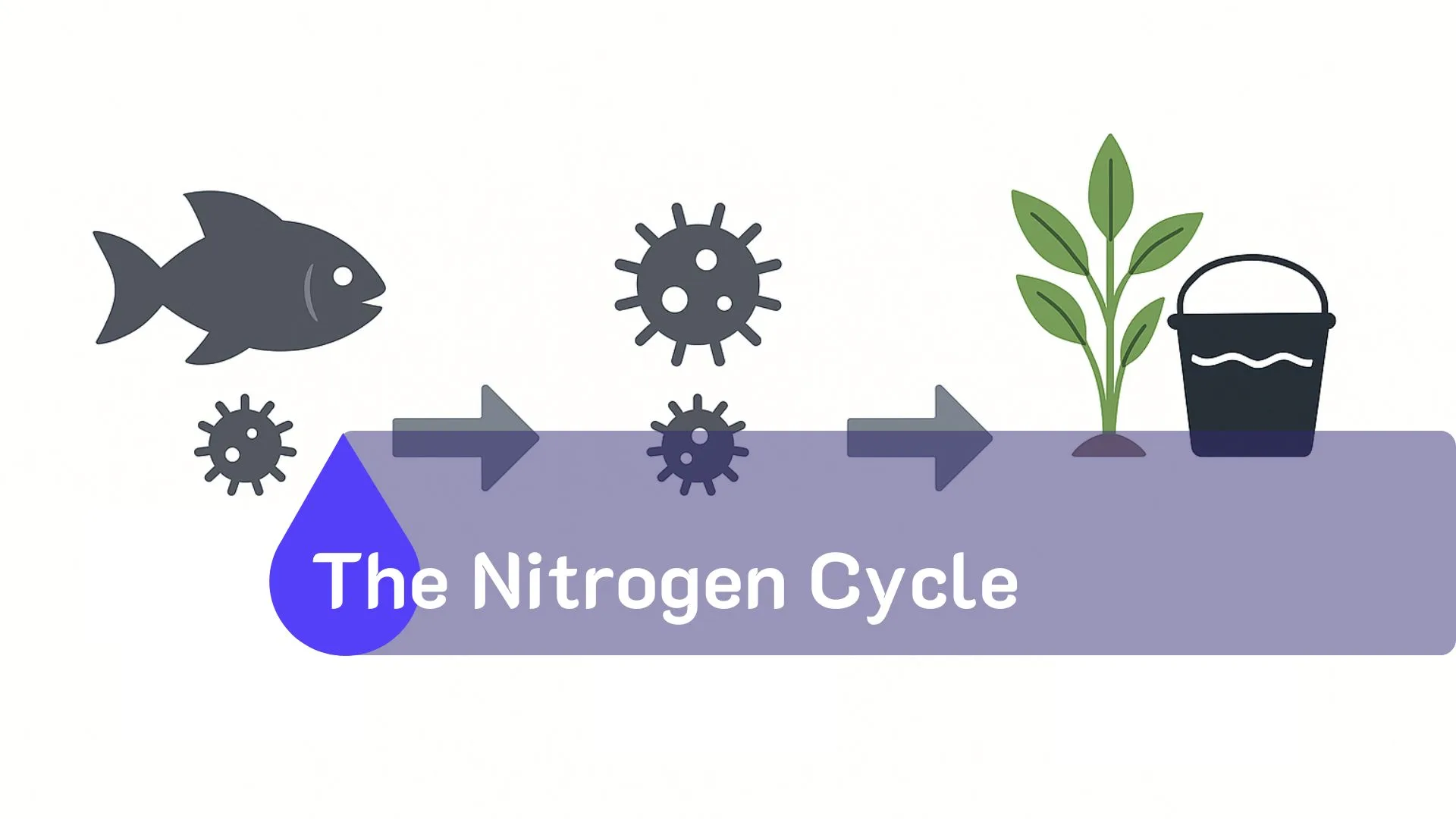
Fish waste and decomposing organics release ammonia (NH₃), which is highly toxic. Bacteria convert ammonia into nitrite (NO₂⁻) also toxic and then into nitrate (NO₃⁻), which is much less harmful and controlled with partial water changes and plant uptake. This biological filtration lives mainly in your filter media and substrate.
Stages of the nitrogen cycle
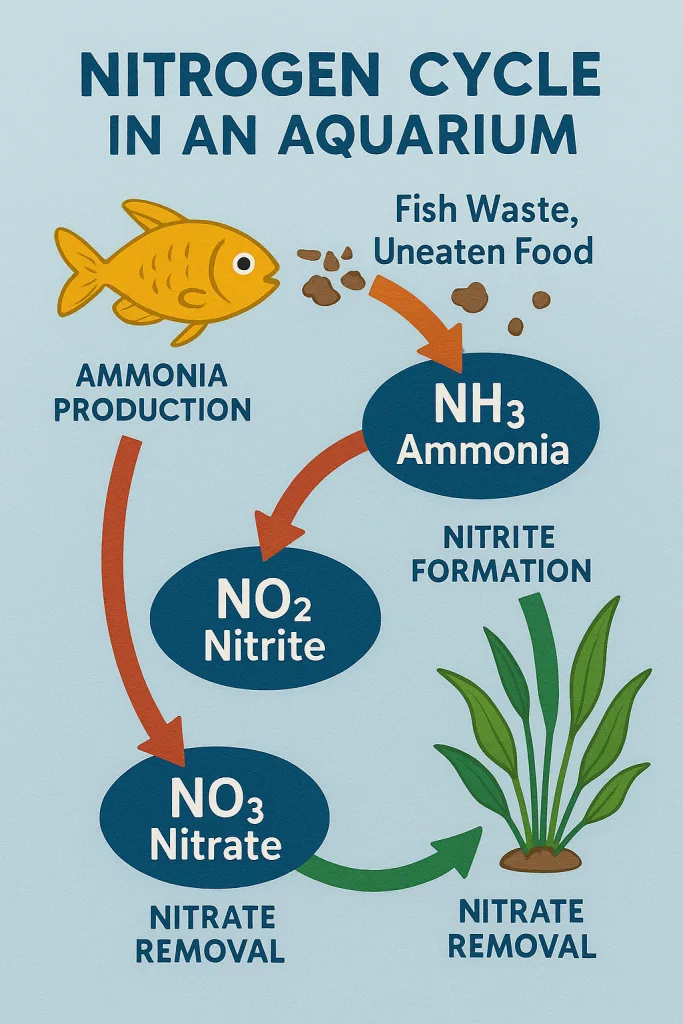
- Ammonia production – From fish waste and decaying matter.
- Nitrite formation – Ammonia – oxidising bacteria (e.g., Nitrosomonas).
- Nitrate formation – Nitrite – oxidising bacteria (e.g., Nitrobacter).
- Nitrate control – Regular water changes and live plants.
How to cycle your tank (no ammonia dosing)
- Set up and run the hardware
Install filter and heater; run 24/7. Keep temperature stable (about 22–26 °C for most community tanks). Ensure good surface agitation for oxygen. - Plant generously
Add fast-growing stems or floaters. Plants improve stability and help consume nitrate later. - Add beneficial bacteria
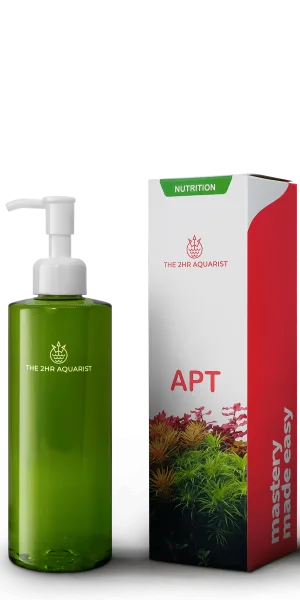
Use a reputable bottled culture following the label. For an extra boost, place a small piece of mature bio-media from a healthy aquarium into your filter (do not rinse in tap water). - Introduce a very light initial stock
Add a small number of hardy fish (≈10–20% of your intended stock) and feed very sparingly. Their waste provides the natural ammonia source to “teach” the biofilter, without dosing. - Test every 2–3 days
Track ammonia, nitrite, nitrate. If ammonia or nitrite exceed ~0.25 ppm, do an immediate 30–50% water change and re-test. Keep aeration high. - Support the bacteria
For the first week, you may re-dose the bottled bacteria per label directions. Keep filters running continuously and avoid over-cleaning. - Readiness check
When normal feeding results in ammonia 0 ppm and nitrite 0 ppm on consecutive days (with nitrate present), your tank is cycled. - Increase stock gradually
Add the next small group of fish after a week of stable 0/0 readings. Continue testing after each addition. - Protect the biofilter
Rinse sponges/biomedia in tank water, never under the tap. Never switch off the filter for long periods.
Safety thresholds to remember:
- Aim for 0 ppm ammonia and 0 ppm nitrite.
- Keep nitrate relatively low (commonly <20–40 ppm, depending on livestock).
- If levels rise, water-change immediately.
Ongoing maintenance
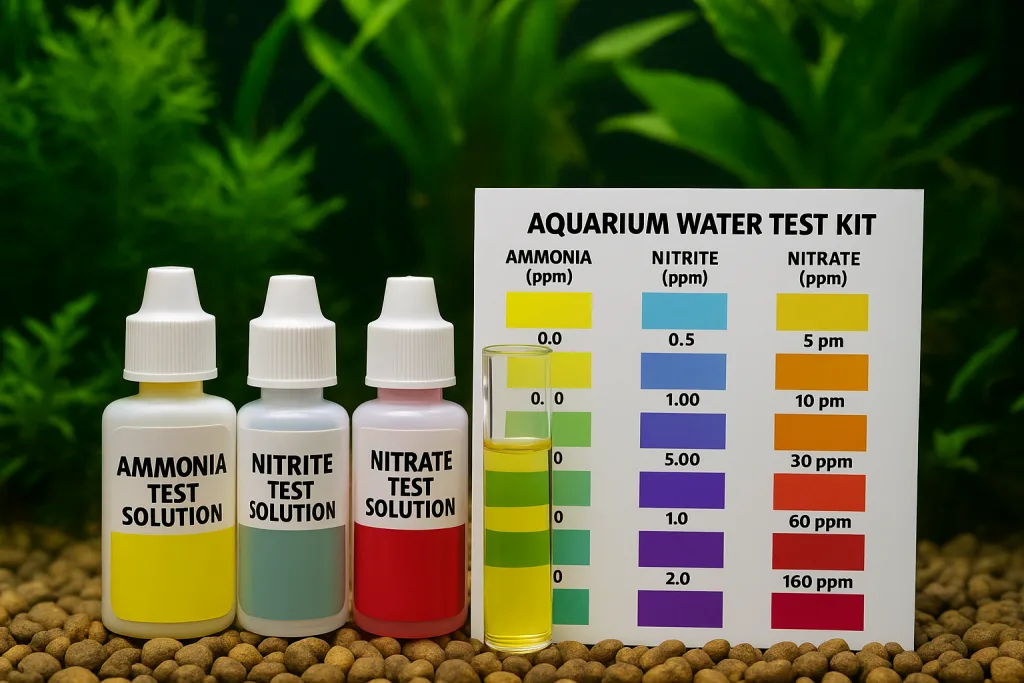
- Weekly testing: Confirm ammonia and nitrite remain at zero; log nitrate trends.
- Water changes: Routine partial changes to dilute nitrate and refresh minerals.
- Plant care: Trim fast growers; healthy plants help consume nitrate.
- Feeding: Little and often avoid excess waste.
Common mistakes to avoid
- Adding many fish at once.
- Overfeeding while the biofilter is immature.
- Replacing all filter media at the same time.
- Rinsing media under chlorinated tap water.
Quick answers (FAQ)
How long does cycling take without dosing ammonia?
Usually 2–6 weeks. Seeding with mature media and maintaining stable temperature can shorten this.
Do water changes slow the cycle?
No, partial changes reduce toxins and keep fish safe without “resetting” the biofilter.
What levels are safe?
Ammonia 0 ppm, nitrite 0 ppm, and nitrate kept low with plants and water changes.
Is this the same as biological filtration?
Yes, the nitrogen cycle is the biological filtration that makes aquariums livable.