Tired of green, brown, or fuzzy algae taking over your beautiful aquarium? You’re not alone. Algae is a common part of any aquatic ecosystem, but when it gets out of control, it can ruin your view and harm your plants. While managing light and nutrients is key, employing a dedicated “clean-up crew” is the most effective and natural way to keep your tank sparkling.
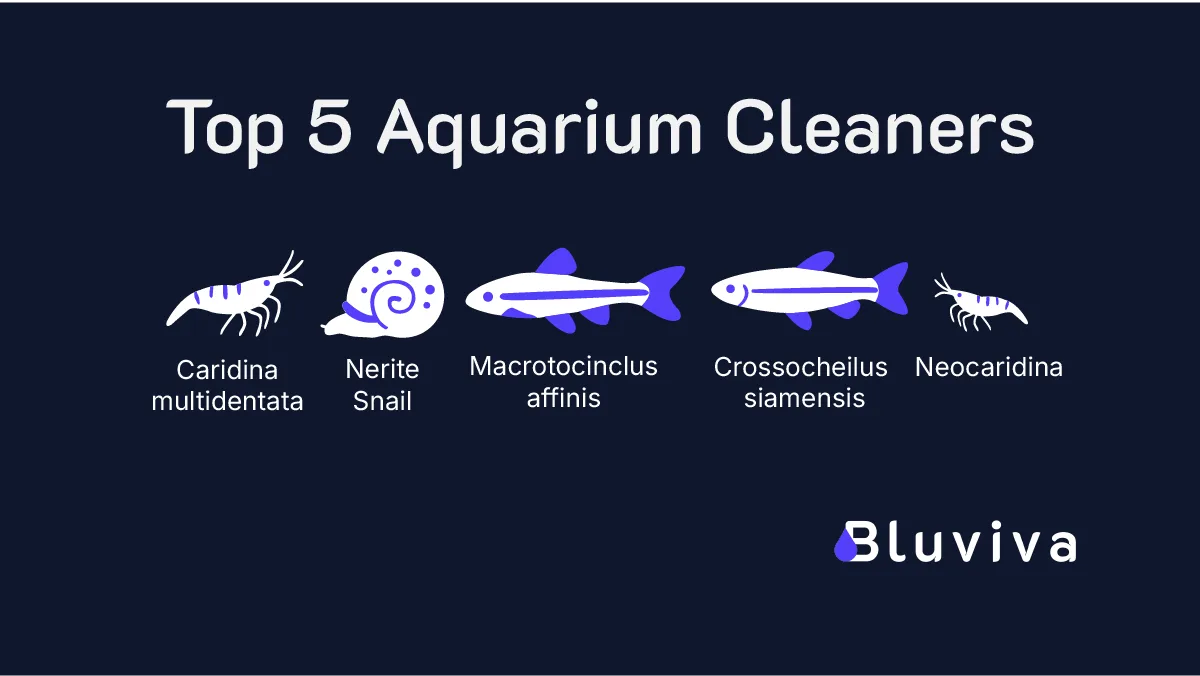
If you’re looking to hire the best algae eaters for the job, we’ve got you covered. Here are the top 5 algae-eating specialists that will work tirelessly to keep your aquarium pristine.
1. The Amano Shrimp (Caridina multidentata)
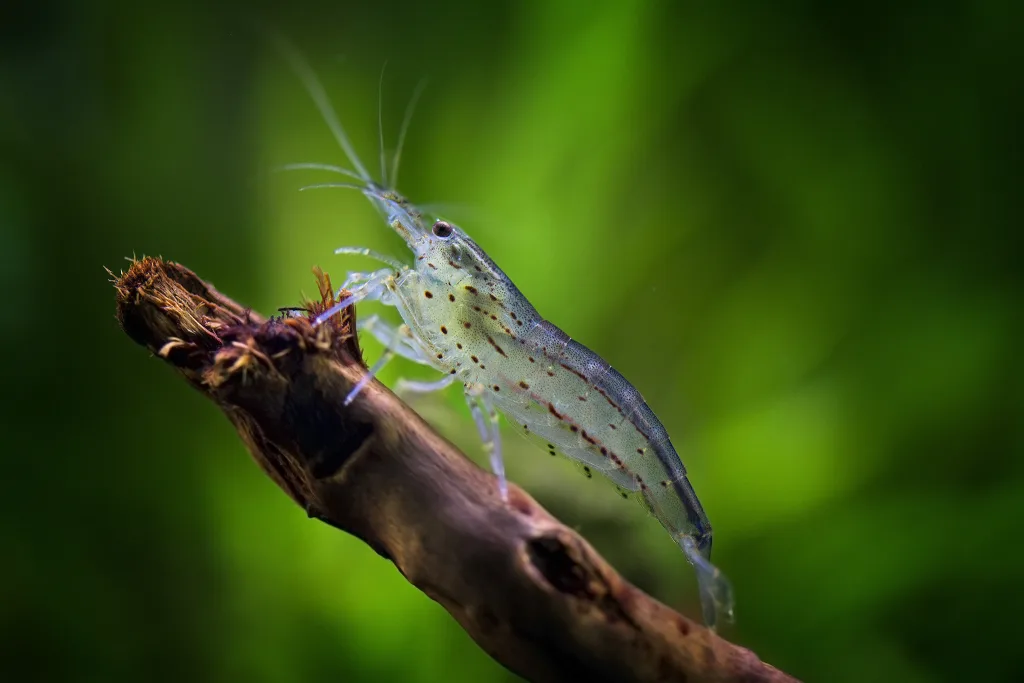
Best for: Filamentous Algae (Hair, Thread, Fuzz Algae)
No list of algae eaters is complete without the legendary Amano Shrimp, popularized by the famous aquarist Takashi Amano. These shrimp are tireless workers and are widely considered the single most effective algae eater you can add to a planted tank.
- Why they’re great: Amano Shrimp have a voracious appetite for pesky filamentous algae, which other cleaners often ignore. They will meticulously graze on plants, hardscape, and substrate.
- Care Tips: They are social creatures and work best in a group. A good starting point is one Amano Shrimp per 10-15 liters of water. If you have a major algae outbreak, you can temporarily add more. They are peaceful but can be targets for larger, aggressive fish.
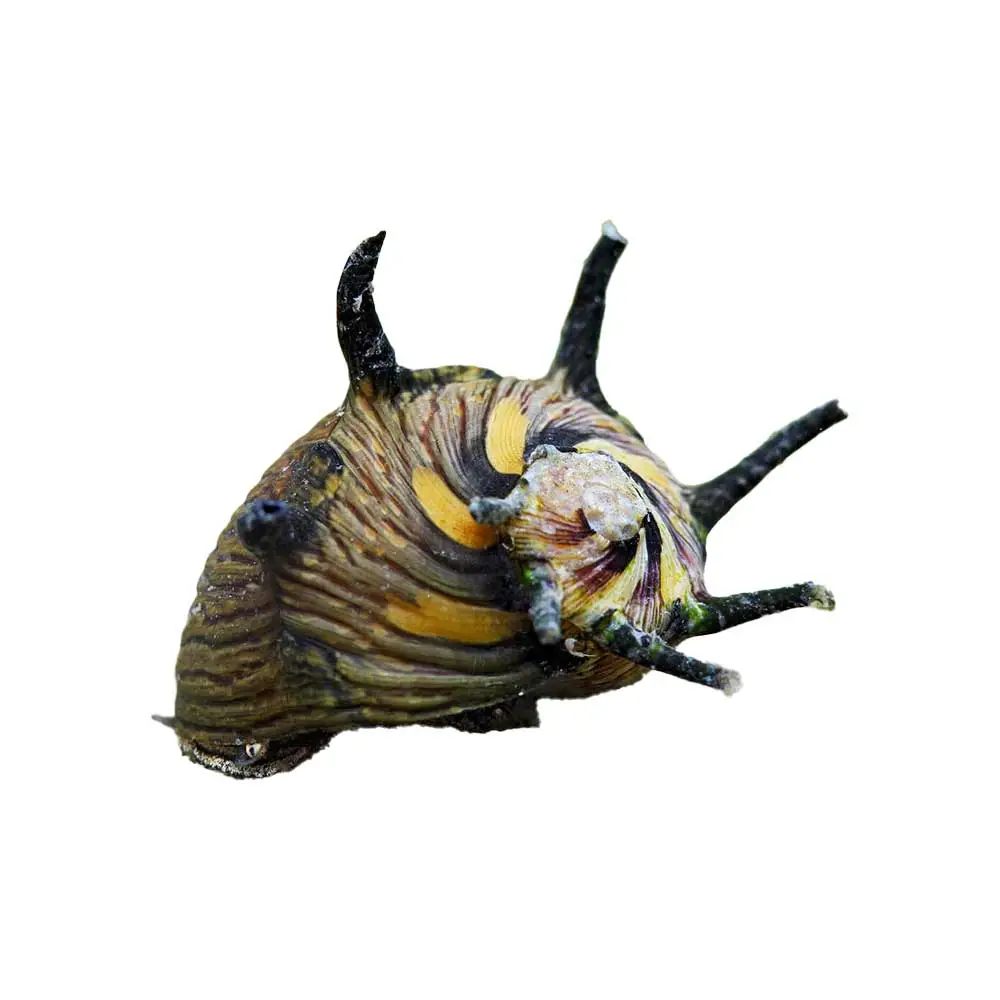
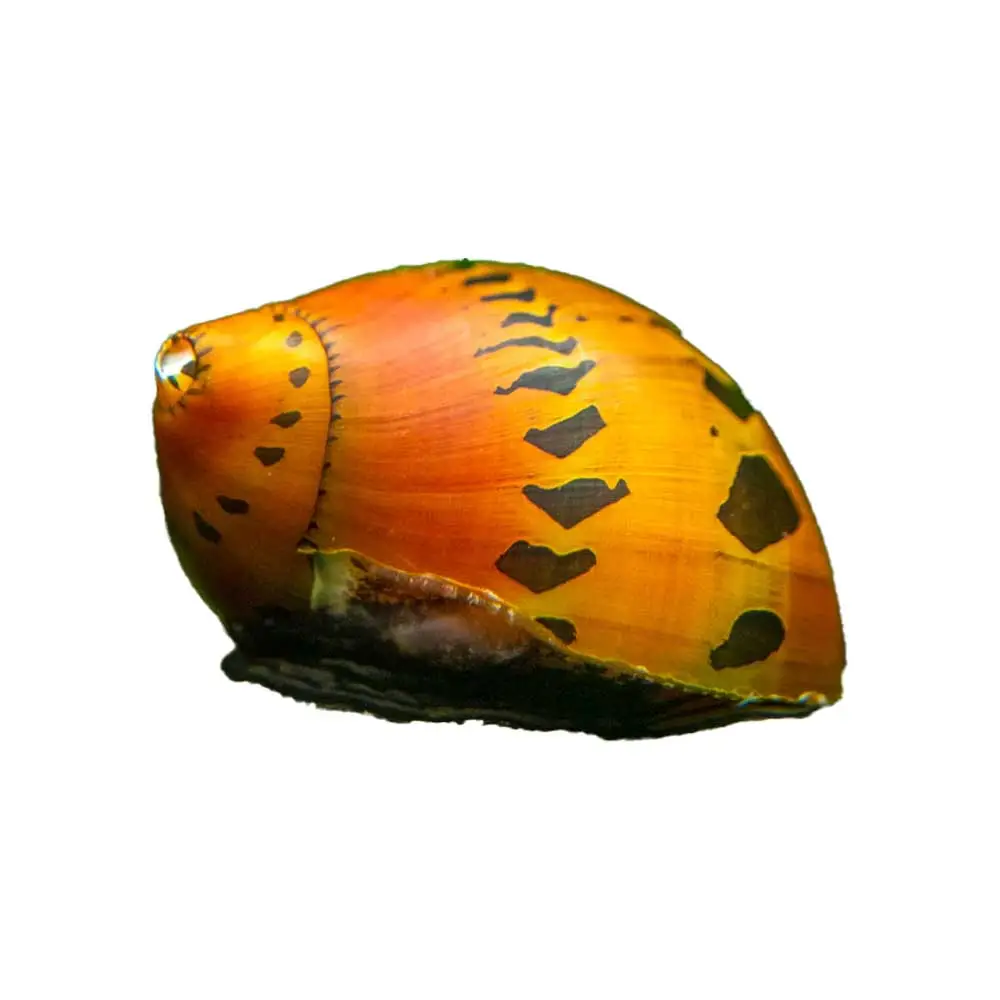
2. The Nerite Snail (Neritina sp. / Clithon sp.)
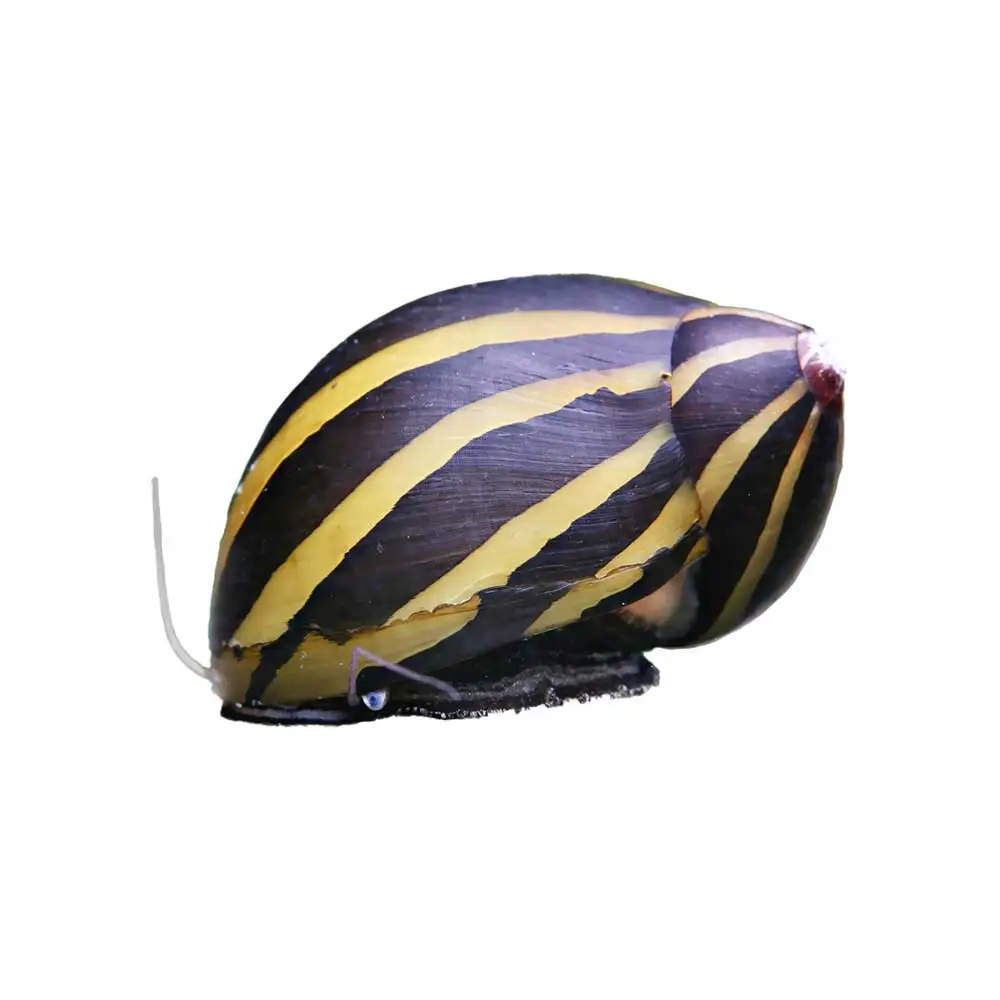
Best for: Hard Algae Films (Green Spot, Brown Diatoms)
If your aquarium glass, rocks, or driftwood are covered in a stubborn film of green or brown algae, the Nerite Snail is the specialist you need. These snails are like mini-lawnmowers for hard surfaces.
- Why they’re great: Nerite Snails have a powerful rasping tongue that scrapes off algae films that shrimp and fish can’t handle. The “Horned” Nerite (Clithon corona) is a popular choice and is also effective against tough black brush algae.
- Care Tips: A huge bonus for freshwater tanks is that their eggs will not hatch in freshwater. You’ll get all the cleaning power without the worry of a snail infestation. A good ratio is one snail per 10-20 liters.
3. The Otocinclus Catfish (Macrotocinclus affinis)
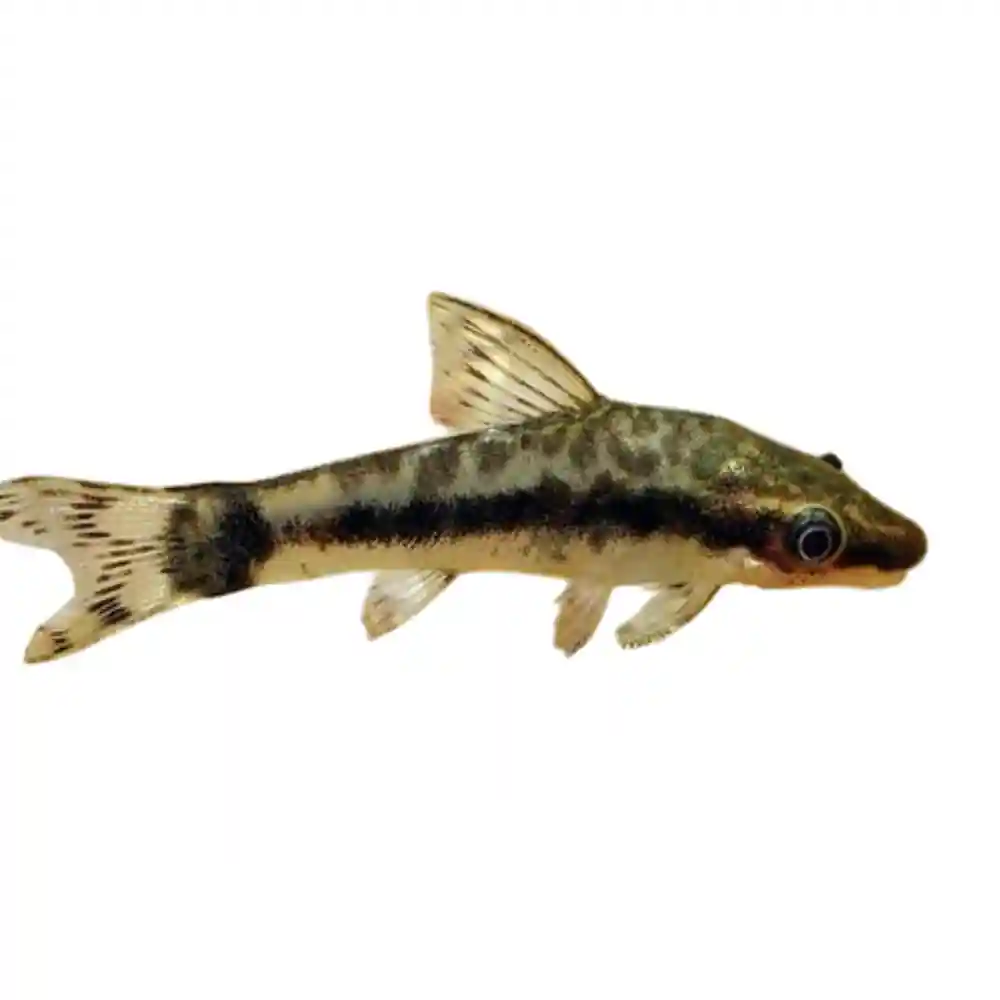
Best for: Soft Algae (Brown Diatoms, Green Algae)
Affectionately known as “Otos,” these small, peaceful catfish are a perfect addition to a community tank. They are specialists when it comes to soft algae, particularly the brown diatom algae that often appears in new aquariums.
- Why they’re great: Otos are small, gentle, and safe for even the most delicate plants and smallest shrimp. They are fantastic at cleaning algae from plant leaves, glass, and other smooth surfaces.
- Care Tips: Otos are shoaling fish and must be kept in a group of at least 4-6 to feel secure and active. A lone Oto will be stressed and hide. They are sensitive to water quality, so only add them to a stable, mature aquarium. They also appreciate driftwood to graze on.
4. The Siamese Algae Eater (Crossocheilus siamensis)
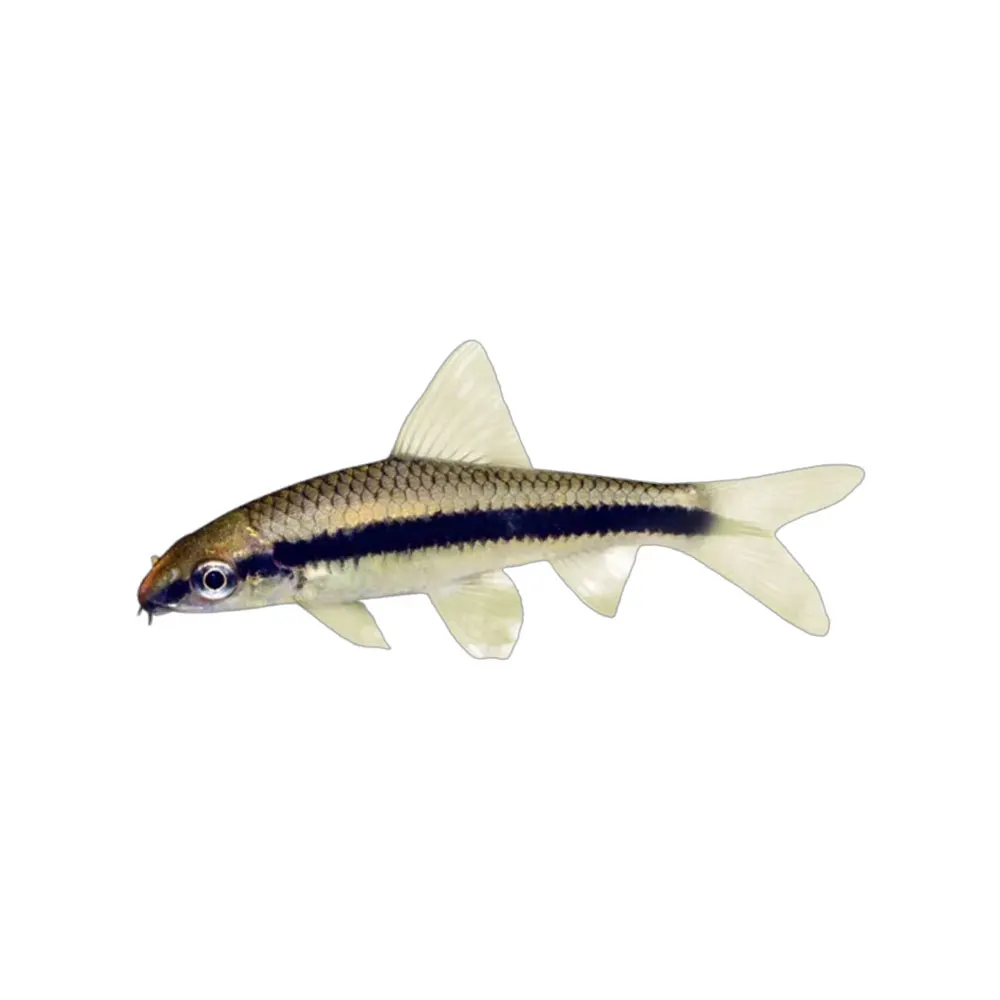
Best for: Black Beard Algae (BBA) and Hair Algae
This is the heavy-hitter of the algae-eating world, famous for being one of the only fish that will reliably eat the dreaded Black Beard Algae (BBA). They are most effective when juvenile, as they can become “lazier” and prefer fish flakes as they mature.
⚠️ Be Careful With Identification!
This is crucial. True SAEs are often confused with “imposters” that won’t eat BBA and can be aggressive.
- True SAE (Crossocheilus siamensis): The black horizontal stripe runs from its nose all the way through its tail fin. The fins are completely clear.
- Flying Fox (Imposter): The black stripe stops at the base of the tail. Its fins are yellowish and have black markings.
Care Tips & Tank Requirements
This is NOT a fish for small tanks.
- Size: They grow large, up to 15 cm.
- Tank Size: A 115 L tank is the absolute minimum for one. A group needs 200 L or more to thrive.
- Temperament: Generally peaceful with other species, but can become territorial with its own kind. It’s best to keep either a single SAE or a larger group of 5+ to spread out aggression.
- Tank Mates: A great community fish, but it will eat dwarf shrimp.
- Warning: They are powerful and notorious jumpers. A tight-fitting lid is essential!
5. Dwarf Shrimp (Neocaridina)
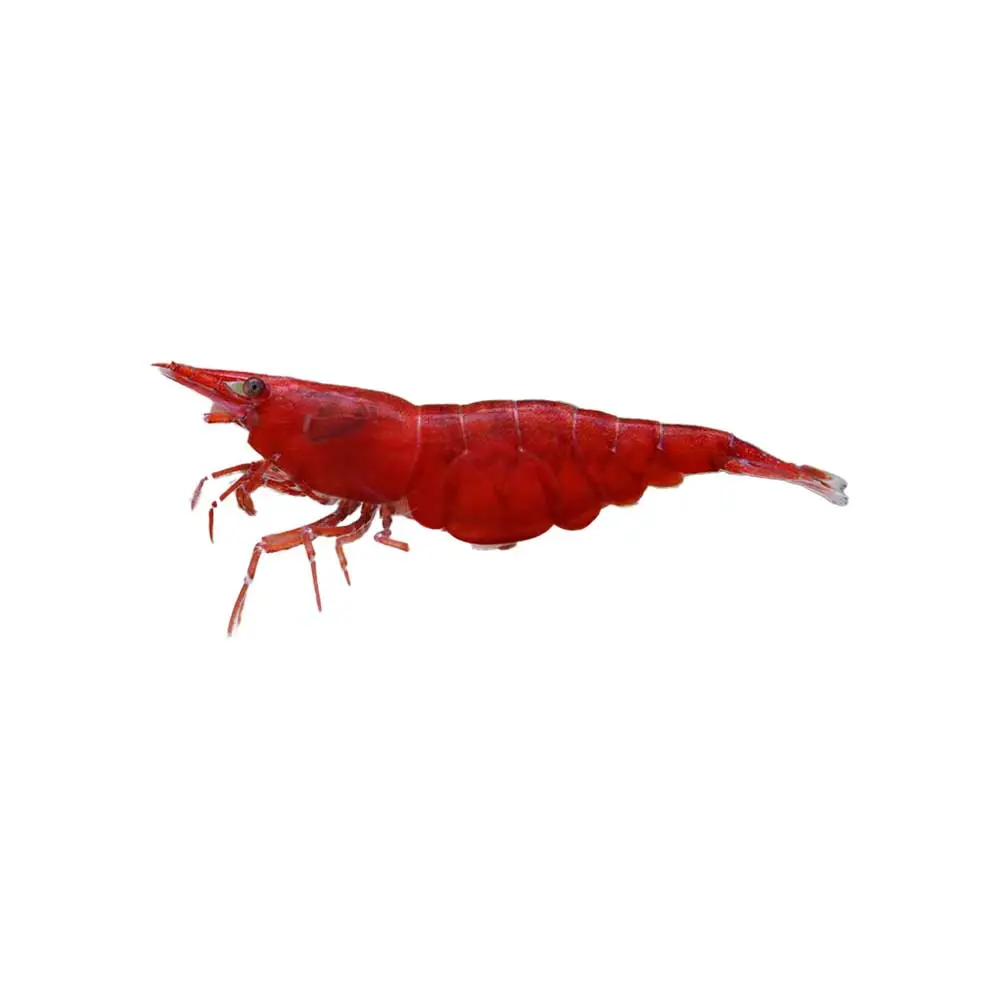
Best for: Daily Maintenance & Nano Tanks
While Amanos and SAEs are the heavy-duty cleaners, Dwarf Shrimp (like the popular Red Cherry, Blue Dream, or Yellow Sunkist varieties) are the perfect “daily maintenance” crew. They are constantly picking at surfaces, preventing algae from ever getting a foothold.
- Why they’re great: They are excellent for small or “nano” aquariums where other algae eaters might be too large. They graze on the fine “fuzz” algae and biofilm that other cleaners miss.
- Care Tips: Unlike Amanos, Neocaridina shrimp will readily breed in a freshwater aquarium, so a small group of 10 can quickly become a self-sustaining cleaning crew. They come in a stunning variety of colors, adding beauty as well as function to your tank.
Building Your “A-Team”
The best approach is to combine these algae eaters, as they all specialize in different types of algae and clean different areas of the aquarium. For a larger tank, a crew of Amano Shrimp, a few Nerite Snails, and a shoal of Otos will complement each other perfectly. If you have a specific Black Beard Algae problem (and the tank space), adding a true Siamese Algae Eater could be the solution you need. This tag-team approach creates a balanced and spotless ecosystem.