If you are looking for a small, colorful, and easy-to-care-for fish, the Endler’s livebearer might be perfect for you. These tiny fish are full of personality and have bright, beautiful colors that can light up any aquarium. They are great for beginners because they are hardy and not too hard to take care of. But like all fish, they still need the right home, the right food, and the right care to stay healthy and happy.
Endler’s livebearers come from Venezuela. They were first found in 1937 by a man named Franklyn F. Bond. Later, in 1975, a scientist named John Endler found them again in a lake called Laguna de Patos in Venezuela. That is why they are called Endler’s livebearers. Their scientific name is Poecilia wingei. These fish are close cousins to guppies, and they can even breed with guppies if you keep them together. But many fish keepers prefer to keep them separate to keep the pure Endler strains alive. In the wild, these fish are in danger because of pollution in their natural lakes.
In this guide, we will cover everything you need to know about caring for Endler’s livebearers. We will talk about tank setup, water parameters, diet, health, breeding, and more. By the end, you will know exactly how to give your Endlers a great life.
Tank Setup & Environment
Tank Size
Even though Endler’s livebearers are tiny fish, males only grow to about 1 inch (2.5 cm) and females to about 1.5 inches (4 cm), they are very active swimmers. They need space to swim around and explore.
For a small group of 6 to 8 Endlers, a 10-gallon tank is the minimum size you should use. If you have a 20-gallon tank or larger, that is even better. Bigger tanks are always better because the water conditions stay more stable. A 5-gallon tank can work for just three males or a single breeding pair, but it is really the bare minimum. Most experts recommend going with at least 10 gallons to give your fish room to thrive.
Filtration
Good filtration is very important for keeping your tank clean and your fish healthy. Sponge filters are one of the best choices for Endler’s livebearers. They are gentle and will not suck up tiny fish or fry. Power filters with strong intakes can be dangerous because they can suck up and kill baby fry. If you use a hang-on-back filter, make sure to cover the intake with a sponge to protect your fish.
A good rule is to use a filter that is rated for a tank bigger than yours. For example, if you have a 10-gallon tank, use a filter rated for 20 gallons. This gives you extra filtration power and keeps your water very clean.
Substrate (Bottom of the Tank)
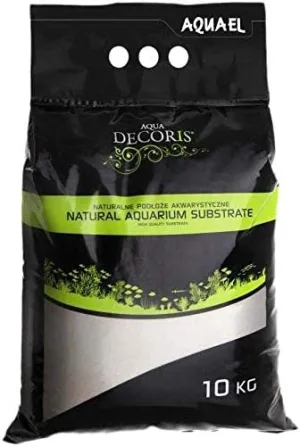
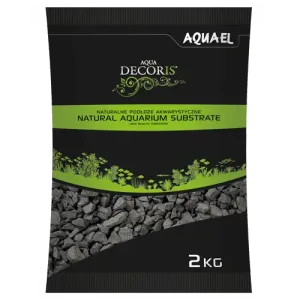
The bottom of your tank can be sand or fine gravel. Both work well for Endlers. Sand looks nice and is gentle on their bodies. Gravel is also fine and can help good bacteria grow. Choose a dark-colored substrate if you want your Endlers’ bright colors to stand out more.
Plants and Decorations
Endler’s livebearers love planted tanks. Plants give them places to hide, explore, and feel safe. They also help keep the water clean by absorbing waste products.
You should add plenty of live plants to your tank. Good choices include Java Fern, Java Moss, guppy grass, and other hardy plants that do well in hard water. Floating plants like water lettuce or frogbit are also great because they diffuse bright lighting and make the fish feel more secure.
Make sure to include both open swimming areas and planted areas. Endlers are active swimmers that like to swim in the middle and top parts of the tank. But they also need hiding spots where they can retreat when they feel stressed.
Lighting
Endlers do well with moderate lighting. Bright light is not needed, but it can help your live plants grow and make your fish’s colors look more vibrant. If your light is very bright, floating plants can help diffuse it and create a more natural look.
Lid or Cover
Endler’s livebearers are known jumpers. They can easily jump out of an open tank. Always keep a tight-fitting lid or cover on your aquarium to prevent this.
Key Water Parameters
Getting the water right is one of the most important parts of keeping Endler’s livebearers healthy. Here are the key numbers you need to know.
Temperature
Endlers are tropical fish and like warm water. The ideal temperature range is between 75°F and 85°F (24°C to 29°C). Some sources say 72°F to 82°F (22°C to 28°C) is also fine. Keep your heater set somewhere in this range and use a thermometer to check the temperature regularly.
If the water gets too cold, your Endlers’ immune systems can weaken, making them more likely to get sick. Cold water can also slow down their breeding.
pH Level
Endler’s livebearers prefer water that is slightly basic (alkaline), not acidic. The ideal pH range is between 7.0 and 8.0. Some sources say they can handle pH from 6.8 to 8.5. The most important thing is to keep the pH stable. Big changes in pH can stress your fish.
Water Hardness
Endlers come from hard water environments in Venezuela. They need moderately hard to hard water to do well. The general hardness (GH) should be between 10 and 25 dGH. Some sources say up to 35 dGH is acceptable.
If your tap water is soft, you can add products like crushed coral to increase the hardness. Never keep Endlers in soft, acidic water for long periods, they will not thrive.
Cycling the Tank
Before you add any fish, you must cycle your tank. Cycling means growing good bacteria in your filter that break down fish waste. This process usually takes 4 to 6 weeks.
During cycling, you should test your water regularly. When the cycle is complete, ammonia and nitrite levels should be zero, and nitrate levels should be below 20 ppm. Only add fish after your tank is fully cycled. Adding fish to an uncycled tank can poison them with ammonia.
Water Changes
To keep your Endlers healthy, do regular water changes. Change about 25% of the water every week or two. This removes waste and keeps nitrate levels low. Always use a water conditioner to remove chlorine and chloramine from tap water before adding it to the tank.
Diet & Feeding
Endler’s livebearers are omnivores. In the wild, they eat algae, plant matter, and tiny insects. In your tank, they will eat almost anything you give them, but a varied diet is best for their health and color.
What to Feed
Here are the best foods for Endlers:
Flake foods: High-quality flake food is a good staple diet. Look for flakes made for tropical fish.
Pellets and granules: Small pellets or micro-pellets are also good. Make sure they are small enough for the fish’s tiny mouths.
Frozen foods: Frozen foods like brine shrimp, bloodworms, and daphnia are great treats. They are very nutritious and Endlers love them.
Live foods: Live baby brine shrimp, microworms, and grindal worms are excellent, especially for breeding fish and growing fry.
Vegetable foods: Endlers need some plant matter in their diet. Spirulina flakes or algae wafers are good choices.
How Often to Feed
Feed your adult Endlers small amounts two to three times a day. Only give them as much food as they can eat in about two minutes. Overfeeding can pollute the water and cause health problems.
Foods to Avoid
Avoid foods that are too large for their small mouths. Also, be careful with treats like bloodworms, they are high in protein and should not be the only thing you feed. A balanced diet with variety is the healthiest approach.
Health
Endler’s livebearers are generally hardy fish, but they can still get sick. The best way to keep them healthy is to prevent problems before they start.
Common Diseases
Ich (White Spot Disease): Ich is a parasite that causes white spots on the fish’s body and fins. Fish with ich may also rub against objects in the tank. Treatment involves slowly raising the water temperature and using an ich medication. Keeping the water too cold can make fish more likely to get ich.
Fin Rot: Fin rot is a bacterial infection that makes the fins look ragged or have white or bloody edges. It is often caused by poor water quality. Treatment involves improving water quality with frequent water changes and using antibacterial medications if needed.
Velvet: Velvet is another parasite that can affect Endlers. It looks like a gold or rust-colored dust on the fish’s body.
Ammonia Poisoning: This happens when waste builds up in the water. Signs include gasping at the surface, red gills, and lethargy. The solution is to do water changes immediately and make sure your tank is properly cycled.
Preventing Disease
The best medicine is prevention. Here is how to keep your Endlers healthy:
- Keep water clean: Do regular water changes and test your water often.
- Don’t overfeed: Extra food rots and pollutes the water.
- Quarantine new fish: Keep new fish in a separate tank for a couple of weeks before adding them to your main tank. This stops diseases from spreading.
- Avoid stress: Keep the temperature stable, provide hiding places, and don’t overcrowd the tank.
- Keep the water warm: Cold water weakens their immune system.
Breeding and Fry Care
Breeding Endler’s livebearers is very easy. In fact, if you have males and females in the same tank, they will almost certainly breed on their own.
How They Breed
Endler’s livebearers are called “livebearers” because they give birth to live young instead of laying eggs. The male uses a special fin called a gonopodium to fertilize the female. The female carries the eggs inside her body until they hatch, and then she gives birth to fully developed fry.
A female Endler can give birth every 23 to 30 days. Each batch, or brood, can have anywhere from 5 to 25 fry. Larger females may have 20 or more fry at a time.
How to Tell Males from Females
Telling males and females apart is easy:
- Males: Males are smaller (about 1 inch) and very colorful with bright patterns. They also have a special fin called a gonopodium near their belly.
- Females: Females are larger (almost 2 inches) and have plain silver or grey colors.
Gender Ratio
To keep your Endlers happy, it is best to have more females than males. The ideal ratio is two or three females for every male. This stops the males from constantly chasing and stressing out the females. If you only keep males, they will usually get along fine since they are peaceful fish.
The Gravid Spot
When a female is pregnant, you can see a dark spot near her bottom area. This is called the “gravid spot”. As she gets closer to giving birth, this spot becomes darker and more visible.
Helping the Fry Survive
Adult Endlers do not usually eat their fry as much as some other fish do. But they might still eat some of the babies, especially if they are hungry. To help more fry survive, you can:
- Add lots of plants: Dense plants, especially floating plants and mosses, give fry places to hide.
- Use a breeding box: You can put the pregnant female in a breeding box or net inside the tank. After she gives birth, remove her so she does not eat the fry.
- Set up a separate tank: Move the pregnant female to a separate breeding tank. After she gives birth, move her back to the main tank and raise the fry in the separate tank.
Feeding the Fry
Baby Endlers need special food to grow quickly and stay healthy. The best food for fry is:
- Baby brine shrimp: Newly hatched baby brine shrimp are the gold standard for fry food. They are packed with protein and the perfect size for tiny mouths.
- Microworms: Microworms are another excellent choice and are easy to grow at home.
- Crushed flake food: You can also crush high-quality flake food into a fine powder for the fry.
Feed fry three to four times a day in small amounts. Frequent feeding helps them grow fast.
Growing Up
Endler fry grow quickly. After about 5 to 6 weeks, you can start to tell the males from the females. Females can breed when they are about 2 months old. If you do not want too many babies, you can separate the males and females when they are young.
Tank Mates
Endler’s livebearers are peaceful fish that get along well with other peaceful community fish. Here are some good tank mates:
- Small tetras (like neon tetras and cardinal tetras)
- Rasboras
- Danios
- Corydoras catfish
- Small peaceful shrimp (like cherry shrimp, amano shrimp)
- Snails
Fish to Avoid
Do not keep Endlers with:
- Aggressive fish: Fish that nip fins or bully others will stress your Endlers.
- Large predatory fish: Big fish might eat your Endlers.
- Tiger barbs: These fish are known fin-nippers.
- Guppies: Endlers and guppies can breed together and create hybrids. Many fish keepers avoid this to keep the pure Endler strains.
Lifespan and General Care Tips
Lifespan
With good care, Endler’s livebearers can live for 3 to 5 years. Keeping the water clean, feeding a good diet, and reducing stress all help them live longer.
Daily Care
Here is what you should do every day:
- Check the temperature.
- Watch your fish for any signs of sickness.
- Feed them small amounts.
Weekly Care
Each week, you should:
- Do a 25% water change.
- Clean the glass if needed.
- Test the water for ammonia, nitrite, and nitrate.
Monthly Care
Once a month:
- Clean your filter (but do it in old tank water, not tap water, so you do not kill the good bacteria).
- Trim any dead leaves from plants.
The Bottom Line
Endler’s livebearers are wonderful fish that bring color and life to any aquarium. They are small, active, and full of personality. Their bright colors and playful behavior make them a joy to watch. And because they are hardy and easy to care for, they are a great choice for beginners and experienced fish keepers alike.
The key to keeping Endlers healthy is getting the basics right. Give them a tank that is big enough, at least 10 gallons for a small group. Keep the water warm, hard, and slightly alkaline. Feed them a varied diet of flakes, frozen foods, and occasional live foods. Provide plenty of plants and hiding spots. And do regular water changes to keep the water clean.
If you want to breed them, you will find that it is almost too easy! Just put males and females together, and soon you will have baby fry swimming around. With lots of plants and the right food, many of those fry will grow into beautiful adult fish.
Endler’s livebearers are more than just pretty fish. They are survivors from a small part of Venezuela that are now found in aquariums all over the world. By keeping them healthy and happy, you are helping preserve a special species that is threatened in the wild. Whether you are setting up your first tank or adding to a collection, Endler’s livebearers are a fantastic choice. They are easy, colorful, and endlessly entertaining. With the care guide above, you have everything you need to give your Endlers a great life. Enjoy your new fish friends!