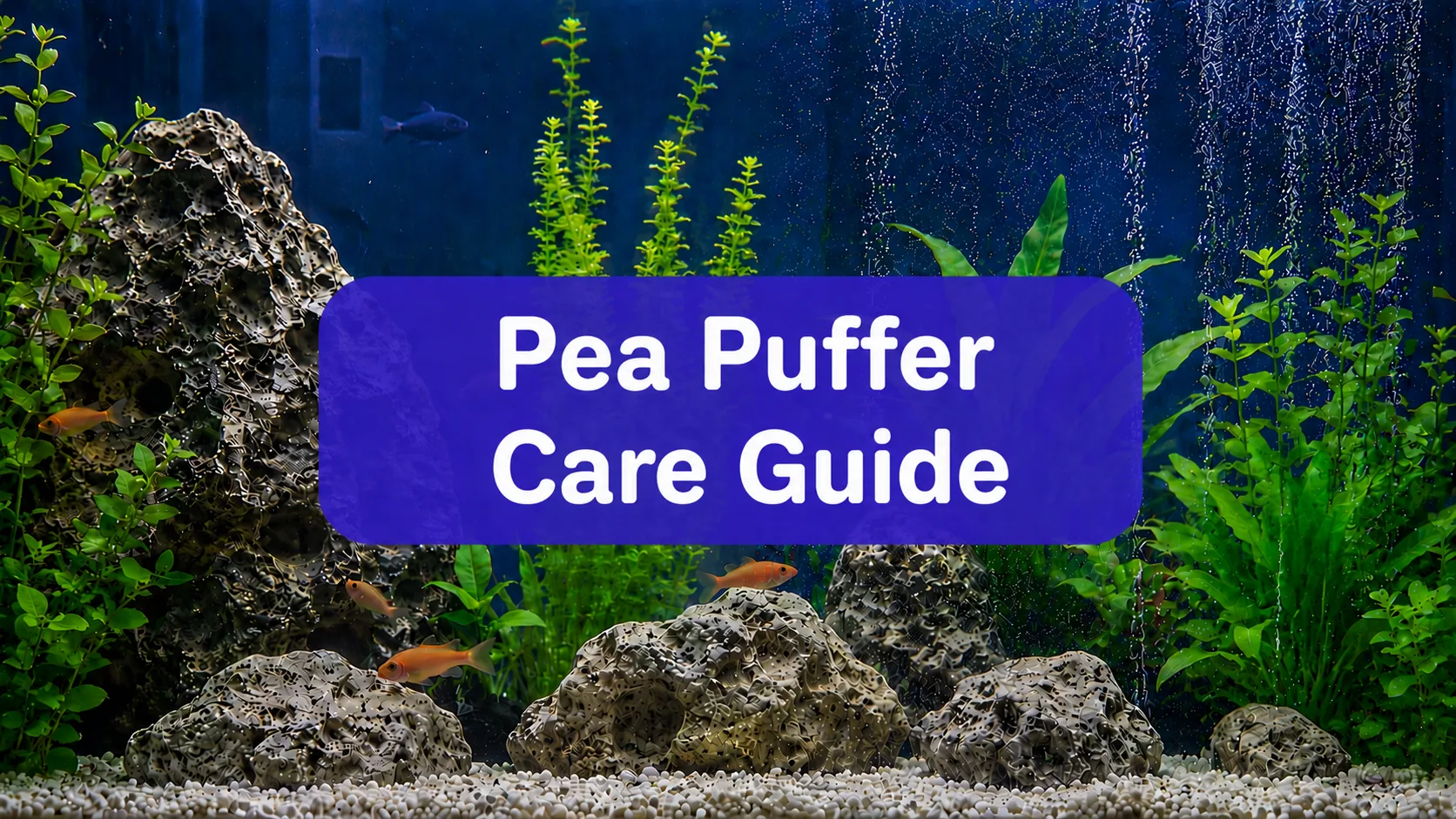
Imagine a fish so small it could sit on your thumbnail, yet so full of personality that it acts like the boss of the entire tank. That is the pea puffer. These tiny fish, also known as dwarf puffers, are some of the most interesting and entertaining fish you can keep in a home aquarium. They zoom around like little helicopters, swivel their eyes in different directions to watch you, and sometimes even puff up into tiny water balloons when they feel scared.
But here is the thing. Pea puffers are not your average beginner fish. They are cute, yes. They are small, yes. But they have very specific needs that you must meet if you want them to live a long and happy life. Many people buy them because they look adorable, only to find out later that these little fish are picky eaters, territorial bullies, and sensitive to dirty water. This guide will teach you everything you need to know to be a successful pea puffer keeper. From setting up the perfect tank to feeding them the right food, from choosing tank mates to breeding them. Let’s get started
What Are Pea Puffers?
Scientific Name and Origin
The pea puffer’s scientific name is Carinotetraodon travancoricus. They are also called dwarf puffers, Malabar puffers, or pygmy puffers. These fish come from the southwestern part of India, specifically the states of Kerala and Karnataka. In the wild, they live in slow-moving rivers, streams, and backwaters that are filled with lots of plants.
Size and Appearance
Pea puffers are the smallest pufferfish in the entire world. They grow to only about 1 inch (2.5 centimeters) long. Some might reach 1.5 inches (3.8 centimeters), but that is rare. They have round, chubby bodies that are pale green or olive green with dark spots all over. Their eyes are large and can move independently, which means each eye can look in a different direction at the same time. This gives them a very curious and smart appearance.
Males and females look different once they are adults. Males have brighter colors and often have a dark stripe running down their yellow belly. They also develop wrinkles or lines behind their eyes. Females are rounder in the body and have less color overall.
Lifespan
With good care, pea puffers can live 4 to 5 years in captivity. Some have been known to live up to 8 years. The key to a long life is clean water, good food, and a stress-free environment.
Personality and Behavior
This is where pea puffers really shine. They are incredibly intelligent fish. They quickly learn to recognize their owners and will swim to the front of the tank to greet you. They are curious about everything and love to explore every corner of their home.
However, they are also territorial and can be aggressive. They are often called “murder beans” by fish keepers because of their feisty attitude. They will chase other fish, nip at fins, and defend their space fiercely. Males are usually more aggressive than females. Think of them as tiny grumpy geniuses who want things their way.
Tank Setup and Parameters
Setting up the right home is the most important thing you can do for your pea puffers. Get this right, and everything else becomes much easier.
Tank Size
The minimum tank size for one pea puffer is 5 gallons. But bigger is always better. A 10-gallon tank is much more forgiving and gives your fish more room to swim.
If you want to keep more than one puffer, here is a simple rule: 5 gallons for the first fish, and 3 additional gallons for each extra fish. So a 10-gallon tank can hold about 3 puffers. A 20-gallon tank can hold 6 to 7 puffers. Just remember that more space means less fighting.
Water Parameters
Pea puffers need clean, stable water. Here are the numbers you need to aim for:
- Temperature: 74°F to 82°F (23°C to 28°C)
- pH: 6.5 to 7.8
- Ammonia and Nitrite: Must be 0 at all times
- Nitrates: Keep as low as possible
Stability is more important than getting the perfect number. Sudden changes in temperature or pH can stress your fish and make them sick.
Filtration
Pea puffers are messy eaters. They leave behind a lot of waste, so good filtration is a must. But here is the catch: they do not like strong water flow. They are not strong swimmers and can get stressed by heavy currents.
A sponge filter is often the best choice. It provides gentle filtration and is safe for these small fish. If you use a hang-on-back filter or canister filter, make sure the water flow is not too strong. You can also put a sponge over the filter intake to keep the puffers from getting sucked in.
Substrate
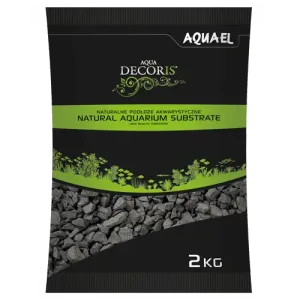
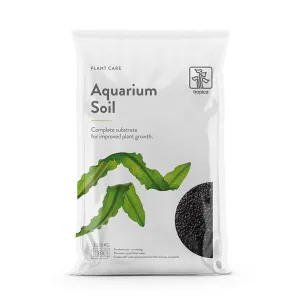
You have two main choices for the bottom of the tank: sand or gravel. Sand is usually the better option. Pea puffers like to search for food on the bottom, and sand lets them do this easily. Gravel can trap food particles and make the water dirty. Dark-colored sand also makes the puffers’ colors look brighter.
Plants and Decorations
This is one of the most important parts of pea puffer care. These fish need lots and lots of plants. Plants serve many purposes:
- They give puffers places to hide and feel safe.
- They break up the line of sight between puffers, which reduces fighting.
- They help keep the water clean by absorbing waste.
- They make the tank look beautiful.
Good plant choices include Anubias, Java fern, Cryptocoryne, and Anacharis. Floating plants like frogbit or duckweed are also great because they diffuse the light and give puffers shade.
You should also add driftwood, rocks, and caves to create more hiding spots and territorial boundaries. A “jungle style” tank with dense plants is the dream home for a pea puffer.
Heating and Lighting
Because pea puffers come from tropical India, they need warm water. Use a submersible aquarium heater to keep the temperature steady. The ideal range is 74°F to 82°F (23°C to 28°C).
For lighting, standard aquarium lights work fine. Keep the lights on for about 8 to 10 hours a day to mimic a natural day and night cycle.
Diet and Feeding
Feeding pea puffers is probably the hardest part of keeping them. They are very picky eaters and have special dietary needs.
What Do Pea Puffers Eat?
Pea puffers are carnivores. This means they eat meat, not plants. In the wild, they hunt small invertebrates like snails, worms, and tiny shrimp.
In your aquarium, you should feed them a variety of live or frozen foods. Here are the best options:
- Snails: This is the most important food. Snails help grind down the puffers’ teeth, which never stop growing. Bladder snails, ramshorn snails, and Malaysian trumpet snails are all good choices.
- Bloodworms: Both live and frozen bloodworms are a great staple food.
- Blackworms: Live blackworms are excellent and help puffers stay healthy and round.
- Brine shrimp: Live or frozen brine shrimp make a good treat.
- Daphnia: These small water fleas are another good option.
What NOT to Feed
Pea puffers will almost never eat dried foods like flakes or pellets. Do not waste your money on these. Some very rare puffers might learn to eat prepared foods, but do not count on it.
How Often to Feed
Feed your pea puffers small amounts 2 to 3 times a day. Only give them enough food that they can eat in about 3 minutes. Overfeeding will make the water dirty and can make your fish sick.
It is also a good idea to skip feeding one day a week. This gives their digestive system a break.
The Snail Situation
Here is something important to understand. If you put snails in the tank as tank mates, your pea puffers will eat them. Snails are not friends to pea puffers. They are food. This is actually a good thing because snails keep the puffers’ teeth healthy. Many keepers breed snails in a separate tank and add them to the puffer tank as snacks.
Tank Mates
Choosing tank mates for pea puffers is tricky. These little fish are not good community fish. They are territorial and will nip at other fish.
The Safest Option: Species-Only Tank
The safest and easiest option for beginners is to keep pea puffers alone in a species-only tank. This means no other fish at all. Just puffers. A single pea puffer in a 5-gallon heavily planted tank is one of the most peaceful setups you can have.
If you want multiple puffers, aim for a ratio of one male to two or three females. This reduces fighting. Never keep two males together in a tank smaller than 20 gallons.
Possible Tank Mates
If you really want to try keeping other fish with your puffers, here are some options that sometimes work. But please understand: there is always a risk. Your puffers might attack or eat these tank mates.
- Otocinclus catfish: These small algae eaters are fast and have no long fins for puffers to nip.
- Kuhli loaches: These bottom-dwelling fish are peaceful and stay out of the puffers’ way.
- Chili rasboras: These tiny fish are fast swimmers.
- Ember tetras: Another small, fast fish.
Tank Mates to Avoid
- Any fish with long, flowing fins: Betta fish, angelfish, and guppies are out. Puffers will nip their fins to shreds.
- Slow-moving fish: These cannot escape the puffers’ attacks.
- Snails: Remember, snails are food, not friends.
- Shrimp: Ghost shrimp or cherry shrimp might become expensive snacks.
Behavior and Social Structure
Understanding how pea puffers behave will help you keep them happy.
Territoriality: Pea puffers are territorial. This means each fish wants its own space. In the wild, they live in large groups but have plenty of room to spread out. In your tank, you need to recreate this by adding lots of plants and decorations. These create “line-of-sight breaks” so puffers cannot see each other all the time. When they cannot see each other, they fight less.
Individual Personalities: Just like people, each pea puffer has its own unique personality. Some are more aggressive than others. Some are shy. Some are bold and curious. You will get to know your fish and learn their quirks over time.
Intelligence: Pea puffers are among the smartest fish you can keep in a home aquarium. They show problem-solving skills when hunting. They can recognize their owners and will come to the front of the tank when they see you. They are always watching and exploring. This intelligence is part of what makes them so fun to keep, but it also means they need an interesting environment. A bare tank with nothing to do will make them bored and stressed.
Puffing Up: Pea puffers can puff up by sucking in water. This makes them look bigger and scares away predators. Do not try to make your fish puff up on purpose. This stresses them out and can hurt them. If you need to move your puffer, use a cup or container instead of a net so the fish stays underwater and does not accidentally suck in air.
Breeding
Breeding pea puffers is possible but takes patience and the right setup.
Setting Up a Breeding Tank: You will need a separate breeding tank. A 10-gallon tank is usually enough for a breeding pair. The tank should be heavily planted with lots of hiding spots. The water should be soft and slightly acidic, with a temperature around 78°F to 80°F.
The Breeding Process: Pea puffers can breed throughout most of the year. A healthy, well-fed pair will start the process. The male will court the female with color displays and swimming patterns. The female lays eggs on a flat surface like a plant leaf or a smooth rock. She lays only 1 to 5 eggs at a time, but she does this every 1 to 4 days. Over time, she can lay about 100 eggs total. The male fertilizes the eggs after they are laid.
After Spawning: Once the eggs are laid and fertilized, you should remove the adult puffers from the breeding tank. Adult puffers will eat the eggs and the baby fish. The eggs hatch in about 5 to 7 days. The baby puffers, called fry, are very tiny. They need microscopic food at first, like infusoria. As they grow, you can switch to baby brine shrimp. Breeding pea puffers is not easy, especially for beginners. But it can be very rewarding if you succeed.
Health and Common Problems
Pea puffers are generally hardy fish, but they can get sick. The best way to keep them healthy is to prevent problems before they start.
Water Quality Is Everything
Pea puffers are very sensitive to poor water quality. Even small amounts of ammonia or nitrite can make them sick. This is why weekly water changes are so important. Change 25% to 50% of the water every week. Carefully siphon debris from the bottom of the tank.
Common Diseases
- Ich: This is a parasite that looks like tiny white spots on the fish.
- Fin rot: This is a bacterial infection that makes the fins look ragged.
- Parasites: Internal parasites can cause your puffer to waste away and stop eating.
Warning Signs
Watch for these signs that something is wrong:
- Lethargy (not moving much)
- Loss of appetite
- Changes in appearance
- Heavy breathing
- Barrel rolling (spinning in circles)
If you see any of these signs, act quickly. Test your water first to make sure the parameters are correct. If the water is clean and your fish is still sick, you may need to treat with medication.
Quarantine
When you buy new pea puffers, it is a good idea to quarantine them first. This means keeping them in a separate tank for a few weeks to make sure they are healthy before adding them to your main tank. This prevents diseases from spreading to your existing fish.
Buying Pea Puffers
Where to Buy
You can buy pea puffers at local fish stores or online. They are usually not available at big pet store chains. Prices range from 3 Euros to 15 Euros per fish.
What to Look For
When choosing a pea puffer, look for these signs of a healthy fish:
- A nicely rounded belly
- Clear eyes
- Active swimming
- No visible spots, wounds, or growths
Wild-Caught vs. Captive-Bred
Most pea puffers sold today are captive-bred. Captive-bred fish are usually hardier and carry fewer diseases than wild-caught fish. They are also better for the environment because they do not harm wild populations.
If you buy wild-caught puffers, they may need deworming medication. Ask the store what they feed their puffers so you can continue the same diet.
Conclusion
Pea puffers are some of the most fascinating fish you can keep in a home aquarium. Their tiny size, huge personalities, and incredible intelligence make them endlessly entertaining. They will recognize you, greet you at the front of the tank, and keep you watching for hours as they explore their planted jungle. But these little fish are not for everyone. They are not the kind of fish you can just drop into a community tank and forget about. They need clean water, special food, lots of plants, and careful attention to their social dynamics. They are picky eaters who refuse flakes and pellets. They are territorial bullies who will chase and nip other fish. They are sensitive to dirty water and can get sick quickly if you skip water changes.
However, if you are willing to put in the effort, pea puffers are incredibly rewarding. They offer the intelligence and personality of much larger fish in a tiny, manageable package. They do not need a giant tank. They do not need saltwater. They just need a fish keeper who understands their needs and is ready to meet them. Start with a single pea puffer in a heavily planted 5-gallon tank. Learn its personality. Get comfortable with water changes and feeding live foods. Once you have mastered the basics, you can consider adding more puffers or even trying your hand at breeding.
The journey of keeping pea puffers is one of constant learning and discovery. Every fish has its own quirks. Every tank evolves over time. And every day, these little “murder beans” will surprise you with their cleverness and charm. They are small in size but enormous in personality. And that is exactly what makes them so special. So go ahead. Set up that planted tank. Cycle the water. Add your pea puffers. And get ready for one of the most delightful experiences in the freshwater aquarium hobby. Just remember: clean water, good food, and lots of plants. Follow these three rules, and your pea puffers will thrive for years to come.