So you have tried setting up an aquarium and know how fun and exciting it can be. It’s an opportunity to nurture life beyond the familiar—watching the clear water, the colorful fish and their gentle waves can be very rewarding. That feeling makes you feel like you are doing everything right.
But for first timers, the process can be overwhelming. That’s where we come in—to guide you through the basics, starting with the most important question: What fish to start with?
The good news is that there are plenty of low maintenance fish for beginners. Let’s look at the best options, why they are good for newbies and how to care for them to get the best results.
Why Choose Low Maintenance Aquarium Fish?
What most people don’t realize is that fish need more care and attention than a regular pet like a cat or dog. While they may seem low maintenance, your aquatic friends still need the right environment to thrive. That’s where beginner friendly fish come in—they’re hardy, adaptable and forgiving of small mistakes.
Low maintenance fish have simple diets, can tolerate different water conditions and are less prone to illness. This means you can enjoy your aquarium without the stress. Plus starting with these robust fish will give you the confidence and experience to later take on more delicate species.
What Makes an Aquarium Fish Beginner Friendly?
Fun Fact! Not all fish are easy to care for. So what should you look for when choosing beginner friendly fish?
We have curated some key traits that make a fish ideal for first time aquarium owners:
Hardiness: These fish are the real hustlers of the aquarium world! They can tolerate small changes in temperature and water quality, perfect for beginners.
Peaceful Nature: Just like humans, fish have personalities. Choosing species that get along with others makes it easier to maintain a community aquarium without constant battles.
Simple Diet: Some fish can be picky eaters but beginner friendly ones thrive on common foods like flakes or pellets, making feeding stress free.
Small: Ever seen goldfish in movies? That’s because small fish fit in standard aquariums and are easy to manage.
Low Space: Not all fish need huge aquariums to live. Some species do just fine in smaller setups which is great if you have limited space.
Now let’s get started!
Easiest Aquarium Fish for Beginner Aquarists to Start With
- Guppies

Guppies, also known as rainbow fish or million fish, are a top pick for topical beginners. They belong to the Poeciliidae family and were named after Robert John Lechmere Guppy who introduced them into the aquarium trade.
These small, bony fish are hardy and adaptable in most water conditions, making them perfect for newbies to the hobby. Guppies are livebearers, which means they give birth to free-swimming baby guppies instead of laying eggs—so be prepared to see tiny fry swimming around your aquarium!
Guppies are social fish and should be kept in groups to keep them happy. A 50 litres aquarium is perfect for a small school of guppies. They’re also easy to feed—regular fish flakes or pellets will keep them healthy and strong.
- Betta Fish
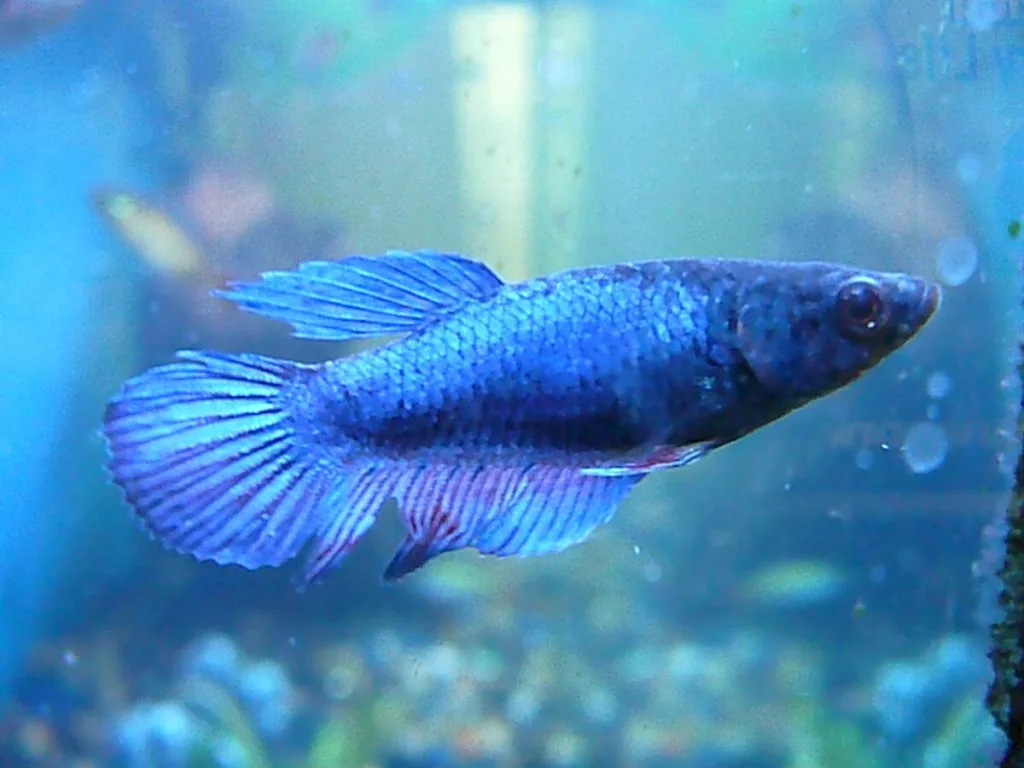
Betta fish, also known as Siamese fighting fish, are great for beginner aquarium enthusiasts. They come from freshwater habitats in Southeast Asia, Thailand, Malaysia and Indonesia.
What makes bettas so popular is their slender 6 centimeter body with red flowing fins which make them stand out in any aquarium. Unlike many other fish, they do just fine by themselves so you don’t have to worry about finding aquarium mates. On average they live 3 to 5 years and there are over 70 selectively bred varieties with unique colors and fin shapes.
If you’re keeping a betta, a 20 litre aquarium is the minimum but a 50 litre setup is better for them. Since they’re carnivorous they need a protein rich diet—specialized pellets or frozen foods like bloodworms work well. One rule to remember: never keep two male bettas together as they’re very territorial and will fight.
- Neon Tetras
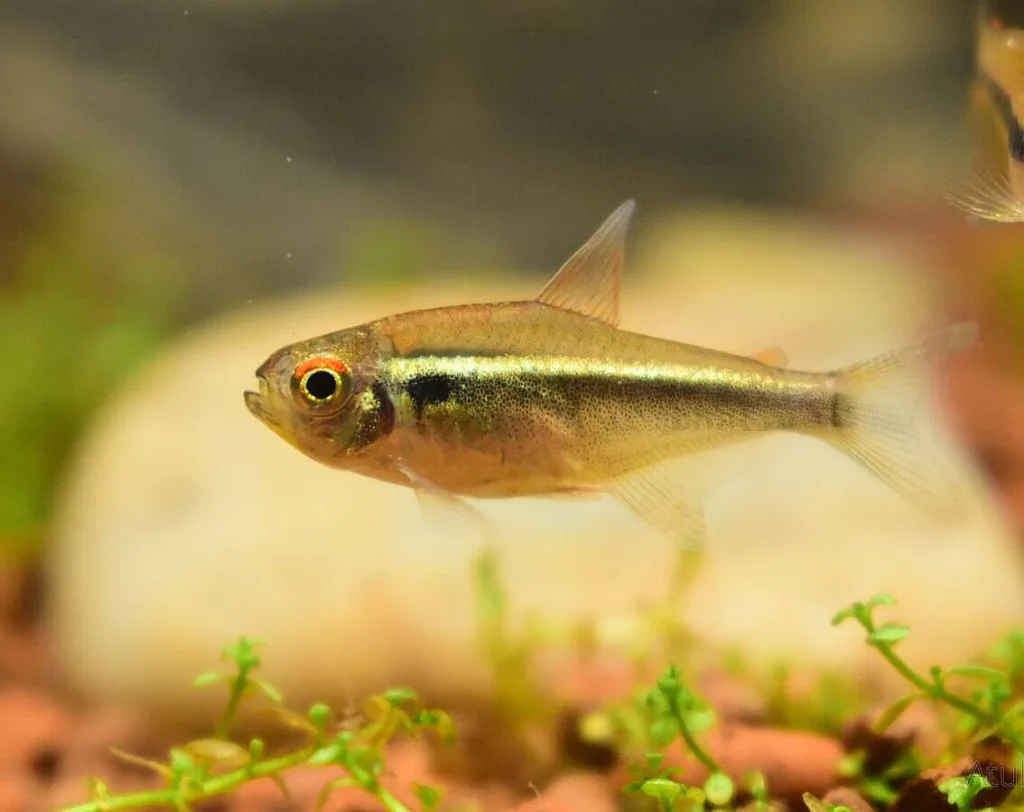
If you want a pretty freshwater fish that’s fun to watch and adds a pop of color to your aquarium, neon tetras are the way to go. These small fish grow to about 4 centimeters and are known for their blue and red stripes.
Neon tetras are very popular with around 2 million sold in the U.S. every month. They are the most common and widely available species in the tetra family making them a mainstay in the ornamental fish trade.
From the Amazon Basin, neon tetras are found in Colombia, Peru and Brazil. They are easy to care for but do best in stable water conditions. A cycled aquarium with a stable temperature is key to keeping them healthy. Since they are peaceful they do well in community aquariums with other nonaggressive fish.
- Platies
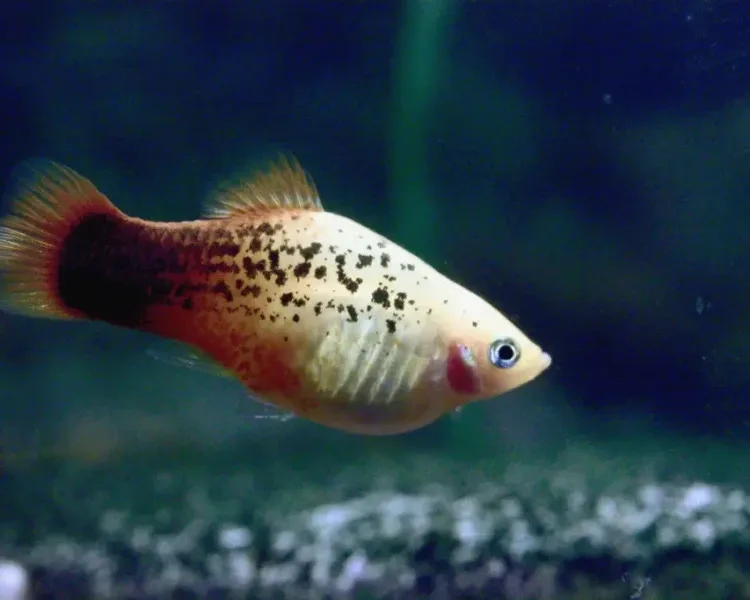
Platies, also known as Xiphophorus maculatus, are great for beginners. Like swordtails, they are small, growing to about 5 cm in length. With a 34 year lifespan, platies are hardy, colorful and adaptable to most water conditions. If you have both males and females, they can even have live offspring as they are live-bearing fish that don’t lay eggs.
These fish are from the east coast of Central America and southern Mexico. They are peaceful, social and do well in community aquariums. As omnivores, platies have a varied diet of flakes, algae wafers and even vegetables. They also love live food such as brine shrimp, daphnia and bloodworms.
A 50 liter aquarium is enough for a small group, as long as they have enough space to swim and explore.
- Corydoras Catfish
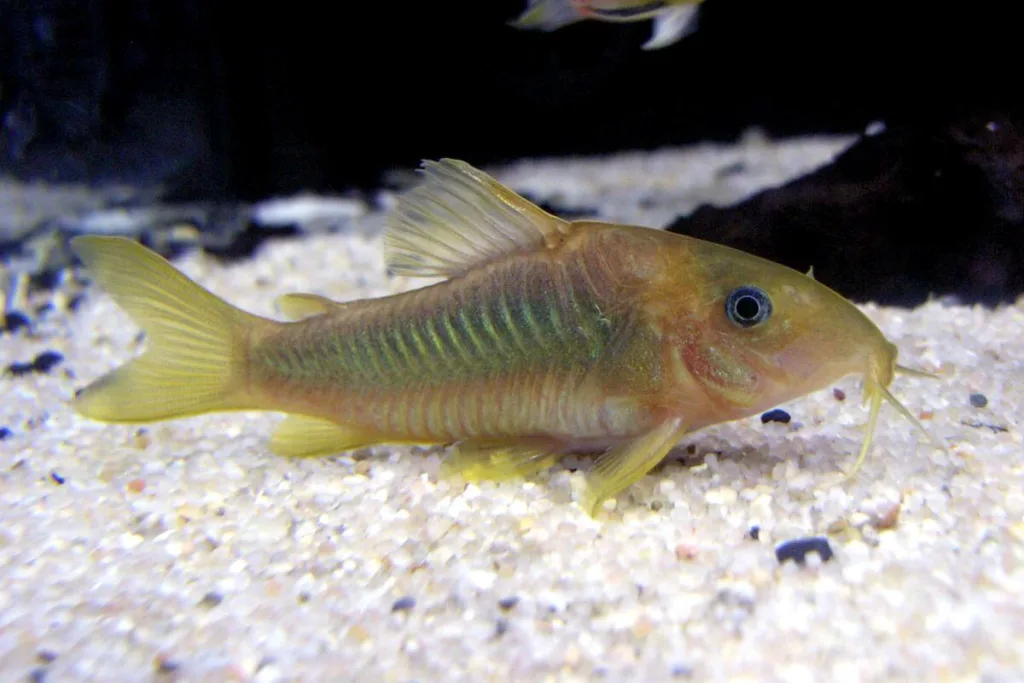
When you hear “Corydoras catfish” think of a sturdy, armored fish (just for survival). These popular freshwater aquarium fish have two rows of overlapping bony plates called scutes that run from the back of their head to the base of their tail, so they are built for survival.
There are over 150 species of Corydoras catfish, each varying in size. But most are small, growing between 2.5 – 12cm
Corydoras are not just peaceful companions but also wonderful aquarium cleaners. They will scavenge for leftover food and hard to reach debris making them valuable aquarium assistants.
To keep them happy, best to keep Corydoras in groups of 36. They love a sandy substrate which protects their sensitive barbels. A varied diet of sinking pellets, algae wafers and occasional live or frozen foods will keep them healthy and active.
Setting Up Your Aquarium for Beginner-Friendly Fish
So now that you know what fish pets to choose and come to the main point how to set up your fish aquarium:
1. Choose the Right Aquarium Size
Everyone needs space to be comfortable. It’s not any different with freshwater aquariums and your fish pets. Bigger aquariums are usually easier to maintain. A 20 litre aquarium is a good start.
2. Cycle Your Aquarium
If no one told you this, let your aquarium cycle to build good bacteria that break down waste. This takes a few weeks but is key for a healthy aquarium. The beautiful bodies of water in aquariums need this soaking style to help the fish recreate and experience something close to its underwater home.
3. Get a Good Filter and Heater
This is one of the most underrated aspects of setting up a fish aquarium. Clean water and stable temperatures are crucial for your fish’s health and wellbeing.
Investing in a reliable filter helps maintain water quality by removing waste and toxins, while a good heater ensures a consistent temperature, preventing stress and illness. A well maintained aquarium creates a stable environment where your fish can thrive.
A good temperature range for most freshwater fish is between 24° and 27°C. But you need to research the ideal temperature for the specific species you are keeping, some fish thrive in warmer waters while others prefer cooler or room temperature conditions. Ensuring the right temperature and water quality will help your fish stay healthy and active.
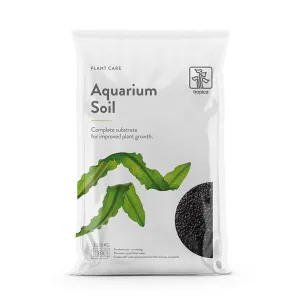
4. Add Substrate and Decor
Fish love places to hide and explore, so creating a comfortable and enriching environment is key. Adding plants, rocks and decorations not only makes the aquarium more inviting for your fish but also provides them with a sense of security.
All creatures appreciate aesthetics, and a well decorated aquarium benefits both your fish and you as the caretaker. A beautiful, thoughtfully designed aquarium can be a source of pride and motivation, encouraging you to pay extra attention to your fish’s wellbeing.
5. Monitor Water Conditions:
Regularly testing your water for ammonia, nitrites, nitrates and pH levels is essential to maintaining a safe and healthy environment for your fish. Keeping these parameters in check helps prevent stress and disease.
On a Final Note
Now that you’re ready to start your aquarium journey, don’t be too hard on yourself. You might not get everything right the first time, and that’s completely fine. Keeping fish takes patience, responsibility, and a bit of trial and error. You’ll learn as you go, and each mistake is just part of the process.
Don’t overthink it—just take it one step at a time and enjoy the experience. Wishing you all the best as you set up your aquarium!
Starting with hardy, beginner friendly fish makes things easier, and as you gain confidence, you can explore more challenging species or even try breeding. Most importantly, have fun watching your aquarium come to life!