One would think that, because of the amount of information available today—endless YouTube tutorials, starter kits, and advice from pet stores—setting up an aquarium would be simple.
But that’s exactly where most beginners get caught.
The glossy packaging and friendly advice often make it seem like all you need is a tank, a filter, some fish, and a weekend afternoon.
What no one tells you upfront is that aquariums are living, breathing ecosystems.
Tiny changes in water chemistry, overfeeding, or even picking the wrong combination of fish can throw everything off balance.
And unlike a houseplant that might just wilt quietly, a struggling aquarium is much harder to ignore and often much harder to fix once things go wrong.
This guide is here to help you avoid the most common aquarium mistakes that can turn your dream into a costly disaster.
From choosing the wrong tank size to improper water care, we’ll break down the critical missteps and how you can sidestep them. You’ll learn how to set up your aquarium correctly, maintain water quality, and choose the right fish.
By following the tips in this guide, you will save time, money, and the frustration of watching your hard work go to waste. Let’s get started.
Aquarium Mistake #1: Using an aquarium below 70 Liters
Smaller tanks may seem appealing for beginners because of the low upfront cost and space efficiency, but they can be way harder to manage than you think. A tank below 70 liters can be a nightmare for a new fishkeeper because it lacks the water volume to stabilize.
The biggest problem with small tanks is that they can’t absorb water parameter fluctuations like larger tanks can. In a small tank, even the tiniest change in water quality can have a big impact on your fish. For example, a small amount of fish waste or leftover food can cause ammonia to spike quickly, which is toxic to fish. Because the water volume is so low, it’s much harder to maintain a balance of beneficial bacteria, which are crucial in breaking down toxins in the water.
How to Avoid the Mistake of Choosing the Wrong Tank Size
Many aquarium owner beginners make mistakes because they are inexperienced and most time do not take into consideration certain things like:
- Don’t rely on “Starter Tank” labels
While many pet stores market small tanks as “starter tanks,” they aren’t always ideal for beginners. Small tanks can quickly become unstable and harder to maintain. For beginners, having a larger tank (around 70 to 100 liters) is more forgiving. It gives you more space to monitor water quality, keep fish healthy, and gives them room to swim. Larger tanks are easier to maintain in the long run, and you’ll have a more successful and less stressful aquarium experience. - Consider the Size and Number of Fish
Before buying a tank, think about the species and the number of fish you plan to keep. Some fish require more space than others. As a general rule, to choose the right aquarium capacity, consider the number and size of fish you plan to keep. A good rule of thumb is to aim for a tank that provides at least 3.8 liters of water per inch of fish. - Plan for Future Growth
It’s easy to get excited and buy a small tank because it’s cheaper or fits perfectly in your space. But keep in mind that fish grow over time, and they need more space than they did when you first purchased them. Plan for their future needs, not just their current size.
Mistake #2: Overfeeding Your Fish
When you first start fishkeeping, it’s easy to overfeed your fish. As a beginner, you think your fish are always hungry or that they need to be fed every time they swim to the surface. But overfeeding can be a big problem in your aquarium.
Fish, especially in a new environment, are very excited when you approach their tank, and it’s tempting to feed them more than they need. The problem is, fish only need a small amount of food, and they will eat more than they should if given the chance. Overfeeding means uneaten food settles at the bottom of the tank and starts to decay. This creates excess waste, high ammonia, and dirty water.
High ammonia can stress your fish and make them sick. Overfeeding can also make the water cloudy and of poor quality, making it unhealthy for your fish.
How to Avoid Overfeeding Your Fish
A good rule of thumb is to feed your fish only what they can eat in about 2 minutes, 2-3 times a day. Fish will learn the routine, so if you feed them at the same time every day (say, 7 am, 12 pm, and 6 pm), you’ll find them waiting for their meals at those times! If you see leftover food, make sure to remove it straight away to avoid any issues. By following a proper feeding schedule, you can have a cleaner, healthier tank, and your fish will be much happier.
Mistake #3: Adding Fish Too Soon (Skipping the Nitrogen Cycle)
One of the biggest mistakes new aquarium owners make is adding fish to a brand-new tank without waiting for it to cycle.
The nitrogen cycle is the process of breaking down toxins like ammonia in your tank. Fish poop and uneaten food break down into ammonia, a toxic substance that can harm or kill your fish if left unchecked. The nitrogen cycle involves good bacteria that convert ammonia into nitrites, then into nitrates, which are less toxic and can be removed through water changes.
Without a cycled aquarium, your fish are exposed to toxic levels of ammonia and nitrites, which can stress them, cause disease, or kill them.
This takes 2 to 6 weeks and is essential for a healthy environment. Without it, your fish are at risk of New Tank Syndrome.
When a tank cycles, beneficial bacteria grow in your filter and substrate. These bacteria convert toxic ammonia (from fish waste and decaying food) into nitrite and then into nitrate. This is the nitrogen cycle and is key to keeping your fish healthy.
Adding fish too early can overwhelm the tank before the bacteria have established. This causes ammonia and nitrite spikes, which can kill or stress your fish.
Four Signs That Your Aquarium Tank Isn’t Cycled
If your tank isn’t cycled, you’ll see a few warning signs:
- Cloudy Water – This means too much bacteria or algae growth due to unbalanced water conditions.
- Fish Showing Stress – Fish gasping for air, erratic swimming, or acting weird are signs of ammonia or nitrite poisoning.
- Frequent Fish Deaths – If fish are dying soon after being introduced, your tank isn’t cycled, and they’re probably dying from toxins.
- High Ammonia or Nitrite – A basic water test kit will show you if ammonia or nitrite levels are through the roof.
How to Avoid the Mistake of Skipping the Nitrogen Cycle
Cycling your aquarium takes patience, but it’s crucial for the long-term health of your tank. Here’s how:
- Fill with water and turn on the filter.
- Add ammonia – To start the cycle, you’ll need to add ammonia to the tank. You can do this by adding a small amount of fish food or using a bottled ammonia solution.
- Wait for bacteria to grow – The bacteria will grow in your tank over 4-6 weeks. During this time, test your water for ammonia, nitrites, and nitrates. Use an aquarium test kit to check your water parameters.
- Monitor the cycle – You will see ammonia first, then nitrites, and nitrates. Once both ammonia and nitrite are zero and nitrates are under 30 ppm, it’s safe to add a few fish.
Even after cycling is complete, don’t add a full tank of fish at once. Add just a few and give your tank at least a week to adjust before adding more. This will prevent sudden imbalances and give your bacteria time to adapt.
Mistake #4: Overcrowding Your Aquarium
Overcrowding your aquarium is one common mistake aquarists often make. Even if you have cycled and your fish seem healthy, adding too many fish can lead to long-term trouble. It’s no different from packing a crowd into a small room. You know how uncomfortable that can be. Each fish produces waste, consumes oxygen, and needs space to swim and establish territory.
Why Overcrowding Is a Problem
Overcrowding your aquarium puts stress on both your fish and the overall environment. More fish means more waste, which can lead to poor water quality. If you don’t have enough filtration to manage the excess waste, ammonia, and nitrites can build up, harming your fish.
Also, as more fish are added to a tank, the oxygen levels can quickly drop. This can lead to your fish gasping for air or even suffocating in extreme cases.
How to Avoid Overpopulating Your Aquarium
Avoid the trap of cramming in “just one more.” Instead, plan your stock list carefully and take into account the adult size of each species, their activity level, and their compatibility. It’s better to understock and have a thriving, peaceful tank than to overstock and constantly battle water problems.
The “inch-per-3.8 liters” rule says you can keep one inch of fish per 3.8 liters of water in your tank. For example, a 76-liter tank can hold about 20 inches of fish. Sounds simple enough, right? Wrong! This rule doesn’t take into account fish species, swimming habits, and waste production.
To avoid overcrowding your aquarium, it’s essential to understand the needs of the fish you’re keeping. How do you do this?
Research Fish Species
Researching the specific species of fish you want to include is key, as different species require varying amounts of space. Some fish, especially larger or more active species, are better suited for bigger tanks, while smaller, more sedentary fish may be fine in a more compact environment.
Different species of fish have vastly different needs. Some fish are more active and need more space to swim; others are bottom dwellers and take up less vertical space. Fish that produce more waste can pollute a tank in no time, even if it seems big enough based on the inch-per-3.8 liters rule.
It’s also important to consider the behavior of the fish, not just their size. Active or schooling fish, such as tetras or barbs, need more space to swim freely. On the other hand, more stationary fish like bettas or certain bottom-dwelling species don’t require as much swimming space. By understanding their natural habits, you can provide the appropriate environment for each fish.
Increase the Number of Fish in Your Aquarium Gradually
Another crucial step in preventing overcrowding is adding fish gradually. Don’t rush the process by adding all of your fish at once. Introduce them slowly to give your filtration system time to adjust to the added bioload. Overloading the system too quickly can lead to water quality issues, which can negatively affect the health of your fish.
Make sure your filtration system is powerful enough to handle the number and type of fish you intend to keep. A high-quality filter plays a vital role in maintaining clean water and reducing the risks of overcrowding.
Lastly, consider the shape of your tank. While the size of the tank is important, the dimensions are equally critical. A longer tank provides more horizontal swimming space for your fish than a tall tank, which might not give them the room they need to do well.
Mistake #5: Mixing Incompatible Fish in Your Aquarium
Not all fish are meant to be roommates. Some like company; some prefer solitude. Some are chill; some are a little too bold. Mixing the wrong personalities can turn your peaceful tank into a stress zone.
Different fish have different temperaments. Aggressive fish can nip fins, chase others, and dominate the tank. Timid species will hide all the time or stop eating if they’re constantly being bullied.
Common Issues:
- Mixing territorial species (like cichlids) with docile fish.
- Placing slow-moving or long-finned fish (like bettas) with fast, nippy ones (like tiger barbs).
- Combining fish that prefer different water parameters.
How to Avoid Mixing Incompatible Fish in Your Aquarium
The first rule here is to do your research. Google or browse the needs of each species of fish, or you could speak to experts or send enquiries to professionals in the aquarium business. Some sites like Fishbase and Fishlore have an extensive database about fish care, compatibility, etc.
For example, stick to peaceful community fish like guppies, tetras, cory catfish, and platies if you’re just starting out. These species generally get along well and adapt to similar water conditions.
Before introducing new fish, research their needs and behaviors. Are they schooling fish (which do better in groups) or loners? Do they need hiding spots? Do they swim near the surface or the bottom?
You need to know their feeding habits. Some fish are herbivores, while some are carnivores. Putting them together could lead to competition for food or malnutrition. Also, there are free tools and apps to check for fish compatibility in your aquarium.
Mistake #6: Not Changing the Aquarium Water Regularly
One of the most common mistakes beginner hobbyists make—and one that can be fatal for your fish—is neglecting to change the water regularly. That’s because clear water doesn’t necessarily mean clean water. Over time, fish waste, uneaten food, and plant debris break down, releasing those nasty substances like ammonia, nitrite, and nitrate into the water.
Even the best filter can’t remove all that waste, especially the toxic stuff. Don’t wait for the water to turn cloudy or develop that awful smell. Regular water changes are what keep your aquarium environment healthy. They help dilute and remove those toxins, keeping your fish safe. Without those routine changes, water quality can go downhill fast. That stress can make your fish more susceptible to illness and, in extreme cases, death.
You might not see the signs of trouble right away. Fish may start to act lethargic, lose their color, or stop eating altogether. You might also notice algae blooms or cloudy water. Those are usually the first signs that your tank needs attention.
How to Avoid the Mistake of Not Changing the Aquarium Water Regularly
To keep your fish happy and healthy, change about 20-30% of the water every week. Use a gravel vacuum to remove debris that settles at the bottom. And always condition your tap water to remove chlorine and other chemicals before adding it back to the tank.
Regular water changes are that simple, low-maintenance task that pays off with a healthier tank and thriving fish. When you make them a part of your routine, you can be sure your fish are living in a clean, balanced environment. And that’s where the magic happens.
Mistake #7: Using a Filter Smaller Than Your Aquarium
Many aquarium owners make the mistake of buying a filter that’s too small for their tank. It may seem like a cheaper option, but it can lead to big problems, especially poor filtration and water quality.
A filter that’s too small will struggle to cope with the waste produced by your fish, plants, and other tank inhabitants. It won’t be able to remove excess debris, uneaten food, or organic waste.
As a result, toxins like ammonia, nitrites, and nitrates will build up in the water. These are not only bad for your fish but also for the ecosystem, increasing the risk of disease and algae growth. The water will become cloudy and polluted, putting unnecessary stress on your fish.
Fish living in these conditions will be more stressed, their immune systems will be weakened, and they’ll be more susceptible to infections. All of which leaves you overwhelmed with problems.
Chronic exposure to high toxin levels can cause severe health problems and, in extreme cases, it can be fatal. Maintaining an aquarium with poor water quality is a constant battle—you’ll have to do more frequent water changes and cleaning to try and compensate for the inefficiencies of the filter.
How to Avoid Using a Filter Smaller Than Your Aquarium
To avoid this, always choose a filter that’s big enough for your tank. A filter should be able to process the entire tank volume at least 4 times an hour. If your tank is heavily stocked, consider a more powerful filter that can handle the increased waste load. Proper filtration is not only for water clarity but also for a stable and healthy environment for your fish.
For example, if your aquarium is between 70-120 liters in size, then your filter should be able to move at least 380 liters of water per hour (LPH).
That’s because a good rule of thumb is that your filter should clean all the water in your aquarium at least 5 times every hour. So for 70 liters, 5 times that is 380 LPH.
For saltwater aquariums, the flow needs to be stronger because saltwater systems usually house more sensitive fish and coral that depend on steady water movement.
In that case, your combined water flow from the filter, pump, and any wave-makers or powerheads should be around 380 to 760 LPH for a 70-liter tank. This keeps the water oxygenated, removes waste, and helps mimic the natural current found in the ocean.
How to Set Up an Error-Free Aquarium
Now that we’ve established the common aquarium mistakes and how to avoid them, what’s the right way to do it? How can anyone without previous experience with aquariums set up an error-free aquarium?
Here are the must-have tools and resources for new aquarists:
- Tank & Stand: The base of any aquarium setup. Choose a size based on the number of fish and the space in your home. Bigger tanks are easier to manage, so don’t go too small!
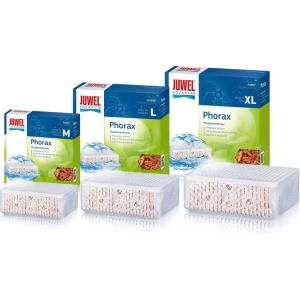
- Filtration: A good filter keeps the water clean and toxin-free. This is one of the most important tools for a healthy tank. Look for one that suits your tank size and the type of fish you’re going to keep.
- Heater: For tropical fish, temperature is everything. A good-quality aquarium heater will keep your fish comfortable no matter what the outside temperature.
- Test Kits: Water quality is everything. Test kits for pH, ammonia, nitrites, and nitrates will help you monitor your water conditions. Getting the balance right is key to preventing fish stress and disease.
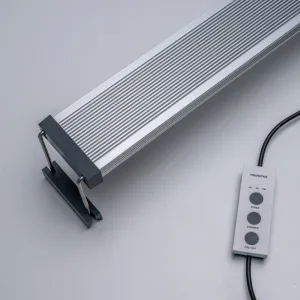
- Lighting: The right lighting makes your aquarium look great and supports plant growth if you’re keeping live plants. Make sure you have a timer to keep the lighting consistent.
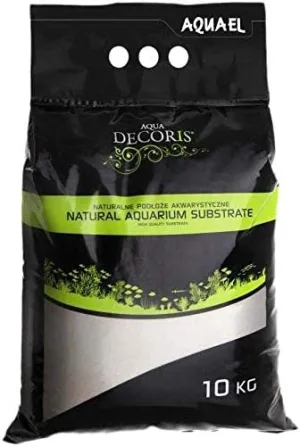
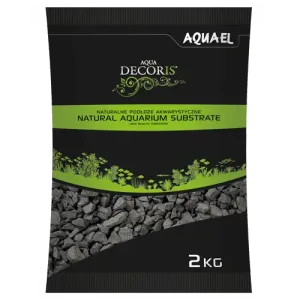
- Substrate (Gravel/Sand): The substrate not only looks good but also anchors plants and provides a surface for beneficial bacteria to grow.
- aquarium Decor and Plants: Adding plants and decorations will mimic a fish’s natural environment and reduce stress. Live plants will also absorb excess nutrients from the water.
Educational Resources For More Insight
Keeping an aquarium is a lifelong learning process, and thankfully, there’s a treasure trove of resources to help you along the way. Whether you’re just starting out or looking to deepen your knowledge, here are some tools that will make your aquarium journey smoother and more fun.
Apps & Websites
- The Aquarium Co-Op App: Great for beginner aquarists. It has advice on everything from tank setups to equipment and fish care. The app is user-friendly and breaks down the information into easily digestible chunks, so managing your aquarium is easy and stress-free.
- Fishbase: A must-have for in-depth information on different fish species. This global database has details on nearly every fish species you can think of, including care requirements, behaviors, and compatibility.
- Aquarium Advice Forum: A space where passionate aquarists from all over the world share tips, troubleshoot problems, and provide solutions.
Final Thoughts
No one is perfect, and mistakes are part of the learning process. Many new aquarists make the mistake of overfeeding or failing to cycle their tanks properly before adding fish. It’s okay to make mistakes, but learn from them! The more you understand about your fish and their environment, the fewer mistakes you’ll make in the future.
If you’re unsure about something, don’t hesitate to reach out to other aquarists or consult online resources. There’s a strong community of aquarium enthusiasts out there who are always willing to share their experiences.
That being said, are you a new aquarist or a pro? We’d love to hear about your aquarium experiences! Whether you’ve had your fair share of mistakes or are looking for tips, drop your questions or share your success stories in the comments below.