So, you’re thinking about getting some fish. Maybe you’ve seen a friend’s aquarium, or perhaps you just love the idea of having a little underwater world in your home. Whatever the reason, you’ve come to the right place. If you want a fish that is colorful, easy to take care of, and full of personality, then the platy fish is a perfect choice. Platy fish are some of the most popular fish in the aquarium hobby, and for good reason. They are incredibly hardy, which means they can handle small mistakes that beginners often make. They are peaceful, so they get along with many other fish. And they come in a rainbow of colors, from bright red and gold to deep black and silver.
These little fish are also fascinating to watch. They are active swimmers and are always busy exploring their tank. Plus, they are livebearers, which means they give birth to live babies instead of laying eggs. This can be a really exciting experience for a new fish keeper.
This guide is here to help you every step of the way. We will cover everything you need to know to keep your platy fish happy and healthy. By the end, you will feel confident and ready to start your own platy fish adventure.
Getting Started – The Perfect Platy Tank
Before you bring your new fish home, you need to set up their home first. Getting the tank right from the start is the most important thing you can do for your fish.
How Big Should the Tank Be?
A common mistake new fish owners make is buying a tank that is too small. For a small group of platies, you should have a tank that is at least 10 gallons. However, many experts recommend starting with a 20-gallon tank or even larger.
Why bigger? A larger tank is actually easier to take care of. In a small tank, the water can get dirty very quickly. A bigger tank has more water, which means that the water conditions stay more stable. This gives you more time to notice if something is going wrong. It also gives your platies plenty of room to swim around and explore.
Setting Up the Tank
Once you have your tank, it’s time to set it up. Here are the basics you will need:
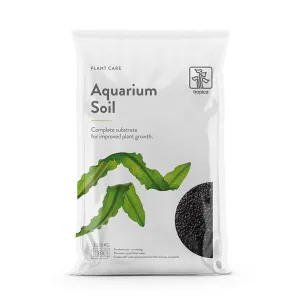
- Substrate: This is the material that goes on the bottom of the tank. Gravel or sand are great choices.
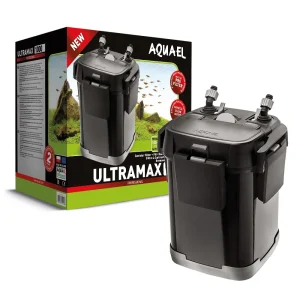
- Filter: A filter is essential. It cleans the water and keeps it healthy for your fish. Look for a filter with gentle flow, as platies don’t like strong currents.
- Heater: Platies are tropical fish and need warm water. A heater will keep the water at a steady, comfortable temperature for them.
- Thermometer: You need a thermometer to make sure the heater is working and the water is the right temperature.
- Lighting: Tank lighting is recommended to keep a regular day and night cycle for your fish.
- Decorations and Plants: Platies love a tank with lots of places to hide. You can use live plants, which are the best, or artificial plants. Adding decorations like caves or driftwood also gives them shelter. Make sure to leave some open space for swimming too.
Water Conditions – Getting the Chemistry Right
Platies are very adaptable, but they do best in certain water conditions. You should test your water regularly to make sure it is safe. Here are the ideal numbers to aim for:
- Temperature: Keep the water between 70°F and 80°F (21°C to 27°C).
- pH Level: The pH measures how acidic or basic the water is. Platies prefer a pH between 7.0 and 8.0.
- Water Hardness: This refers to the amount of minerals in the water. Platies like water that is a little hard. A good range is between 9 and 19 dH.
- Ammonia and Nitrite: These are dangerous chemicals that come from fish waste. In a healthy tank, the levels of ammonia and nitrite should always be zero.
- Nitrate: This is another waste product, but it is less toxic. Still, you want to keep nitrate levels below 20 mg per liter.
The Nitrogen Cycle (Very Important!)
This is one of the most important things to understand. You cannot just fill a tank with water and add fish. You first need to “cycle” the tank. This means growing good bacteria in your filter. These bacteria are invisible, but they are the heroes of your aquarium. They eat the dangerous ammonia and nitrite and turn them into less harmful nitrate.
Cycling a tank takes time, usually a few weeks. You can do this by adding a small amount of fish food to the empty tank and letting it break down. This will feed the bacteria and help them grow. You will need a water testing kit to monitor the levels of ammonia, nitrite, and nitrate. Once the ammonia and nitrite levels are zero, your tank is cycled and safe for fish.
Feeding Your Platy Fish
Platies are not picky eaters at all. In fact, they will eat almost anything that fits in their mouths. This makes feeding them very simple.
What to Feed Them
In the wild, platies eat a mix of plants and small animals. This makes them omnivores. You should give them a similar diet in your tank.
Staple Food: A high-quality flake food designed for tropical fish should be their main diet. This gives them all the basic nutrients they need.
Treats: To keep them extra healthy and colorful, you can give them treats a few times a week. Good treats include:
- Live or frozen brine shrimp: These are like tiny shrimp that fish love.
- Bloodworms: These are another favorite treat for fish.
- Vegetable matter: Platies also need plants in their diet. You can give them spirulina flakes, or even small pieces of blanched (lightly boiled) vegetables like spinach or zucchini.
How Much and How Often to Feed
A good rule is to feed your platies once or twice a day. Only give them as much food as they can eat in about two to three minutes.
It is very important not to overfeed your fish. Any food that is not eaten will sink to the bottom and rot. This will make the water dirty and could make your fish sick. If you see food left over after a few minutes, you are giving them too much. Next time, give them a little less.
Breeding Platies
If you have both male and female platies, you will almost certainly have baby fish. They are famous for breeding easily. This can be a really fun part of keeping platies, but it’s good to know what to expect.
How to Tell Males and Females Apart
It’s easy to tell the difference between male and female platies. Look at the fin on their belly, right near their tail. This is called the anal fin.
- Male: A male platy has a long, pointy anal fin that looks like a thin stick. This special fin is called a gonopodium, and he uses it to fertilize the female.
- Female: A female platy has a fan-shaped anal fin. Females are also usually a little bigger and rounder than males, especially in the belly area.
The Breeding Process
Platies are livebearers. This means that instead of laying eggs, the female gives birth to live, free-swimming babies.
- Pregnancy: Once a female is fertilized, she will be pregnant for about 24 to 35 days.
- Gravid Spot: You can tell a female is pregnant by looking for a dark spot near her anal fin. This is called the gravid spot. It gets bigger and darker as the babies inside her grow.
- Birth: A female platy can give birth to anywhere from 20 to 50 babies at one time. And she can do this about once a month!
Caring for the Babies (Fry)
Adult platies will eat their own babies. It’s a sad fact of fish life, but it’s natural. If you want to save the babies, you need to give them a safe place.
- A Separate Tank: The best way to protect the babies is to move the pregnant female to a separate “nursery” tank just before she gives birth. Once she has the babies, you can move her back to the main tank and raise the babies in the nursery tank.
- Lots of Plants: If you don’t have a separate tank, you can add lots of thick plants to your main tank. Plants like Java moss provide great hiding places for the babies. Some of them will be able to hide from the adults and survive.
- Feeding the Fry: Baby fish need to eat special food that is very small. You can buy special “fry food” in powder or liquid form. They can also eat crushed-up flake food.
Choosing Tank Mates
Platies are very peaceful fish. They are a great choice for a community tank, which is a tank with many different kinds of peaceful fish.
Good Tank Mates
Many peaceful fish can live happily with platies. Here are some of the best choices:
- Other Livebearers: Guppies, mollies, and swordtails are all great friends for platies.
- Tetras: Small tetras like Neon Tetras are good choices.
- Rasboras: These are another small, peaceful fish.
- Corydoras Catfish: These are peaceful fish that live at the bottom of the tank. They are very gentle and get along with everyone.
- Danios: Fish like Zebra Danios are active and peaceful.
- Shrimp: Some peaceful shrimp can also be kept with platies.
Fish to Avoid
You should never keep platies with aggressive or large fish that could bully or eat them. Avoid these kinds of fish:
- Cichlids: Almost all cichlids are too aggressive to keep with platies.
- Large Barbs: Some barbs can be fin-nippers, which means they bite the fins of other fish.
- Any Fish That Can Eat Them: This might seem obvious, but any fish big enough to eat a platy is a bad tank mate.
Important Rule: The Male-to-Female Ratio
If you are keeping males and females together, it is very important to have more females than males. The males will constantly chase the females to try to breed with them. If there is only one female, she can get very stressed out from all the attention.
The golden rule is to keep at least two females for every one male (a 1:2 ratio). This spreads the male’s attention around and keeps the females much happier and healthier.
Conclusion
Caring for platy fish is a wonderful hobby that anyone can enjoy. They are the perfect beginner fish because they are colorful, active, peaceful, and very forgiving of small mistakes. By following this guide, you have all the knowledge you need to create a thriving underwater world. Remember the most important points: get a big enough tank, cycle it properly before adding fish, keep the water clean and at the right temperature, and feed them a good diet. If you decide to breed them, be prepared for lots of babies! And when choosing friends for them, stick to other peaceful fish and keep that 1:2 male-to-female ratio.
Taking care of platies is not just about keeping fish alive; it’s about creating a beautiful, peaceful environment where they can thrive. Watching them swim and interact is a relaxing and rewarding experience. You are not just a fish owner; you are becoming an aquarist, and you are starting a journey that can bring you joy for years to come. Have fun, and welcome to the wonderful world of fish keeping