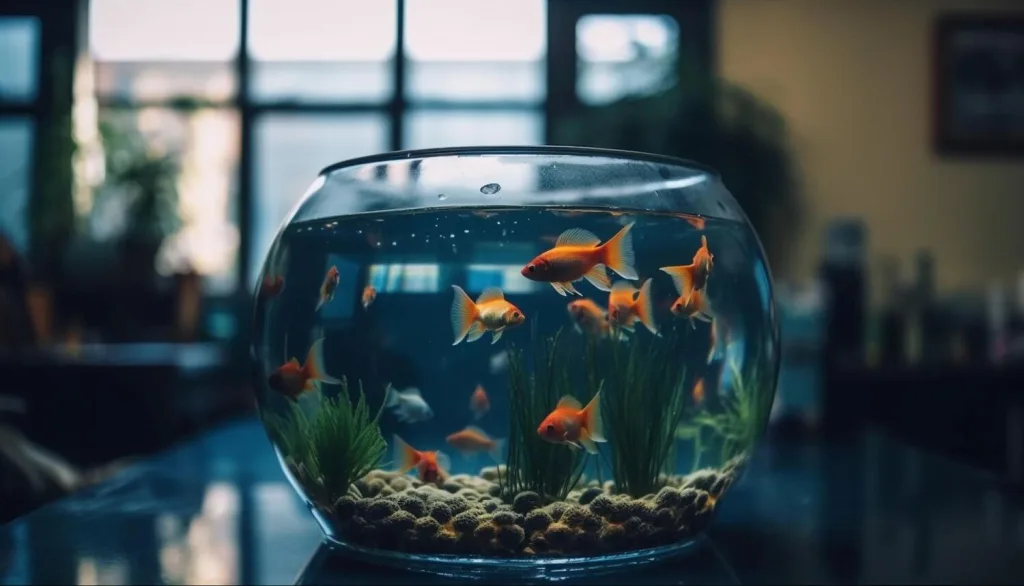
Hey, you just got your aquarium tank. You are excited about having freshwater fish in your home — from the popular goldfish (the classic aquarium star), which requires more space than most people think, to the betta fish known for its vibrant colors, or the super colorful guppies, which are a beauty to watch.
But wait a minute — you’ve done your research and realized that water from your swimming pool or faucet just won’t do when it comes to your aquarium. You’ve heard of pH levels in your tank and how varying levels can affect the health of your fish. One morning, you notice that the fish begin acting weird, seem a little skittish, and look like they’re gasping for breath.
After thorough research, you realize that the problem is the pH levels in your fish tank. An unstable pH balance is harming your fish, which need stable water conditions to thrive.
Now you’re faced with the problem of checking pH levels. It seems confusing at first, even though it doesn’t have to be a hassle.
If you’re a new aquarist who believes and understands that stable water equals healthy fish, this guide is for you.
Here, I’ll show you what pH in water means — how to test it and ensure you have stable water day in and day out, where your fish can thrive, stay healthy, and remain stress-free.
Let’s dive right in.
What is pH, and Why Should Aquarium Owners Care?
pH (Potential of Hydrogen) refers to the amount or intensity of acidity or alkalinity in a substance — in this instance, your aquarium water. pH gauges the amount of acidity or alkalinity in your aquarium tank. It’s a scale from 0 to 14 — 0 implies excess acidity, while 14 indicates high alkaline content. The trick is to find the right aquarium pH balance.
Most of the time, freshwater fish thrive in a range of 6.5 to 7.5, while saltwater fish require 8.0–8.4. This simply means: the lower the pH, the more acidic the water; the higher the pH, the more alkaline the water. A pH of 7 usually means stable water.
Why Does pH Balance in Aquariums Matter?
Fish are sensitive creatures, and even a small pH change can stress them out. While many freshwater fish can survive within the range of 6.5 to 8.0, sudden changes can be stressful — or even fatal. This is because pH fluctuations can affect your fish in the following ways:
- Gill function: Fish breathe through their gills, and unstable pH can make it difficult for them to breathe, causing stress and even suffocation.
- Metabolism: pH levels affect how well fish process food and nutrients. An imbalance can slow or stress their digestive system.
- Reproduction: Many fish won’t breed in unstable water. Even when they do, their eggs often don’t thrive due to aquarium imbalance.
- Toxic waste: Ammonia is a common waste product in aquarium tanks, and it becomes more toxic in unstable water — even at low concentrations.
Common Signs of Aquarium pH Imbalance (How to Know Something Is Off)
You feed your fish as usual, but you notice they’re not jumping at the food. They seem sluggish, are hiding behind plants, or you find some gasping near the surface. This often indicates a change in the pH levels — and your fish are feeling the effects. So, you’ll need to test immediately.
How to Test pH in Your Aquarium (Step-by-Step)
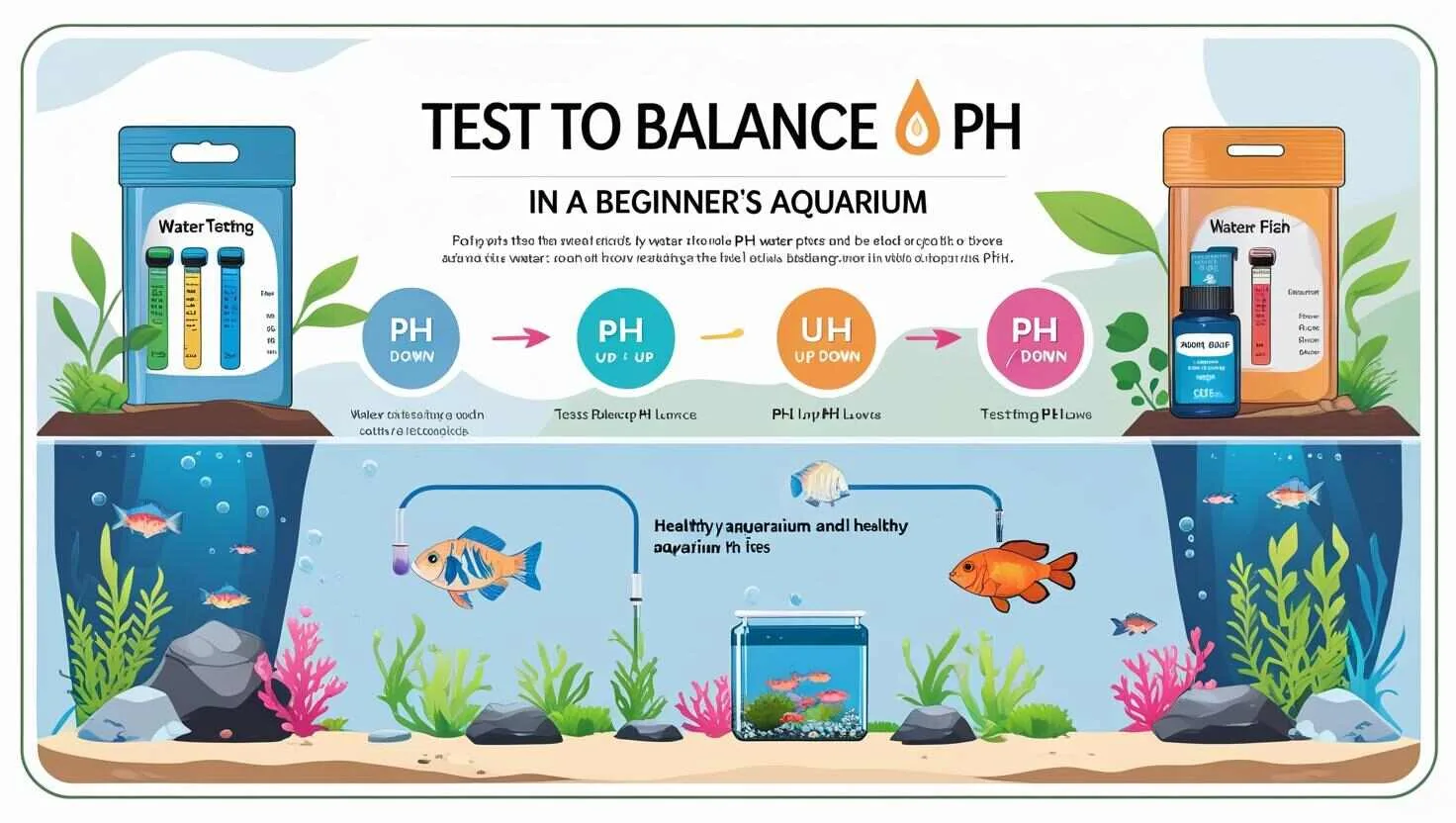
There are three major ways to test for stable water or appropriate pH levels in your aquarium: the liquid test, test strips, or electronic pH testers. Here’s a quick step-by-step guide.
(1) The Liquid Test
Popular opinion among aquarists says the liquid test is the most reliable and advisable for newbies. This test works by adding a chemical reagent to the water sample, then comparing the result with the chart or manual that comes with the test. It’s widely believed to be more accurate than other types of pH tests and can detect high or low ranges in pH levels.
(2) The Use of Test Strips
These are strips laced with chemicals that change color when dipped into water. Based on the color code, you can determine the pH level of your aquarium water.
Steps to use test strips:
- Fetch some water from your aquarium using a clean container.
- Dip the test strip into the sample (not reagent — that’s for the liquid test).
- Wait for the recommended time.
- Compare the color result to the chart provided and note it down. This is your aquarium’s pH level.
- To spot a trend, test your pH before and after every water change.
pH Fluctuations in Your Tank
The pH in your aquarium can change naturally due to photosynthesis during the day. At night, lowered CO2 and respiration can also drop the pH. The real issue is abrupt shifts, which can shock the fish and be harmful.
Common Mistakes in Aquarium pH Maintenance
Now you know pH levels are key to the survival of your fish collection. If you’re new to aquariums, here are some common mistakes most beginners make:
(1) Switching pH Too Quickly
Fish are extremely sensitive to abrupt changes in their environment. Any sudden shift in pH can shock their system and cause harm. Always make pH changes gradually and set a routine — even a phone reminder can help ensure stability.
(2) Over-Reliance on Chemicals
It’s tempting to fix pH levels using store-bought pH solutions, but overuse can disrupt the water’s natural balance. Use pH chemicals cautiously and try to address the root cause of any pH swing.
(3) Fixing the Symptom, Not the Problem
A pH problem is often a symptom of something deeper — like rotting food, waste buildup, or too much CO2 from plants. Clean your tank regularly. Not every rock, crushed coral, or decoration is safe. Aesthetics are great, but not at the expense of your fish.
(4) Using Old Testing Kits
Testing kits expire. Change them regularly and document your readings. If you begin to see odd results, it’s probably time to replace your kit.
(5) Assuming All Fish Thrive in the Same pH
Different fish species have different needs. What’s great for a guppy could be harmful to a goldfish. Always check with the store and adhere to the recommended pH for each species.
How to Keep pH Levels Stable Long-Term
Here are some quick tips to ensure stable water for the long haul:
- Test your pH levels weekly and change your water frequently.
- Avoid overfeeding, as leftover food leads to waste buildup.
- Clean your tank regularly and use a consistent water source.
- Always test the water before and after every water change.
Conclusion
Testing pH levels can feel daunting at first, but it becomes second nature with small steps — consistent testing, using the right kits, cleaning regularly, and doing water changes. With time and practice, you’ll get the hang of it and keep your fish safe and healthy.
FAQS About Aquarium pH
What is pH, and why does it matter in an aquarium?
pH, which means potential Hydrogen, checks or measures the extent of acidity or alkaline content in water. Fish need stable water to thrive and stay healthy.
How to balance and test pH in a fish tank?
Use a liquid test indicator kit. Take some water from your aquarium and add the liquid test to the water, and compare the result with the pH chart. You can balance the results with pH level balance drops that gradually.
What are the signs of low pH in a fish tank?
Excessive algae growth is one of the signs of low pH levels in tanks. Alongside,stressed-looking fish are usually playing at the bottom of the tank, floating on the surface.
How to check water pH in an aquarium without a kit?
There are quite a number of ways to check pH levels without a test kit. However, for beginners and the safety of your fish, its best to use a commercial test kit.
What pH should my aquarium have?
For freshwater fish, the recommended pH levels are 6.5-7.5. While for saltwater fish, the recommended pH level is between 8.0-8.5.
What causes pH to change in an aquarium?
One of the most common causes is the CO₂ levels from plants, crushed corals, waste, or decaying food.
How do I maintain a stable pH?
Change your water regularly-make sure to test the water after each change, and avoid overfeeding.