Fish can become ill even if their aquarium is kept really clean and tidy.
Generally, diseases are not something to which fish can suddenly become vulnerable. Physical symptoms and behavior changes usually start out so subtly that it is easy to miss them, especially if you are a beginner. A tiny white dot. A slightly torn fin. A fish that stops joining the group.
If you understand what you are seeing and if you get started early, it is a world of difference.
This tutorial has the breakdown of the 5 most frequent fish diseases in aquariums: their identifying characteristics, the factors that lead to them, and the ways in which you can safely and successfully treat your fish without harming your plants or beneficial bacteria.
Why Do Aquarium Fish Get Sick?
Fish are a part of a closed ecosystem. Unlike in the wild, they can’t escape pathogens or poor water conditions.
Disease usually appears when something weakens a fish’s immune system, such as:
- Poor water quality (ammonia, nitrite, unstable pH)
- Unexpected changes in temperature
- Confinement and stress due to overcrowding or bullying
- New fish are brought in without being quarantined first
- Inadequate nutrition
In most aquariums, bacteria or parasites are usually present in very low numbers in most fish tanks. Healthy fish resist them. Stressed fish often cannot.
The 5 Major Signs of Disease (And What They Mean)
1. Whitespot (Ich) – Small White Dots on Body and Fins
The most famous and frequent disease in the hobby is Ichthyophthirius multifiliis, commonly known as Whitespot or Ich.
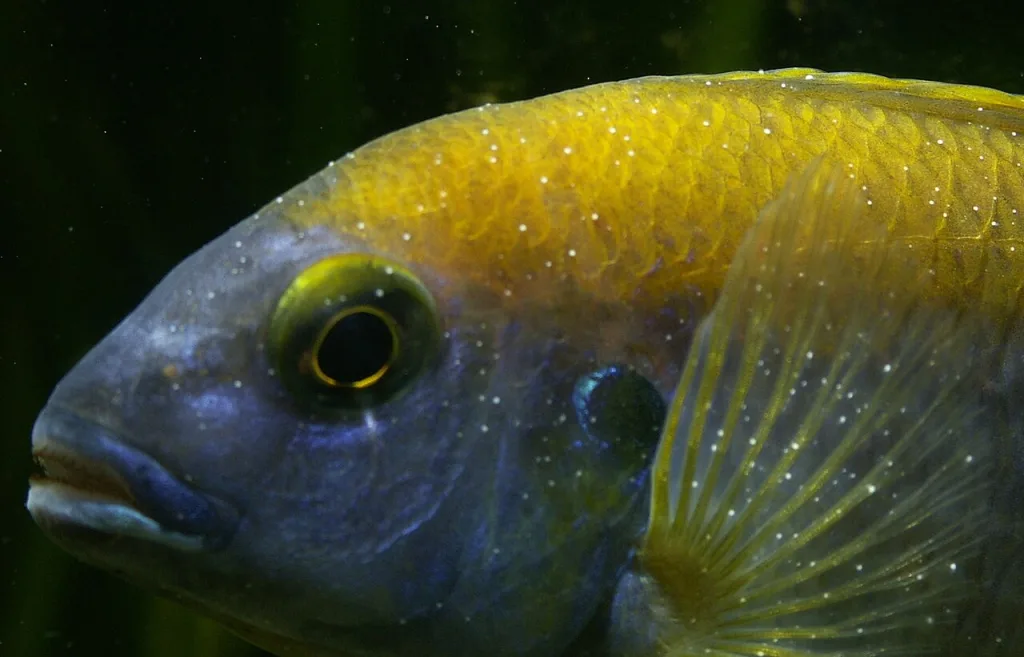
What this Fish Disease looks like:
Tiny white grains that look like salt or sugar scattered on fins and body.
Early warning signs:
- Fish rubbing against rocks or substrate (“flashing”)
- Loss of appetite
- Increased hiding
Why Whitespot is dangerous:
Ich attacks both skin and gills, making it highly contagious and capable of interfering with breathing.
How To Treat Whitespot:
Treat with a specific anti-parasite medication such as eSHa EXIT. Slightly raising water temperature if species permit can hasten the parasite life cycle, therefore enabling more effective treatment.
2. Fin Rot – Frayed or Deteriorating Fins
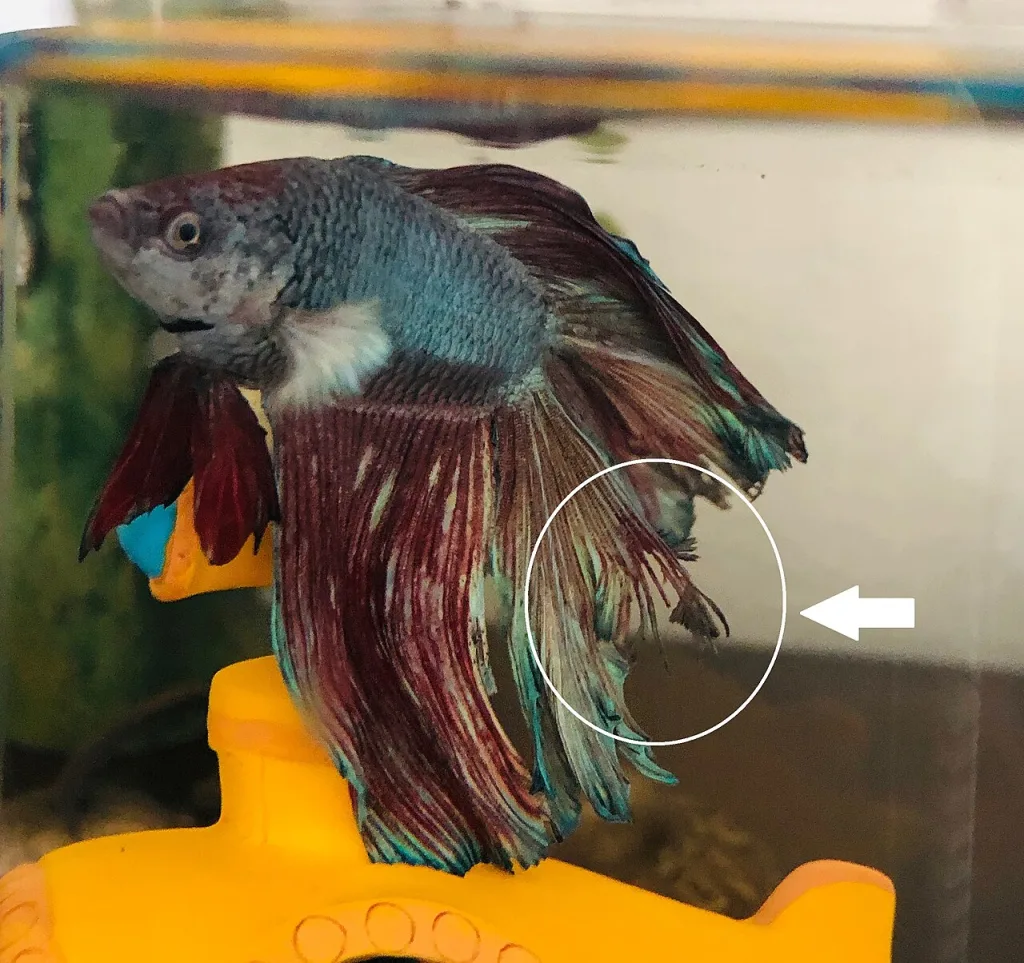
What this Fish Disease looks like:
Fins appear ragged, torn, or shortened. Edges may become white or red.
Common causes of Fin Rot:
Usually a bacterial infection, often brought on by poor water quality, or injury.
Why fast treatment matters:
If left unmedicated, it can cause the infection to spread further toward the fin base and become life-threatening.
How To Treat Fin Rot:
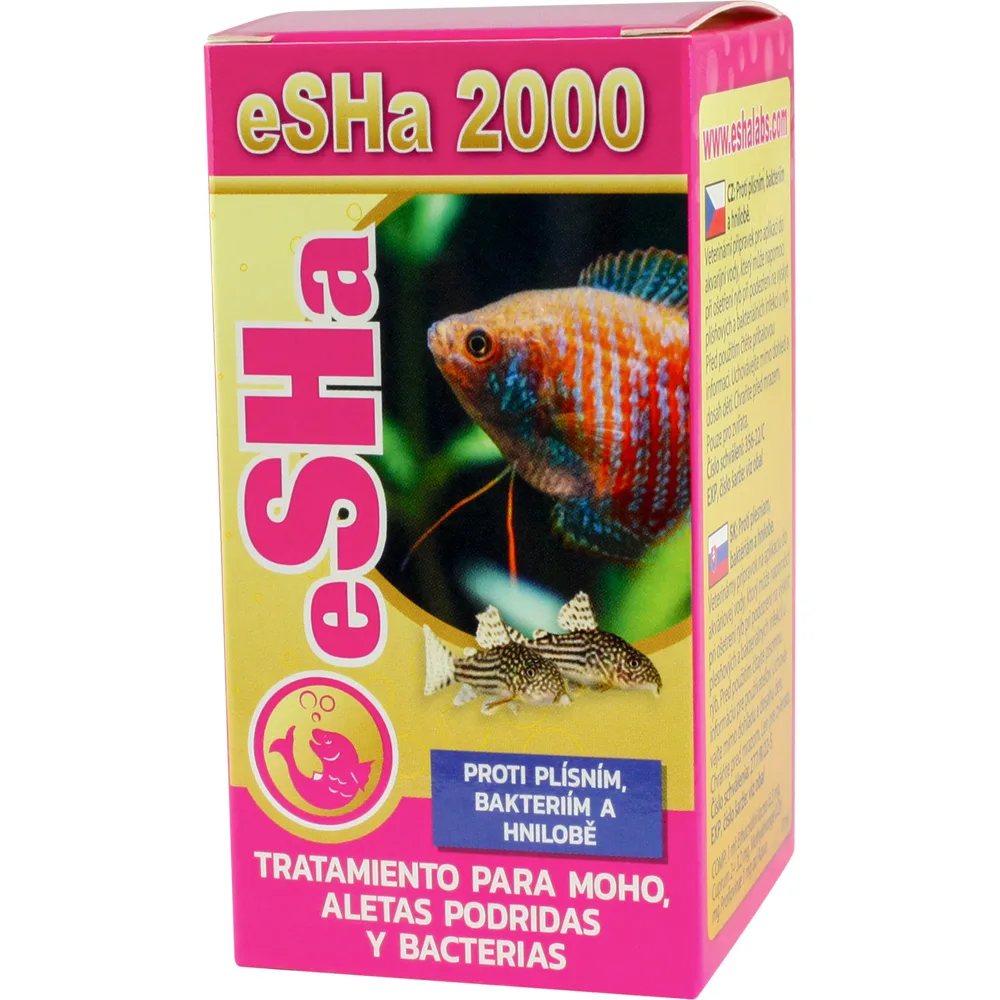
Do a 30–50% water change to begin with and follow with a broad-spectrum antibacterial medication like eSHa 2000. Activated carbon should be removed during treatment.
3. Velvet Disease – Fine Gold or Rust Colored Dust
Often mistaken for Whitespot, Velvet (Oodinium) is smaller and more dangerous.
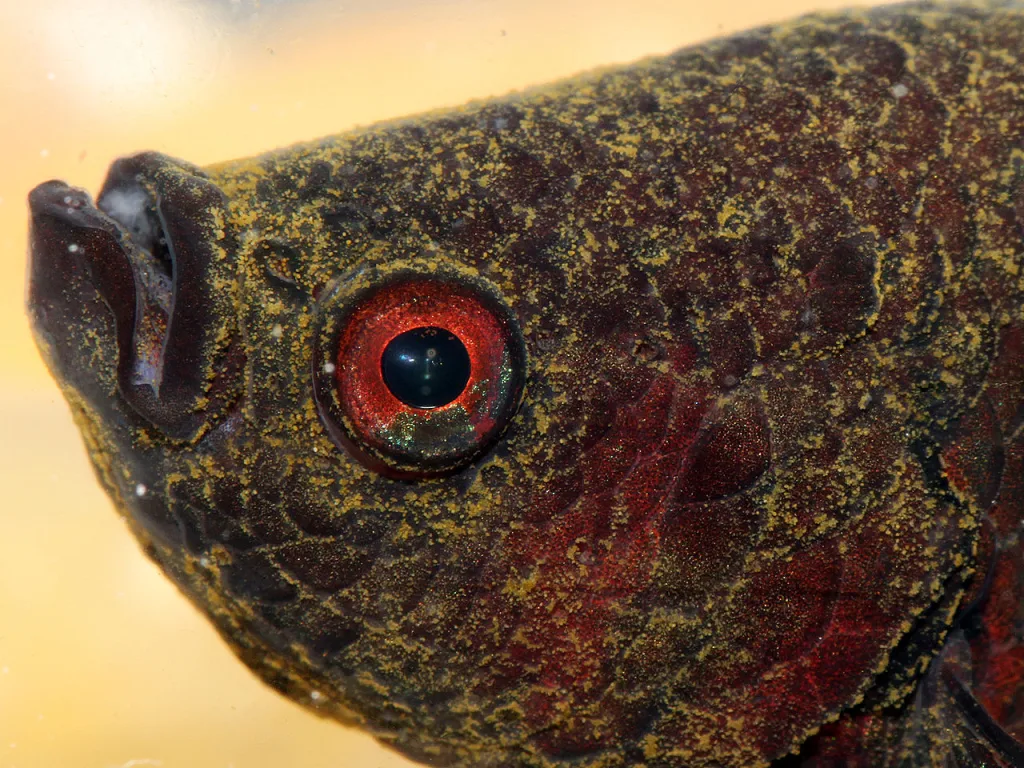
What Velvet Fish Disease looks like:
Skin appears covered with fine gold or rust-colored dust. Fish may look slightly dull or lethargic.
Key Symptoms:
- Clamped Fins
- Rapid breathing
- Staying near filter outflow
Why it’s serious:
Velvet also targets the gills early on, which can impair their ability to breathe.
How To Treat Velvet Fish Disease:
Use an anti-parasitic medication like eSHa EXIT and dim the lights during treatment, as the parasite relies partly on light.
4. Internal Parasites & Hole-in-the-Head Disease (Common in Discus and Cichlids)
Not all diseases are visible on the skin. Internal parasites are silent killers.
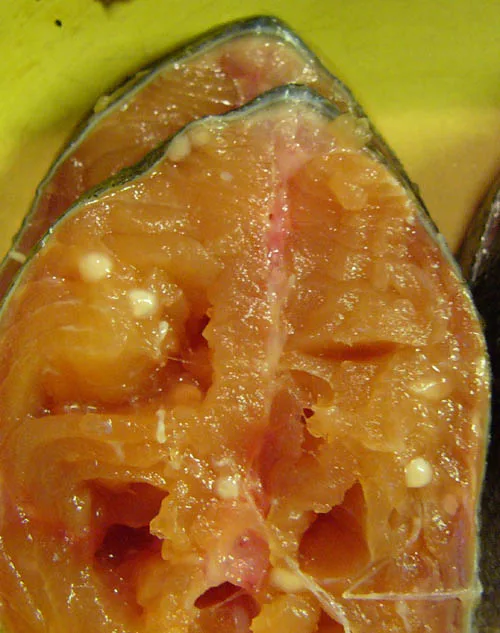
What this fish disease looks like:
Fish may become thin despite eating normally, developing a sunken or hollow belly over time. A very common early warning sign is long, white, stringy feces.
In cichlids like Discus and Angelfish, advanced diseases can cause Hole-in-the-Head disease, with small depressions appearing on the head and alongside the lateral line.
What Causes It?
Hole-in-the-Head disease is a multifactorial process that is closely related with various internal protozoan parasites like Hexamita (Spironucleus). However, the parasite by itself is not always the sole cause.
Outbreaks are usually linked to:
- Chronic stress
- Poor water quality
- Nutritional deficiencies
- Weakened immune system
- Wild-caught fish or recently imported fish
Some fish species may carry a low level of the protozoan disease Hexamita without any signs of the disease. The disease is contracted when the fish’s immunologic defenses are compromised.
Why Early Treatment Matters:
Internal infections often progress slowly, yet the condition can become severe. As nutrients are no longer absorbed, the fish becomes weakened, which makes recovery more challenging.
Once visible head lesions appear, the condition is already advanced: so acting at the stage of weight loss and abnormal feces greatly improves success rates.
How To Treat Hole-in-the-Head Disease:
Internal infections can worsen quickly if ignored. Early treatment is key.
- Hexamita & Hole-in-the-Head (Discus, Angelfish): use eSHa HEXAMITA, a special fish formula which can be used on most tropical and cold-water fish species. May be used preventively on high-risk species and in combination with eSHa gdex.
- Worms & Flukes: Use eSHa gdex, which is safe and effective against internal parasites such as flatworms, gill flukes, and tapeworms, without harming plants, shrimp, and beneficial bacteria.
5. Gill Flukes – Breathing Problems With Normal Water Parameters
If the water parameters are perfect (no ammonia), but fish are gasping at the surface, suspect gill flukes.
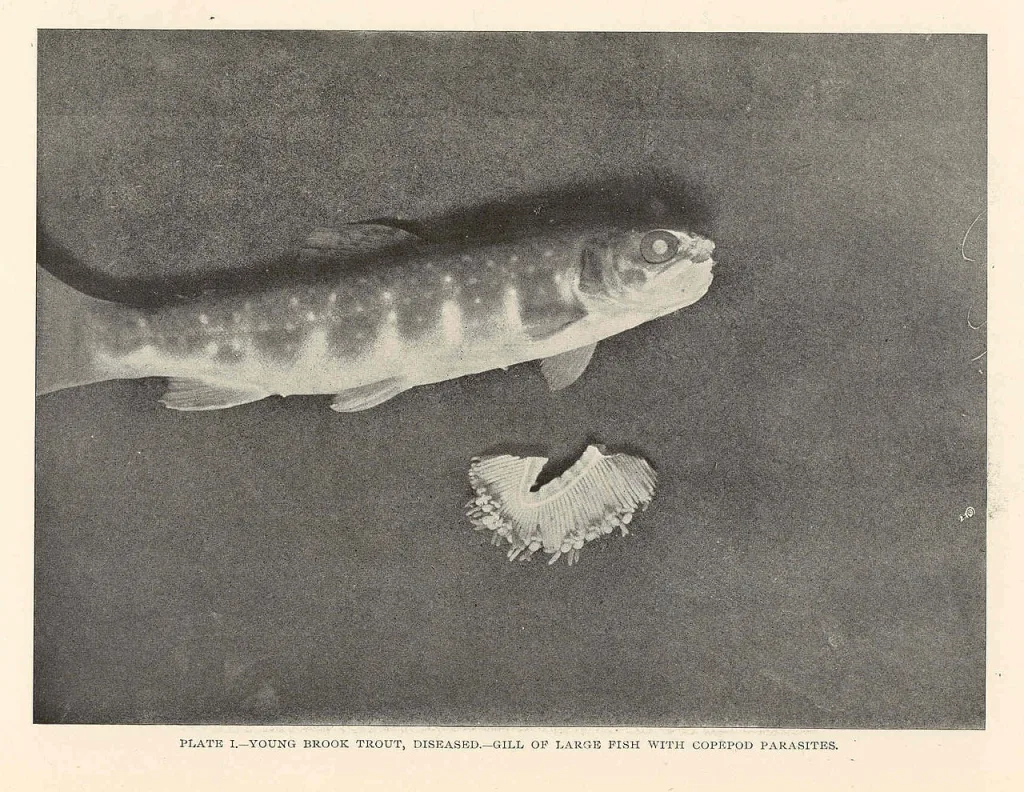
What this fish disease looks like:
Red or Inflamed Gills. One gill cover might be moving more than the other.
Important distinction:
If fish are gasping but ammonia and nitrite are 0 ppm, parasites like gill flukes are a strong possibility.
Why fast action is critical:
Reduced oxygen intake from gill damage may be fatal if left untreated.
How To Treat Gill Flukes:
Use eSHa gdex, which is effective against gill and skin flukes and is safe for shrimp.
Fast Action Plan: What To Do Immediately
When you notice symptoms, follow a calm and structured approach:
Step 1: Test Water Parameters
Always suspect ammonia and nitrite spikes first. Water quality can sometimes resemble disease.
Step 2: Perform a Partial Water Change
A 30–50% water change reduces stress and improves medication effectiveness.
Step 3: Removing Chemical Filter Media
Activated carbons and resins, which can absorb medication, should be removed.
Step 4: Dose Precisely
You need to carefully follow the instructions provided by the manufacturer. Most treatments last 3 consecutive days.
Step 5: Monitor Closely
Watch for changes in respiration, swimming, and the formation of lesions. Avoid heavy feeding during treatment.
Can Treatments Be Combined?
Some medications, such as eSHa 2000 and eSHa EXIT, are designed to be used together. This is useful when parasites cause secondary bacterial infections.

Avoid mixing random brands without checking compatibility first.
Frequently Asked Questions (FAQ) About Fish Disease
Q: Do I Need to Quarantine Sick Fish? A: If possible, yes. A hospital tank prevents spreading and allows more controlled treatment. However, highly contagious diseases like Ich often require treating the entire display tank.
Q: Are These Medications Safe for Plants? A: Most modern treatments are plant-safe when used correctly. Always read the label before dosing.
Q: My fish still have spots after 3 days. What do I do? A: For persistent Whitespot (especially at lower temperatures), the lifecycle of the parasite is slower. You can extend the treatment of eSHa EXIT for a few more days until spots disappear.
Q: Will Medication Kill Beneficial Bacteria? A: Quality treatments such as eSHa 2000 and EXIT are formulated to spare beneficial filter bacteria, so you typically do not need to restart your nitrogen cycle.
Q: How Can I Prevent Fish Diseases? A: Quarantine new fish for 2–3 weeks; Maintain stable water parameters; Perform regular water changes; Feed a varied, high-quality diet; Avoid overcrowding. Important: Prevention is always easier, and cheaper, than treatment.
Final Thoughts
The first and most important thing when keeping fish is observation. Even minor changes may be major indicators.
Therefore, most common diseases can be fully managed by early detection and timely treatment with proper medications.
Healthy aquariums are based on consistency, stability, and informed actions.
Don’t wait until it’s too late. If you see a sign, treat it. A swift reaction with the right product can save your entire tank.
Disclaimer: Always read the label and product instructions carefully before use.
Image Credits:
- Fish with white spot disease (Ichthyophthiriasis) – Wikimedia Commons
- Betta fish with fin rot (deteriorated fins) – Wikimedia Commons
- Fish affected by velvet disease (golden dust on skin) – Wikimedia Commons
- Fish with internal parasites – Wikimedia Commons
- Young fish with gill flukes (damaged gills) – Wikimedia Commons