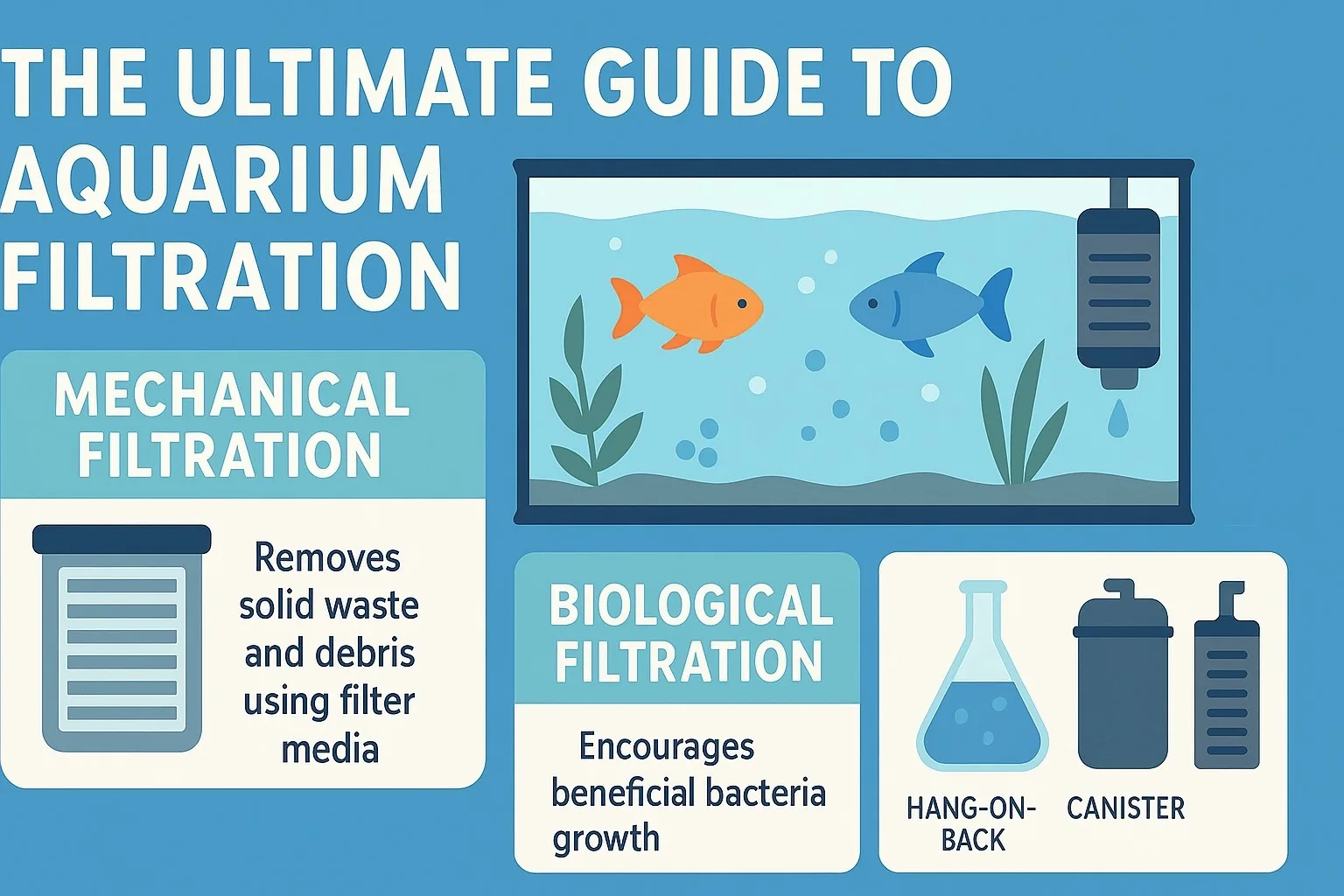
If you’ve ever stared at your aquarium wondering why the water looks cloudy despite regular maintenance, you’re not alone. Many aquarists face the same frustration: filters that promise crystal-clear water but end up leaving debris behind, or worse, become a nightmare to clean. Choosing the right filtration system is one of the most important decisions in fishkeeping, especially if you want a healthy, low-maintenance, and algae-free planted aquarium.
In this guide, we’ll break down how filtration really works, what to look for when buying a filter, and which systems deliver on their promises.
Why Filtration Matters
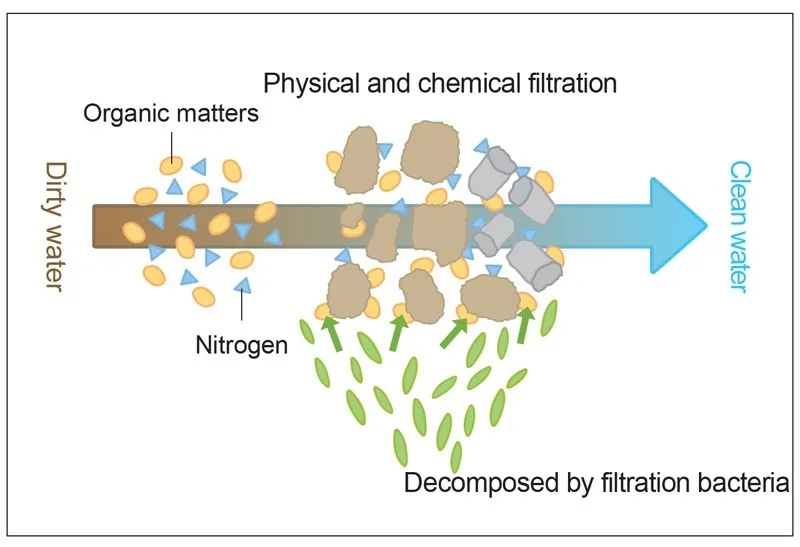
Every aquarium filter has three essential roles, each equally important for maintaining balance in your tank:
1. Nitrification – The Biological Backbone
Ammonia, produced by fish waste and decomposing matter, is highly toxic and fuels algae blooms. A good filter houses billions of beneficial bacteria that convert ammonia into nitrite and then nitrate, a process known as the nitrogen cycle. Without this, your tank would quickly become uninhabitable.
2. Water Circulation – The Lifeline for Plants and Fish
Filtration isn’t just about cleaning water; it’s about moving it. Proper circulation ensures CO₂ and nutrients reach every plant, prevents debris from settling, and maintains stable oxygen levels for fish.
3. Water Treatment – The Physical Cleanup
While bacteria handle invisible toxins, filters also physically trap solid waste and debris. This keeps the water visually clear and reduces the workload during maintenance.
The Truth About Filters: Not All Are Created Equal
Manufacturers often exaggerate their filters capabilities. Specs like “suitable for aquariums up to 200L” can be misleading because they don’t consider real biological needs. For example, a filter may technically move enough water per hour, but if the filter media volume is too small, biological performance suffers.
Here are key criteria to look for in a reliable filter:
- Turnover rate: Aim for a filter that turns your aquarium’s volume 5–10 times per hour. For smaller nano tanks (20–30 litres), even 20–25x circulation isn’t too much.
- Filter media volume: Should be at least 4–5% of your aquarium volume. For nanos, aim for up to 10%. Quality media like ceramic rings or sintered glass make a huge difference.
- Ease of maintenance: If cleaning feels like a chore, you’ll avoid it leading to water quality issues. Look for filters with removable baskets and quick-disconnect taps.
Build quality & reliability: A cracked tap or leaking hose can flood your living room. Trusted brands like Aquael and OASE are popular because they’ve been tested for decades.
Types of Aquarium Filters
When shopping for a filter, you’ll encounter three main designs. Each has its pros and cons:
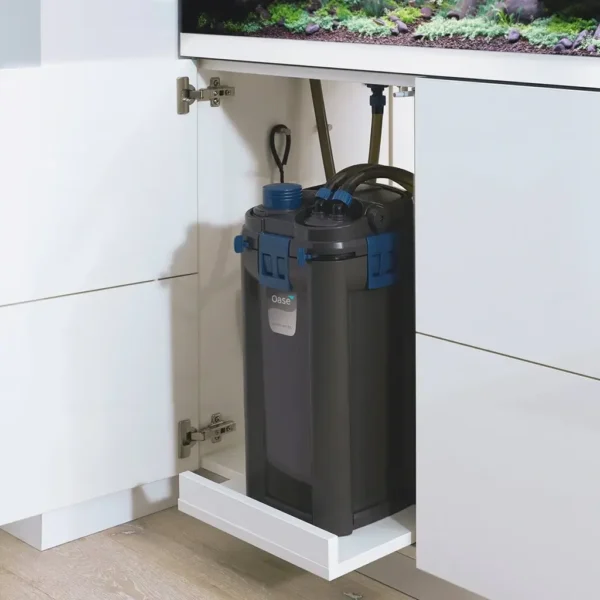
External (Canister) Filters
- Best for: Medium to large aquariums, planted setups, high bio-load tanks.
- Pros: Large media volume, high flow, customizable.
- Cons: More expensive, take up space outside the tank.
Example: Aquael Ultramax or OASE Biomaster – reliable, easy to maintain, and long-lasting.
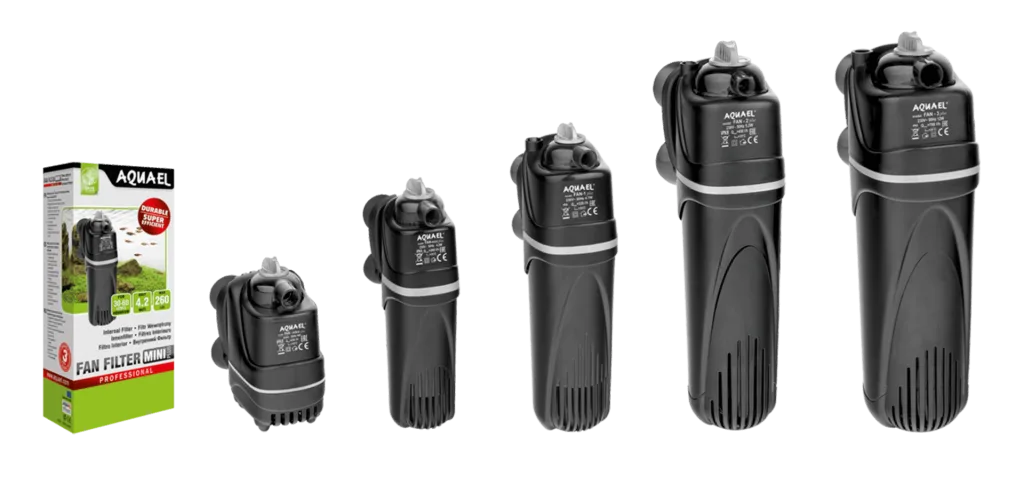
Internal Filters
- Best for: Small aquariums, beginner setups, quarantine tanks.
- Pros: Easy to install, budget-friendly.
- Cons: Limited media volume, take up tank space.
Example: OASE BioPlus and Aquael Filter Fan
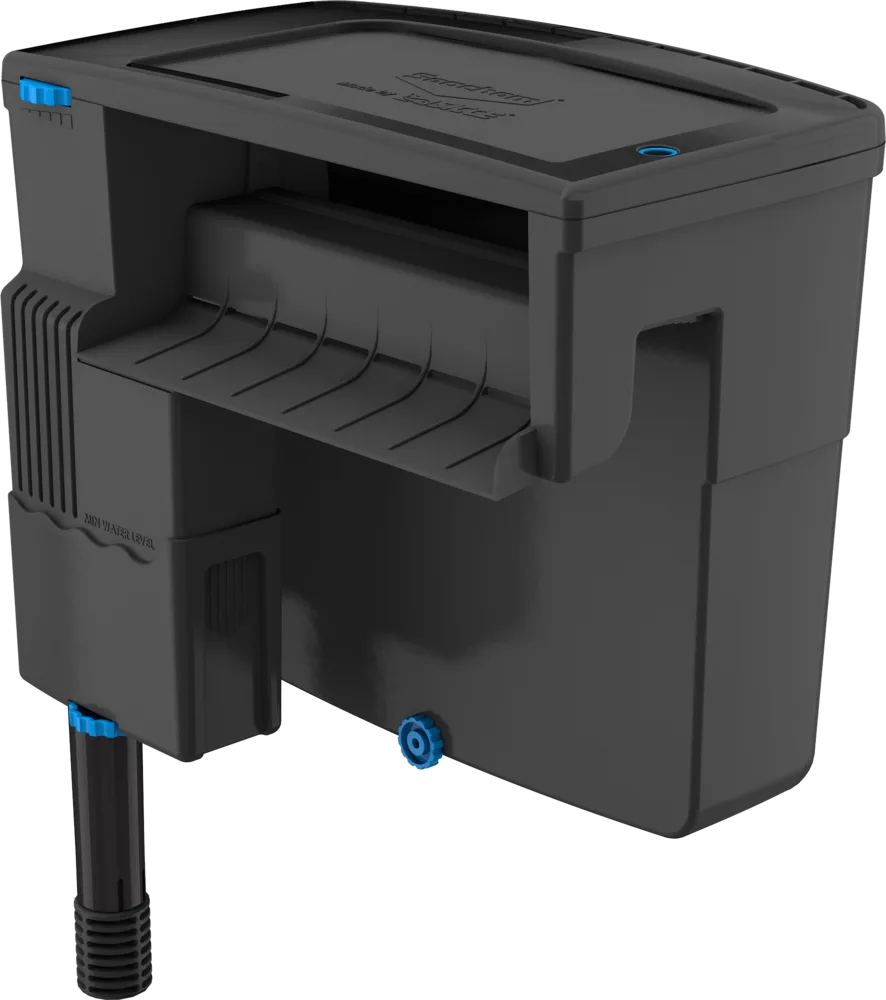
Hang-on-Back (HOB) Filters
- Best for: Small to medium tanks, hobbyists who want easy access.
- Pros: Compact, easy to maintain, no hoses to worry about.
- Cons: Usually less biological capacity than canisters.
Example: Oase Biostyle, Aquael FZN Pro, Seachem Tidal
Avoiding the Most Common Mistakes
- Undersizing your filter – Don’t rely on manufacturer “maximum tank size” ratings. Instead, calculate based on turnover rate and media volume.
- Neglecting maintenance – Even the best filter clogs over time. Clean it every 4–8 weeks, depending on your bioload.
- Fearing high flow – Many beginners worry that a strong filter will “blow their fish around.” In reality, even small aquariums benefit from higher circulation, as long as the flow is diffused with spray bars or lily pipes.
Choosing the Best Filter for Your Aquarium
So, which filter keeps your water pristine without daily cleaning? The answer depends on your aquarium size, budget, and goals.
- For nano tanks (20–40L): A small external like the Oase Filtosmart or a high-capacity HOB works perfectly. Don’t fear oversizing.
- For medium aquariums (60–100L): A canister filter with at least 7x turnover and 5% media volume ensures stability.
- For large aquariums (100L+): Invest in a reliable canister from Aquael or OASE. The upfront cost saves endless headaches later.
Final Thoughts
A filter is the heart of your aquarium. It’s not just about keeping water clear it’s about sustaining life, preventing algae, and making your aquarium easier to maintain. Cutting corners with filtration almost always leads to frustration. Instead, invest in a high-efficiency, reliable filter that offers strong biological capacity and easy maintenance.
After all, the best aquariums are the ones you enjoy—not the ones you’re constantly scrubbing.