Dreaming of a stunning underwater world in your living room? A vibrant tank where colorful fish of all shapes and sizes swim peacefully together? That’s the magic of a community aquarium, and you’ve come to the right place to learn how to build one.
A community tank is a carefully chosen collection of different, compatible fish species living in harmony. Unlike a biotope aquarium, which strictly replicates a specific natural habitat, a community tank is your chance to be an artist, mixing and matching species like Angelfish from Brazil and Gouramis from Southeast Asia to create a living mosaic.
But a beautiful tank is more than just a random assortment of pretty fish; it’s a balanced ecosystem built on purpose. For generations, the community tank has been the gateway to the aquarium hobby, captivating beginners and advanced aquarists alike with its universal appeal. Success requires a bit of research and planning, but the reward is a peaceful, thriving aquarium that brings endless joy and wonder. This guide will give you the knowledge you need to turn that dream into a reality.
The 5 Golden Rules for a Peaceful Aquarium
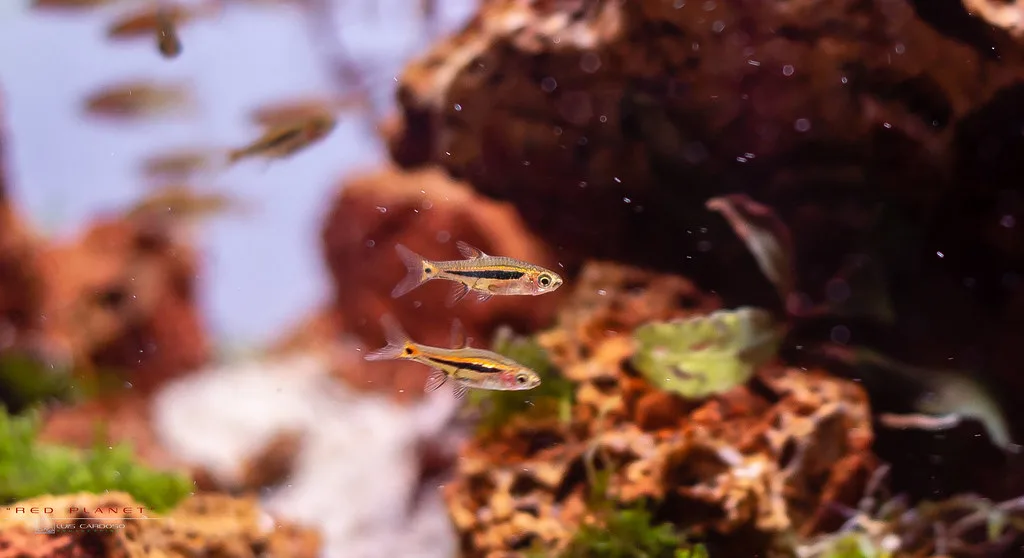
The secret to a successful community tank isn’t luck, it’s research. By understanding a few core rules of compatibility, you can prevent chaos and create a stable, stress-free environment for your fish.
Rule #1: Temperament is Key
Fish behavior is complex. While many are labeled “peaceful,” some have quirks that can cause trouble. Some species are notorious fin nippers and will relentlessly harass slow-moving or long-finned tank mates. Tiger Barbs and Serpae Tetras are classic examples, often targeting the beautiful fins of Guppies or Angelfish.
Aggression often stems from natural instincts. Fish may become territorial to defend food, a favorite hiding spot, or a potential breeding area. This isn’t just a carnivore thing; even some algae-eaters will fiercely guard their patch of green. Understanding these motivations helps you design a tank that minimizes conflict.
Rule #2: Plan for Their Adult Size
That tiny, cute fish at the store won’t stay tiny forever. A classic hobbyist saying holds true: “If a fish can fit into another fish’s mouth, it will eventually end up there.” Before you buy, you must look up the adult size of every fish you’re considering. That adorable baby Angelfish will grow up and see your Neon Tetras as a snack.
The common “one inch of adult fish per gallon” rule is a very rough starting point and should be used with caution. Wide-bodied fish like Angelfish and highly active swimmers need more space and produce more waste than slender tetras. Territorial fish also require significantly more room to establish their domains and reduce conflict.
Rule #3: Match the Water Chemistry
Fish from different parts of the world are adapted to different water conditions. Forcing them into the wrong environment causes chronic stress and illness. The three most critical parameters you must match are pH (acidity/alkalinity), GH (General Hardness or mineral content), and Temperature.
For example, many popular Tetras from the Amazon love soft, acidic water, while African Cichlids from the Rift Lakes need very hard, alkaline water. While many captive-bred fish are more adaptable, stability is what matters most. Fish are more stressed by sudden changes than by conditions that are slightly off but consistent. Most common community fish will do well in a stable temperature of 22-27°C and a pH between 6.0 and 8.0.
Rule #4: Use the Whole Tank
Your aquarium has three distinct zones: top, middle, and bottom. A well-planned tank has fish that live in each level, which prevents overcrowding and creates a more dynamic and visually engaging display. A classic, balanced setup includes top-dwelling Danios, mid-dwelling Tetras, and bottom-dwelling Corydoras Catfish. Each group occupies its own niche, leading to a harmonious and active tank at all levels.
Rule #5: Set Up and Stock Strategically
Your tank’s layout is a powerful tool for managing behavior. Rocks, driftwood, and plants aren’t just for looks; they break up lines of sight to reduce territorial disputes and provide crucial hiding spots for shy fish.
The order in which you add fish is also critical. Add your most peaceful and smallest fish first. Let them get comfortable for a few weeks before introducing any larger or semi-aggressive species. This prevents one fish from immediately claiming the whole tank as its territory. When adding a new territorial fish, rearranging the decor can help reset established territories and give everyone a fair chance at finding a new spot.
The Life of the Party: Ideal Schooling Fish
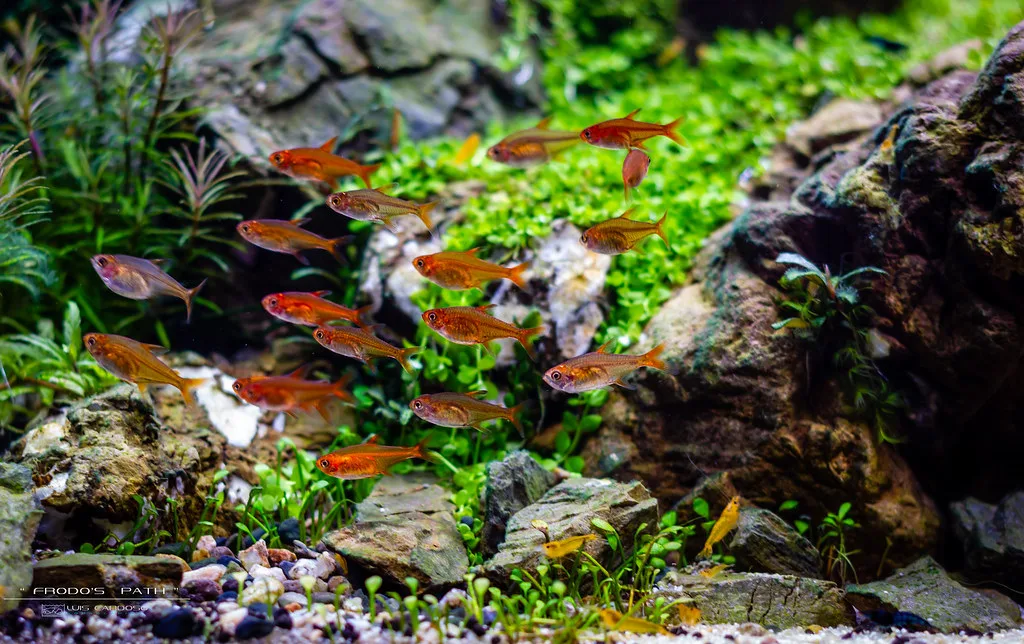
Schooling fish bring vibrant color and constant motion to a community tank. This behavior is a natural defense that helps them feel safe and secure. Keeping them in proper groups (usually six or more) is essential for their well-being. A lone tetra will be stressed and shy, but a school will be confident and brilliantly colored.
Spotlight: Neon Tetra (Paracheirodon innesi)
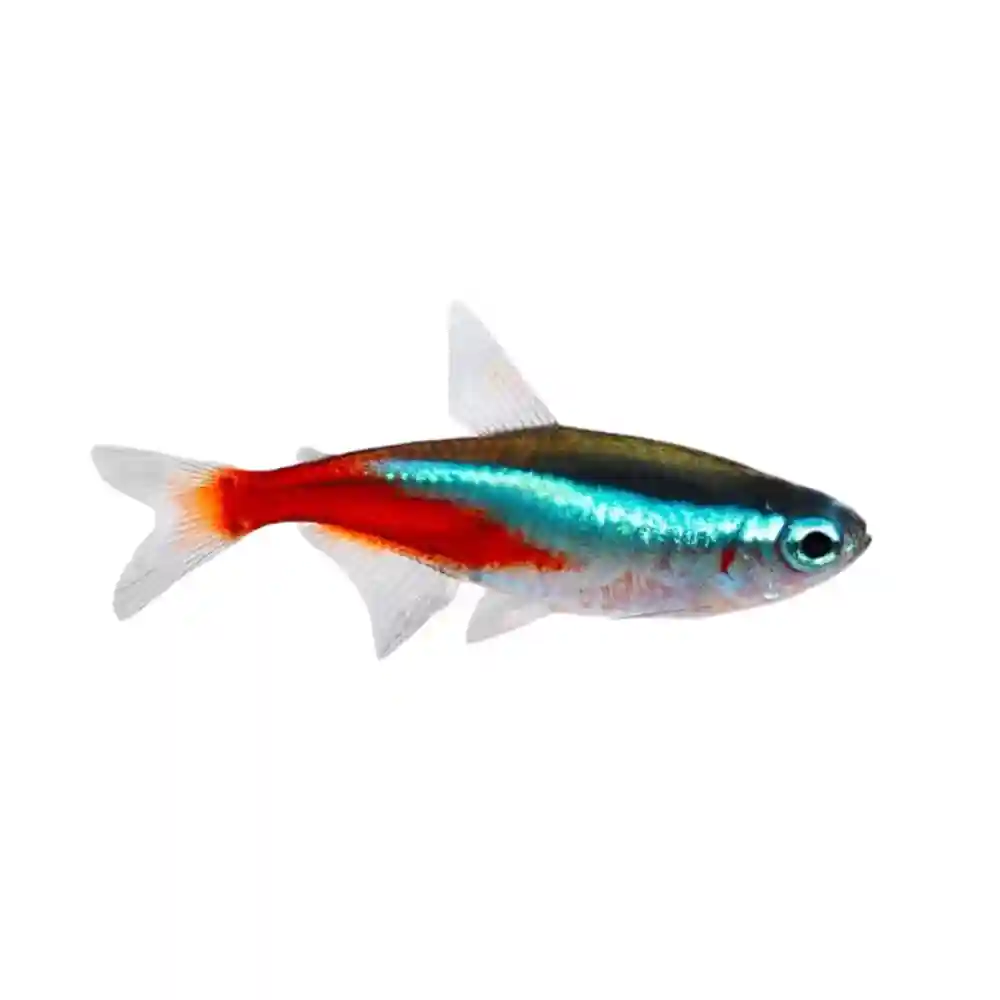
The iconic Neon Tetra is famous for its iridescent blue stripe and fiery red tail. They are hardy, adaptable, and perfect for beginners, thriving in a wide range of water conditions. These active swimmers bring a ton of energy to the middle of your tank. A school of 6-8 can live happily in a 10-gallon tank, and their colors pop against a dark substrate and in a planted tank. They are omnivores and will happily eat high-quality flakes, micro-pellets, and frozen foods. Their only real danger is being eaten by larger fish, so choose their tank mates wisely.
Spotlight: Cardinal Tetra (Paracheirodon axelrodi)
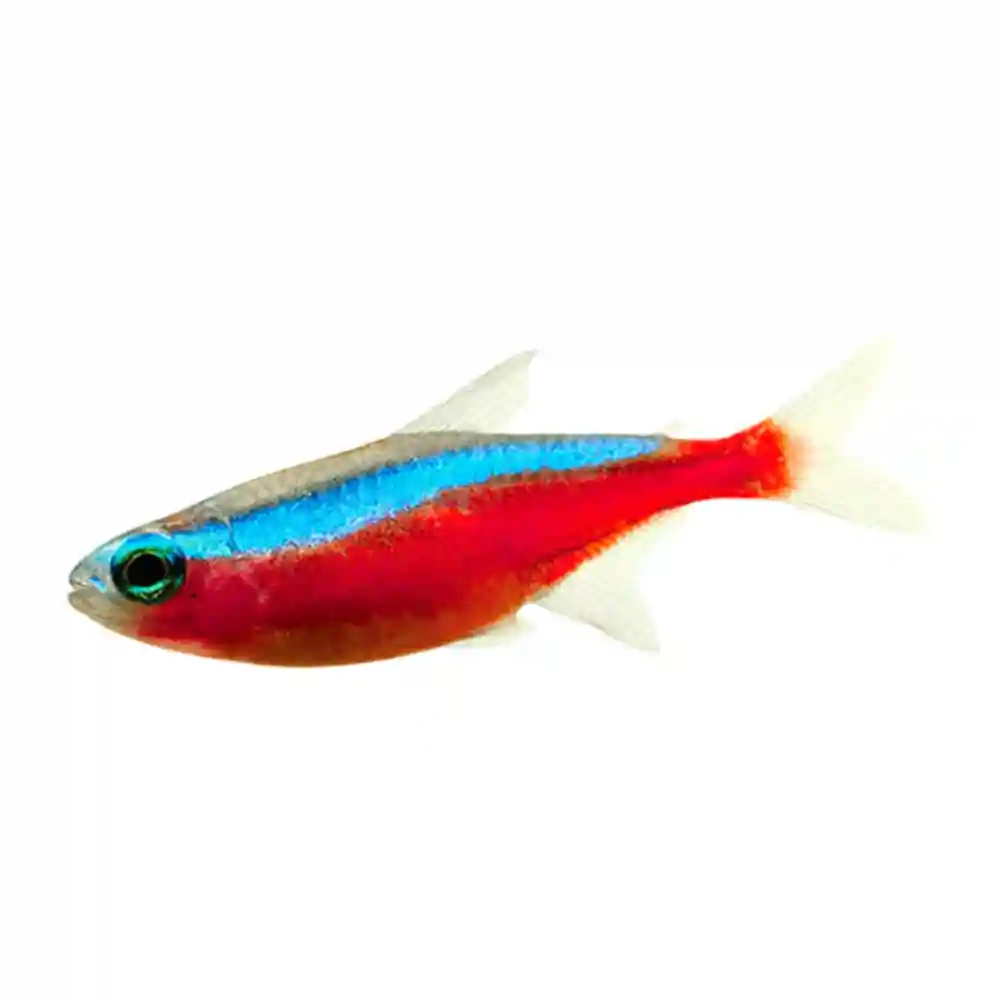
Often mistaken for Neons, Cardinals have a bold red stripe that runs the full length of their body. Their color is even more intense, making them a true showstopper. However, Cardinals are more sensitive than Neons and are best for a mature, stable aquarium. They demand soft, acidic water (pH below 7.0) and a temperature of 73-81°F (23-27°C) to truly flourish. A minimum 20-gallon tank is recommended for a school of at least 10 individuals. They thrive in “blackwater” setups with driftwood and leaf litter, which mimics their natural habitat.
Spotlight: Harlequin Rasbora (Trigonostigma heteromorpha)
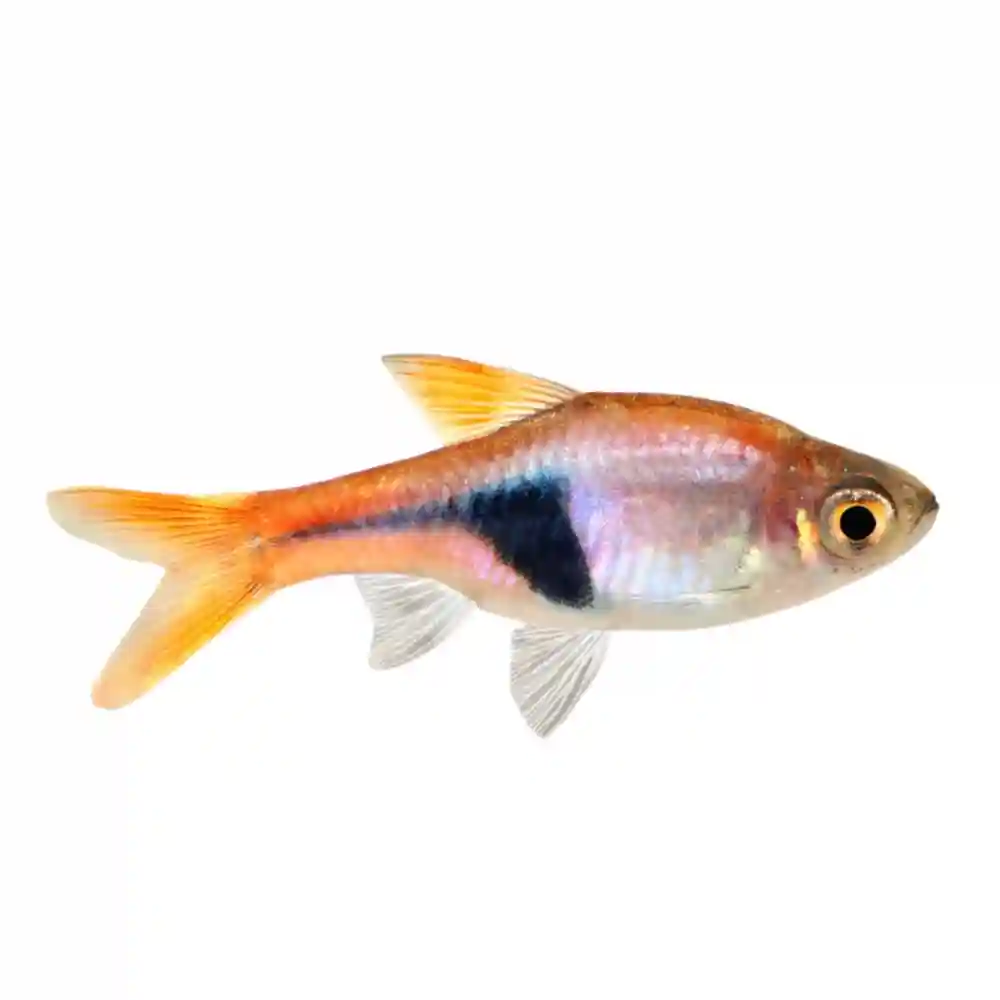
These beauties are known for their metallic body and a distinct black triangle patch. Harlequins are incredibly peaceful and hardy, making them another fantastic choice for beginners. They are model community citizens and get along with almost any other peaceful fish. A 10-gallon tank can house a small school, but a 20-gallon is better for a group of 7 or more. They love a well-planted tank but also need open space to swim.
The Ground Crew: Essential Bottom-Dwellers
Bottom-dwellers add life to the lower level of your tank and help clean up leftover food. But they’re more than just a cleanup crew—they’re fascinating fish with their own needs.
Spotlight: Corydoras Catfish
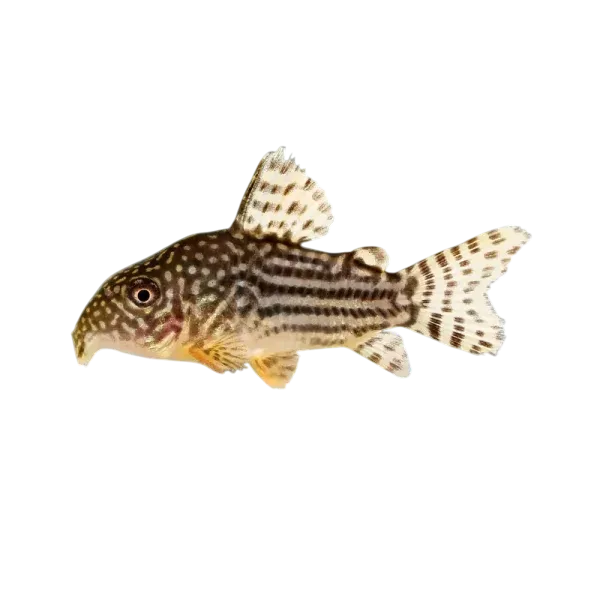
“Corys” are small, armored catfish from South America that are full of personality. They are constantly exploring the substrate with their sensitive whiskers (barbels) looking for a meal. Corys are the definition of peaceful and are highly social, so they must be kept in groups of at least six of the same species. The most important thing for their health is a soft substrate. Sharp gravel can damage their delicate barbels, leading to infection. Sand or fine, rounded gravel is a must. They also need their own food; don’t expect them to survive on leftovers. Feed them high-quality sinking wafers and pellets to keep them happy and healthy.
The Showstoppers: Centerpiece Fish
A centerpiece fish is the star of your aquarium—a fish that catches the eye with its size, color, or personality. Here are a few great options for a peaceful community tank.
Livebearers: Constant Color and Action
Guppies and Platies are famous for their bright colors, hardiness, and active nature. They give birth to live, free-swimming babies, which is fascinating to watch but means they can overpopulate a tank quickly if you’re not prepared.
Spotlight: Guppy (Poecilia reticulata)
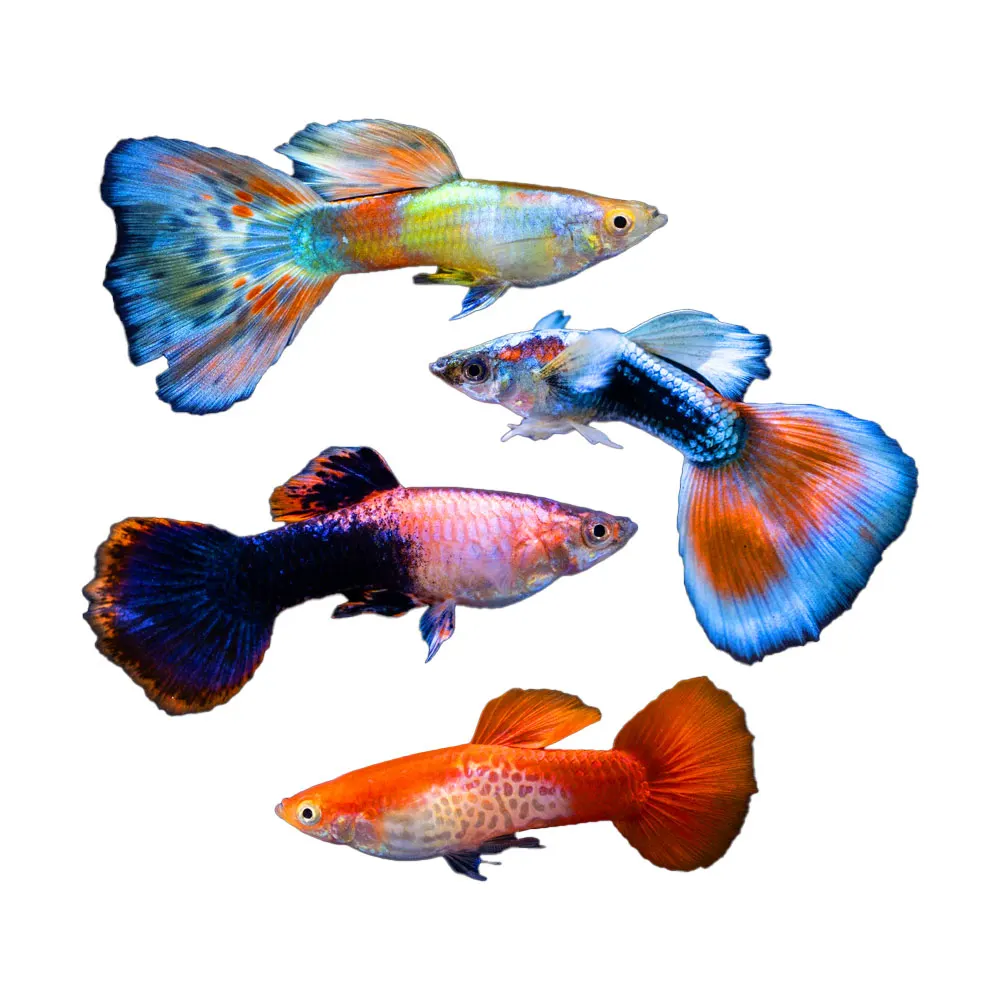
The males are like swimming jewels, with spectacular colors and long, flowing fins. They are easy to care for and perfect for beginners, preferring hard, alkaline water (pH 7.0 or higher). To keep the peace, maintain a ratio of one male to every two or three females to prevent males from relentlessly harassing the females. Their long fins are a target for nippers, so only house them with gentle tank mates.
Spotlight: Platy (Xiphophorus maculatus)
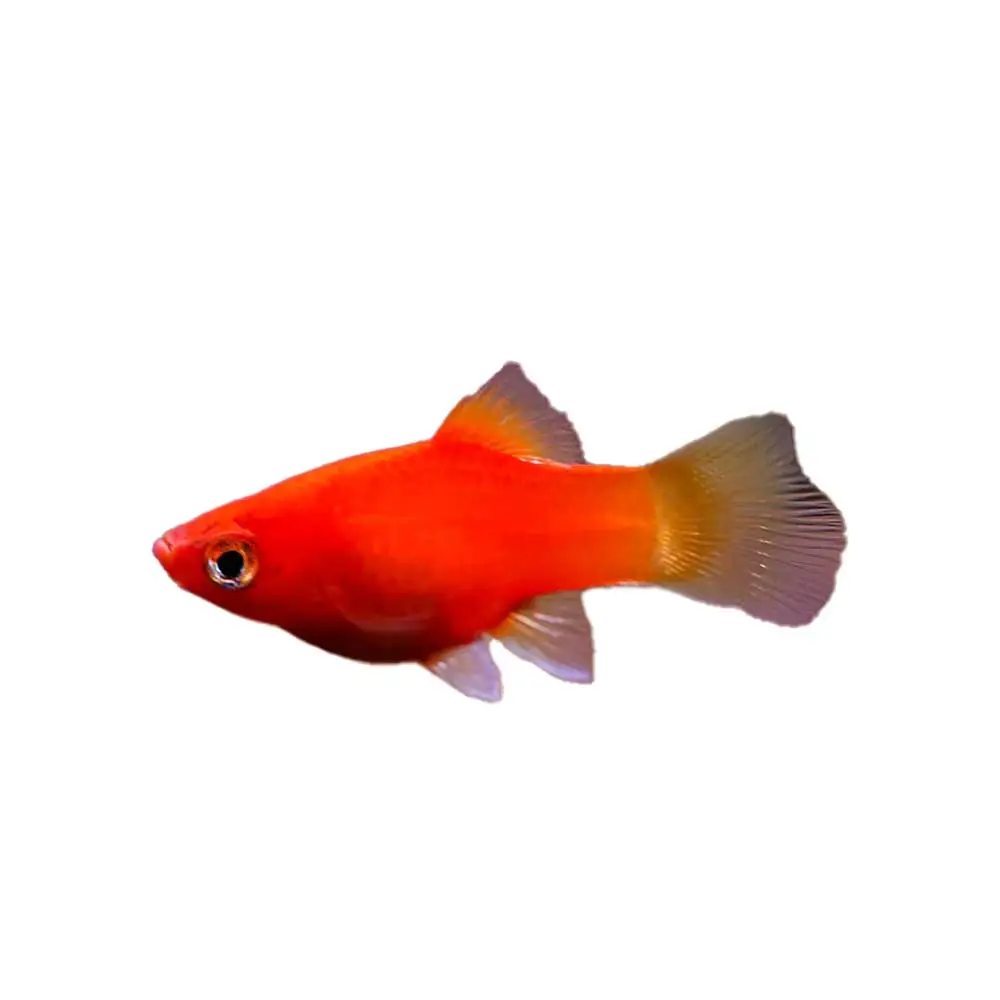
Platies are one of the hardiest fish in the hobby and come in a huge variety of colors. They are exceptionally peaceful and a great choice for any community tank, compatible with almost any other non-aggressive species. Like guppies, they are prolific breeders and thrive in hard, alkaline water.
Gentle Giants: Peaceful Gouramis
Gouramis are intelligent, graceful fish with unique “feeler” fins. Temperament can vary widely by species, so choose carefully.
Spotlight: Pearl Gourami (Trichopodus leerii)
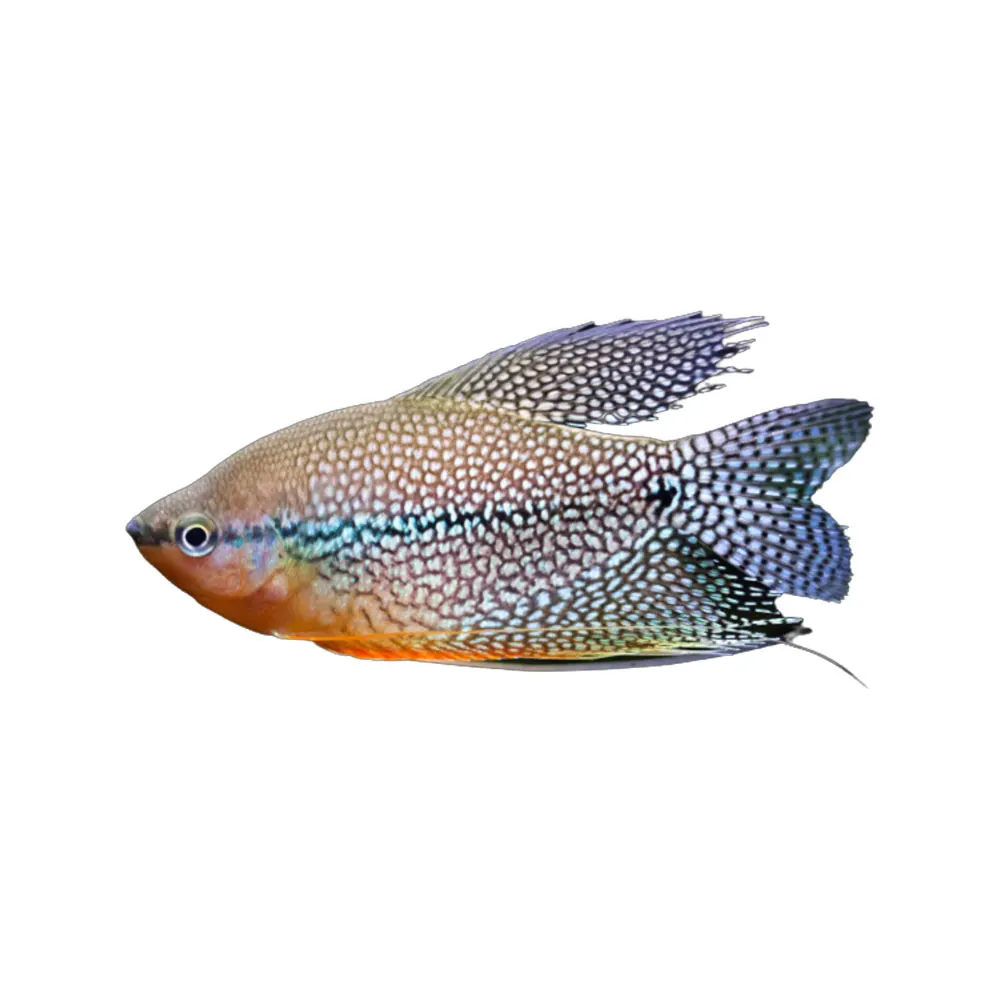
The Pearl Gourami is a stunning centerpiece fish, with a silvery body covered in pearl-like dots. Reaching 4 to 5 inches, it is known for being one of the most peaceful and gentle large gouramis. It is an excellent centerpiece for a tank with smaller, peaceful fish like tetras and rasboras, requiring a tank of at least 30 gallons.
A Note of Caution: Dwarf Gourami (Trichogaster lalius)
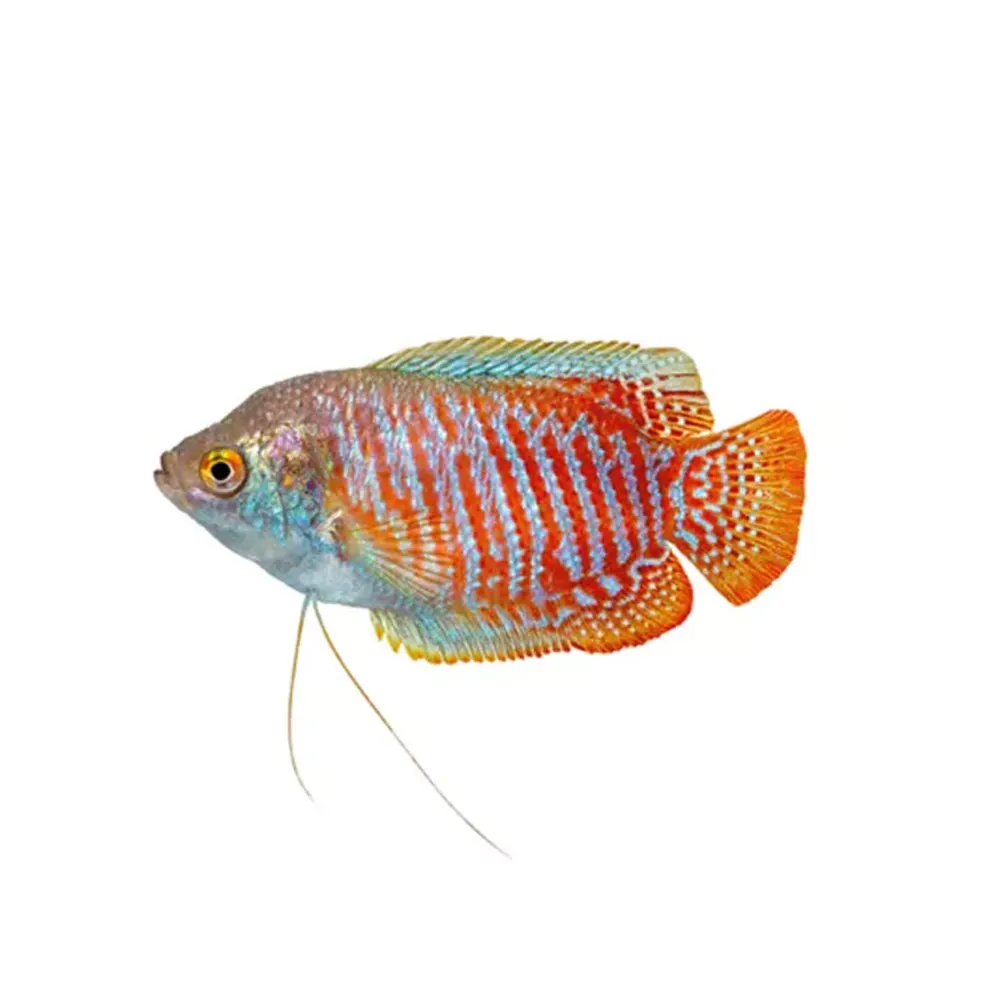
While beautiful, Dwarf Gouramis can be surprisingly territorial and aggressive, especially males. They are also unfortunately prone to a specific virus. They can be kept successfully but require a large, well-structured tank and should be chosen with caution.
Steer Clear: Fish to Avoid in a Community Tank
Knowing which fish not to buy is just as important as knowing which ones to get. Many fish sold in stores are completely unsuitable for a peaceful community tank.
The Bullies and Tyrants
- Most Cichlids: With a few exceptions, most cichlids (like Oscars and many African Cichlids) are too territorial and aggressive for a typical community tank.
- Red-Tailed Sharks: These fish are intensely territorial and will bully any fish that looks similar to them. They need a large tank (55+ gallons) and should be kept as a single specimen.
The Fin Nippers
- Tiger Barbs: These are the classic fin nippers. They will relentlessly harass slow-moving and long-finned fish like Angelfish and Guppies.
- Serpae Tetras: Like Tiger Barbs, they have a reputation for nipping and are a risky choice.
The “Tank Busters” – Fish That Get Way Too Big
- Common Plecostomus: This is the biggest mistake in the hobby. Sold as a tiny algae eater, the Common Pleco grows to a monstrous 18-24 inches and will quickly outgrow your tank. A much better choice is the Bristlenose Pleco, which stays under 6 inches.
- Bala Sharks & Iridescent Sharks: These are sold as cute juveniles but grow into massive fish that need aquariums of several hundred gallons.
The High-Maintenance Specialists
- Goldfish: They are cold-water fish and are not compatible with the tropical temperatures of a community tank. They also get very large and messy.
- Discus: Known as the “King of the Aquarium,” Discus are beautiful but fragile. They need extremely warm, clean water and are easily stressed by more active fish.
Ready to Build Your Dream Aquarium?
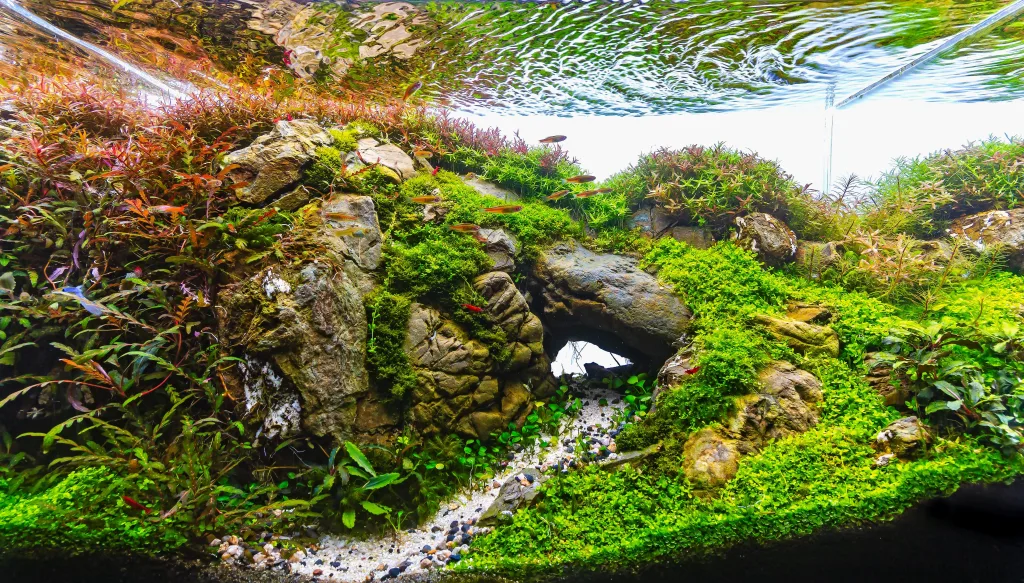
Creating a thriving community aquarium is a rewarding journey that blends science and art. The key to success is simple: research, patience, and a commitment to meeting the needs of your fish. By choosing compatible species and planning your tank as a complete ecosystem, you can avoid the common pitfalls and create a stunning underwater world that brings peace and beauty into your home.
Your aquarium should be a source of relaxation, not stress. With these principles in hand, you’re ready to build a living work of art that you’ll be proud of for years to come.