If you are setting up a new aquarium or looking to upgrade your current filtration system, you might be weighing your options between the various types of filters available. Internal aquarium filters are a staple in the hobby, used by beginners and seasoned aquarists alike. But are they the best choice for your specific setup?
In this guide, we dive deep into the types, pros, and cons of internal filters and offer expert tips on how to use them effectively to keep your water crystal clear and your fish healthy.
What is an Internal Aquarium Filter?
As the name suggests, an internal filter is a compact unit that sits entirely inside your fish tank. Unlike external canister filters or hang-on-back varieties, these submersible units process water without the need for external hoses or plumbing. They are particularly popular for smaller tanks, quarantine setups, or as supplementary filtration in larger aquariums.
Common Types of Internal Filters
Not all internal filters are created equal. Depending on your tank layout and livestock, you might prefer one design over another:
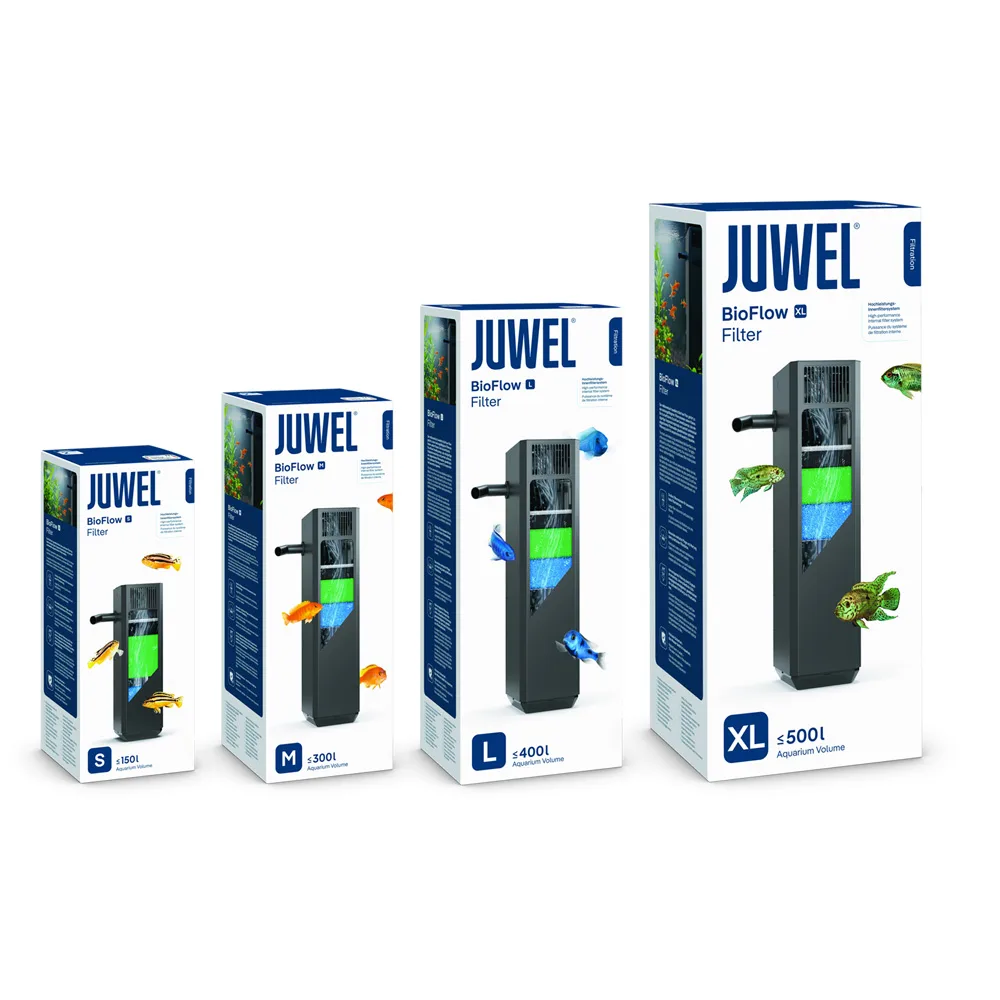
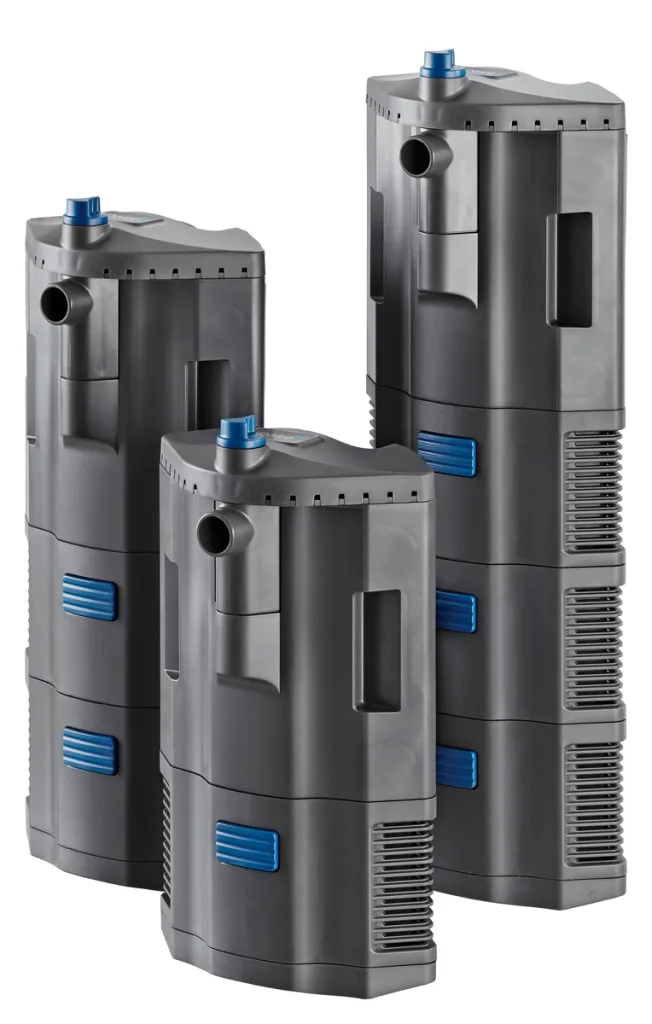
- Standard Cup Filters: These are the most common and simple designs. They typically consist of a pump head on top and a canister below containing a sponge. The entire unit is usually attached to the glass with suction cups. They are excellent for mechanical filtration and general water circulation. Some more advanced filters add some more space to add extra filter media.

- Air-Driven Sponge Filters: While technically different from power filters, these simple foam blocks connected to an air pump are a type of internal filtration. They provide gentle flow and are a favorite for breeding tanks or shrimp tanks, though they lack the mechanical power of motorized versions.
The Pros: Why Choose an Internal Filter?
For many aquarists, the internal filter is the go-to choice for several compelling reasons:
- Cost-Effective: Generally, these are the most budget-friendly filters on the market, making them an excellent entry point for the hobby.
- Space Saving: If you have limited space around your tank stand or cabinet, an internal filter is ideal because it requires zero footprint outside the aquarium.
- Leak-Proof Peace of Mind: Since the entire unit and water flow remain inside the tank, there is virtually no risk of water leaking onto your floor due to loose hoses or faulty seals.
- Easy Installation: Most units attach simply with suction cups or magnets. You can install or remove them in seconds without wrestling with complex plumbing.
- Aeration: Many motorized models come with an air inlet feature (venturi), which helps oxygenate the water while it filters.
The Cons: Things to Consider
While convenient, internal filters do have some limitations that are worth noting:
- Aesthetics: Because they sit inside the tank, they take up swimming space and can distract from your aquascape. You will need to get creative with plants or hardscape to hide them.
- Filtration Capacity: They generally hold less filter media than external canisters. This means they may not provide the same level of water purity for heavily stocked or very large tanks.
- Maintenance Frequency: Smaller sponges and chambers clog faster. To maintain optimal flow, you may need to clean them more frequently.
- Messy Removal: When you pull the filter out for cleaning, some debris can occasionally flow back into the tank if you aren’t careful.
How to Position and Hide Your Filter
Placement is key to making an internal filter work for both your tank’s health and its look.
Hide It Effectively: Place the filter in a back corner and use tall stem plants, driftwood, or rocks to obscure the view. Just remember to leave enough space so you can easily reach it for maintenance.
Optimize Flow: Ensure the outlet is positioned just below the water surface. You want to create a gentle ripple. This surface agitation is crucial for gas exchange, bringing oxygen in without driving off too much CO2, which is vital if you have live plants.
Essential Maintenance Tips
To get the most out of your internal filter, follow these best practices:
- Run It 24/7: Never turn your filter off at night. Beneficial bacteria rely on constant water flow to survive. If the filter stops for even 45 minutes, these bacteria can begin to die, leading to ammonia spikes that are dangerous for your livestock.
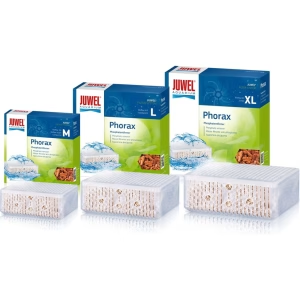
- Upgrade Your Media: Factory-standard sponges are fine, but if you have a modular filter, you can supercharge it by swapping some of the sponge volume for high-quality biological media or chemical media like carbon or purigen. This significantly boosts water clarity.
- Regular Cleaning: Rinse your filter sponges in used tank water (never tap water!) during your weekly water change. This removes clogging debris without killing the beneficial bacteria.
- Protect the Little Ones: If you keep small shrimp (like Neocaridina) or tiny fish, the intake slots on standard internal filters can be a hazard. Consider covering the intake with a finer mesh or sponge guard to prevent livestock from being sucked in.
Final Thoughts
Internal filters are a reliable, safe, and economical solution for many freshwater aquariums. Whether you choose a simple cup filter or a modular corner unit, the key is consistency. By upgrading your filter media and staying on top of cleaning, you can achieve professional-level water quality with a simple internal unit.