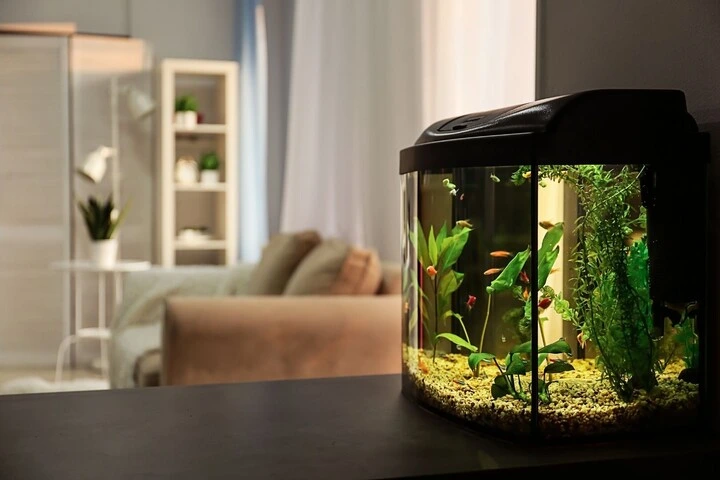
Building a freshwater aquarium can be an enjoyable, invigorating, and reflective activity, especially for newcomers to this hobby. Whether your vision is to construct an aquatic sanctuary or merely to indulge in the brilliant colour of goldfish, an aquarium can add that touch of elegance to your room or home. But where do newcomers begin? What supplies do you need, how do you assess suppliers, and what is involved in putting everything together?
Though questions like these might cause apprehension to beginner aquarists, no need to panic. Below is an easy guide that will walk you through the process of developing your very own freshwater aquarium.
Why Beginners Should Commence With a Freshwater Aquarium
Let’s begin by discussing why newcomers should start with a freshwater aquarium. A freshwater aquarium is not only an attractive feature of your home, it is also a cozy ecosystem full of benefits. Watching your fish move elegantly through water is shown to calm your mind and lower your blood pressure. For kids, an aquarium is a great educational experience, teaching responsibility while promoting an interest in nature. And, of course, if cared for well, your fish tank can be that amazing focal point of every room!
What You’ll Be Needing To Get Started
To start setting up your aquarium, you will need to have some things on hand. Below is a brief checklist
- Tank – Select an aquarium tank that is within your budget range and size. 70 litre is perfect for beginners.
- Filter – It maintains water that is clear and safe for your fish.
- Heater – It maintains water temperature, critical to most freshwater fish.
- Substrate – Use gravel or sand on the bottom of your tank.
- Lighting – It makes your tank pleasing to your eyes and helps live plants, if applicable.
- Water Conditioner – It removes poisonous substances from tap water.
- Food – For your aquatic friends.
- Decorations & Plants – For your fish to hide behind, making your tank pleasing to your eyes.
- Test Kit – For vetting water parameters like acidity, oxygen level etc.
- Fish – The star of your aquatic life!
Now that you have everything on this list, let’s set up our adventure step by step.
Step 1: Select your perfect spot
Choosing where to set up your aquarium is key to its success. Position your tank on a sturdy, level spot that can bear its weight, filling your 70L tank to its top can weigh well over 200 pounds! Move it out of sunlight, windows, and vents to maintain temperatures constant and deter algae.
A quiet, lower-traffic area is better to keep your fish relaxed.
Step 2: Rinse out your tank and substrate
Before putting together your aquarium, give your tank a good cleaning using fresh water (no soap!) to clear out dust or debris that might have built up on it. Rinse your gravel or sand through running water until the water runs clear through it, too. This prevents your tank from cloudiness after filling.
Step 3: Add substrate & decor
Spread the substrate evenly on the bottom, ideally to a depth of around 5 to 8 centimetres, perfect for most freshwater setups. The next part is where things can really get creative: decorating! Add rock, driftwood, and artificial or live plants to create a natural, appealing environment. Don’t forget to leave plenty of room to swim, though!
Step 4: Add the Filter and Heater
A healthy environment is essential to your fish’s well-being. Begin by setting up the filter according to the manufacturer’s instructions, ensuring it’s positioned to optimize water circulation. If your fish need warm water, set up your heater where it will circulate warmth well. The majority of freshwater fish prefer water temperatures of 24 to 26°C.
Step 5: Add Water to the Tank
To prevent disturbing your substrate, set a spot on the bottom of your tank using a fresh plate or bowl and carefully tip water onto it. Add water conditioner to remove chlorine and other toxic substances found in tap water. For now, fill your tank approximately two-thirds full.
Step 6: Cycle Your Tank
This is important! Cycling allows good bacteria to form, decomposing toxic waste and making your water safe for your fish. To cycle your tank, introduce a little fish food or bacterial starter and let your system operate for two to four weeks. Test your water on a regular basis until ammonia and nitrite levels hit zero.
Step 7: Add Live Plants
Try adding live plants to make your tank visually appealing while also filtering your water. They remove nitrates, introduce oxygen, and make your fish’s environment more natural. Some good choices for beginners include Java Fern and Anubias.
Step 8: Add Your Fish
Once your tank is cycled and the water parameters are stable, it’s time to add your fish! Start with just a few hardy species, like guppies or tetras, to avoid overwhelming the system. To acclimate them, float the sealed bag in the tank for 15-20 minutes to equalize the temperature. Then, gradually mix in small amounts of tank water before releasing the fish into their new home.
Step 9: Maintain Your Aquarium
Keeping your fish healthy requires regular maintenance. This can be done by
- Performing weekly water changes to remove waste and replenish nutrients.
- Cleaning the filter monthly keeps it running efficiently.
- Testing water parameters regularly to catch any imbalances early.
- Feeding your fish a balanced diet, but avoid overfeeding, as excess food can pollute the water.
Step 10: Bask in the Beauty of Your Aquarium
Congratulations! You’ve successfully set up a beginner-friendly freshwater aquarium. Now, sit back, relax, and enjoy watching your fish explore their new home. With the right care and attention, your tank will thrive and become a beautiful, healthy ecosystem.
FAQs About Freshwater Aquariums
What are the best fish for beginners?
Hardy species like guppies, platies, and bettas are great choices because they’re easy to care for.
How often should I clean my freshwater aquarium?
Perform weekly water changes and clean the filter once a month to maintain a healthy environment.
Why is cycling important?
Cycling establishes beneficial bacteria that break down harmful waste, keeping the water safe for fish.
Can I use tap water?
Yes, but always treat it with a water conditioner to remove chlorine and other harmful chemicals.
How many fish can I add?
A general rule is 10 cm of fish for every 4 litres of water, but always research each species’ needs.
Setting up a freshwater aquarium can seem intimidating at first glance, but if done right, it can become a delightful and satisfying experience. By adhering to these guidelines and taking your time, you will have your very own stunning, thriving freshwater aquarium in no time. Why wait? Step into the magical world of fishkeeping today!