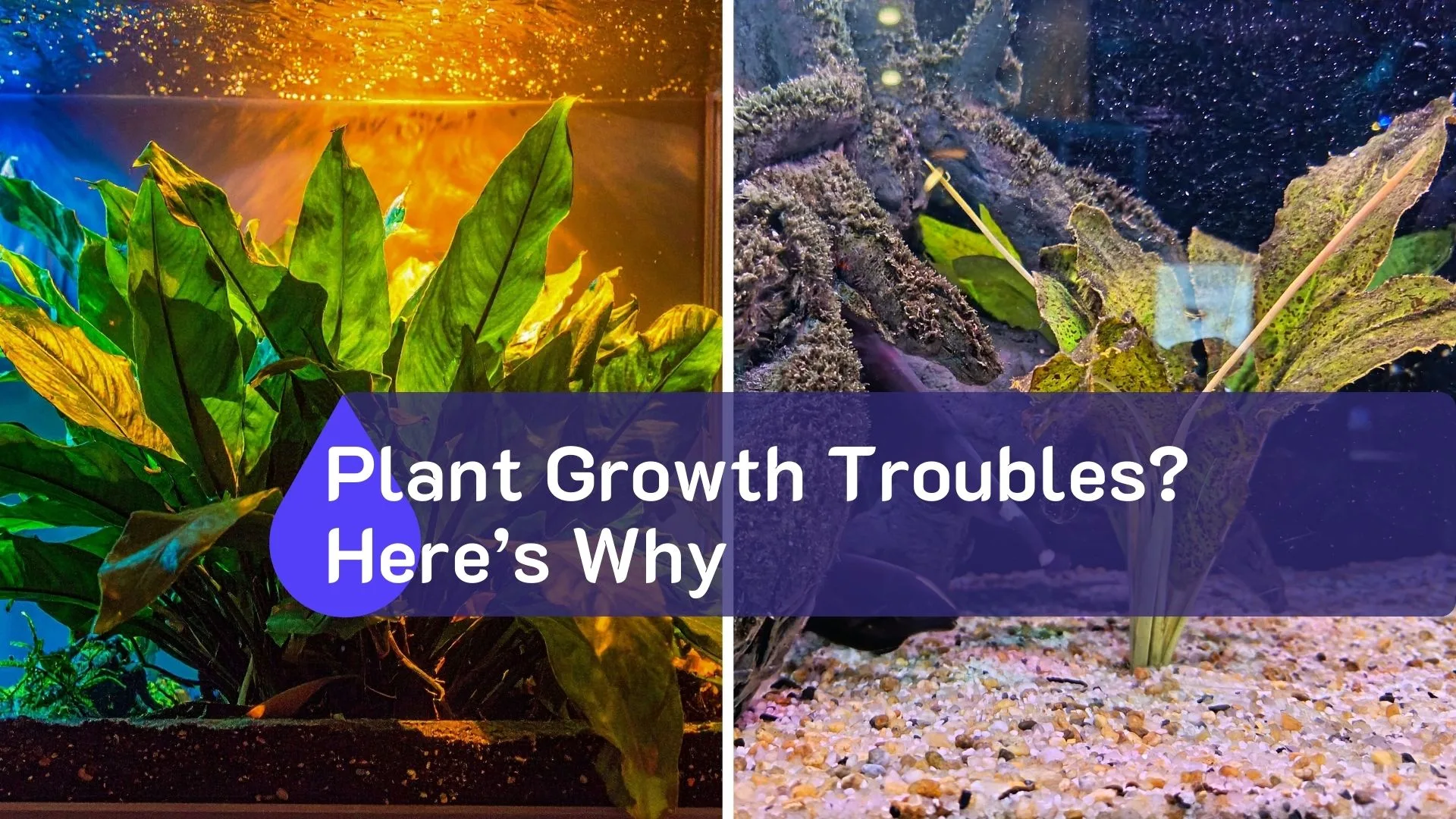
Are your aquarium plants turning yellow, brown, or looking stunted? It’s a frustrating problem for any aquascaper. Your aquatic plants are the best indicators of your tank’s health, and when they show poor growth, they are signaling that something is wrong.
This guide will help you diagnose the most common aquarium plant deficiency symptoms, understand their causes, and learn how to fix them. Most issues boil down to three key areas: lighting, carbon dioxide (CO2), and nutrients.
The “Big 3” Causes of Poor Plant Growth
Before you start adding nutrients, check these three common culprits. They are often the root cause of poor plant health.
1. Inadequate Lighting
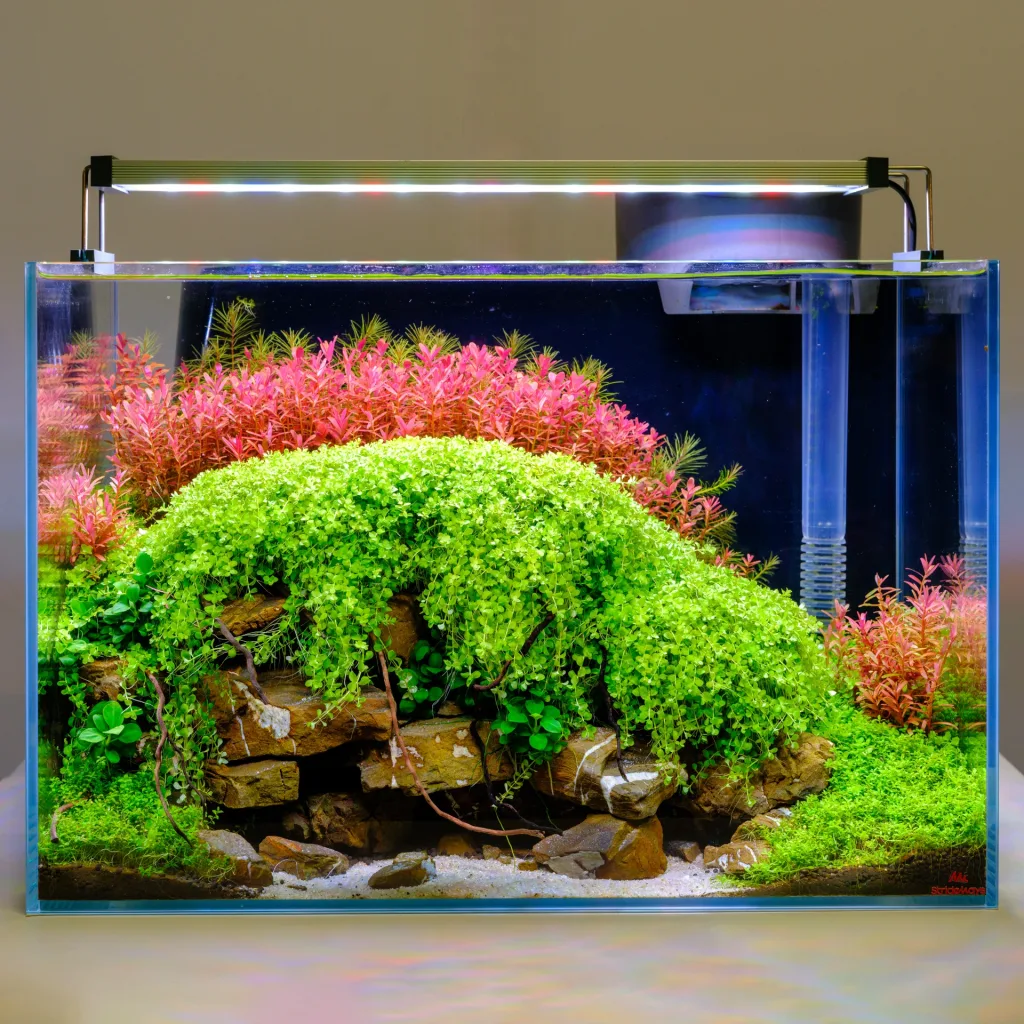
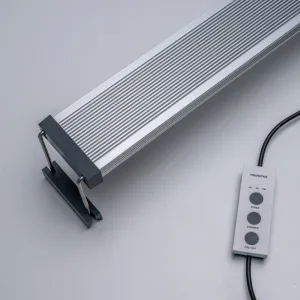
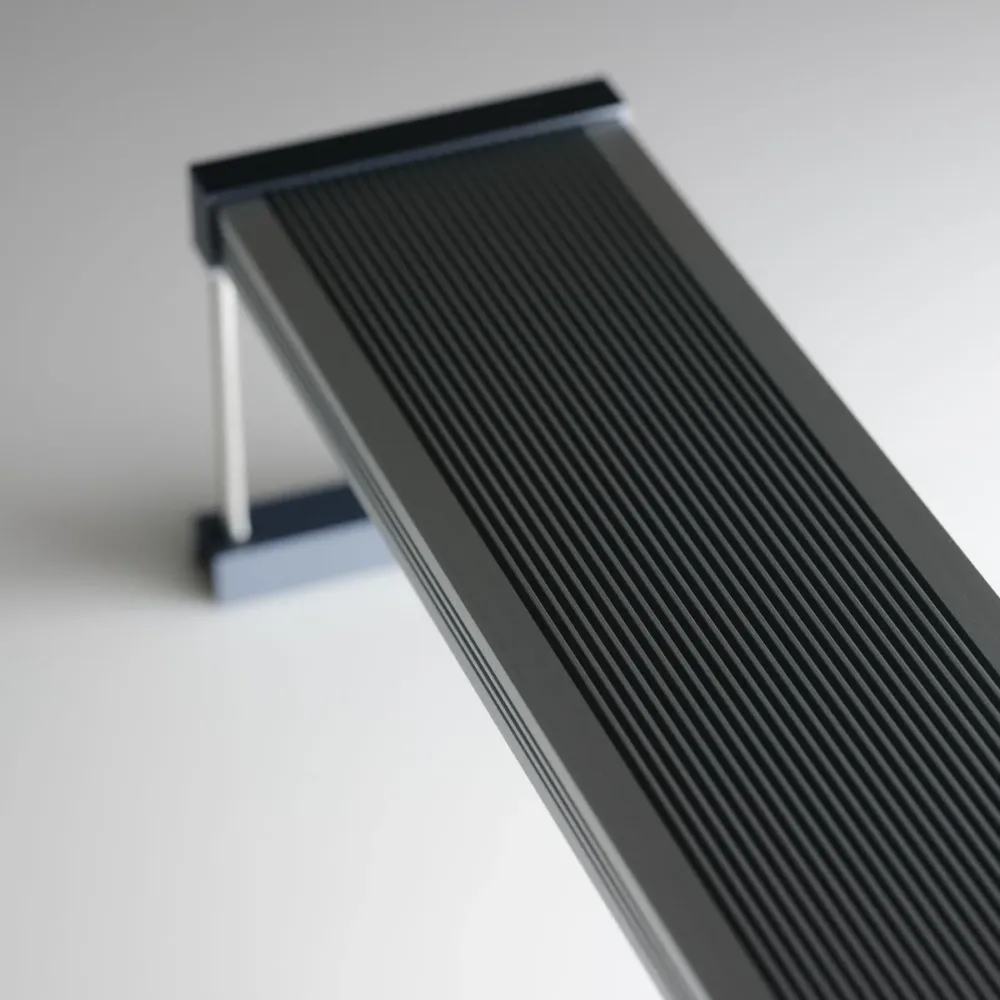
Lighting is the engine of your planted tank. If it’s too weak, plants can’t photosynthesize properly.
- Symptoms of Inadequate Lighting:
- “Stretching”: Plants grow tall and sparse, with long gaps (internodes) between leaf sets. This is often called “legginess” as the plant stretches toward the light.
- Dropping Lower Leaves: Plants may shed their bottom leaves, focusing all their energy on the new growth at the top that is closer to the light.
- Solution:
- Ensure your light is appropriate for the plants you are keeping (low-light vs. high-light plants).
- Be careful about simply increasing the light duration; this can lead to algae. A photoperiod of 7-8 hours is ideal for most aquariums. Do not exceed 10 hours.


2. CO2 Deficiency
Carbon dioxide (CO2) is arguably the most important nutrient for plant growth. In many aquariums, the natural CO2 level is too low to support lush growth.
- Symptoms of CO2 Deficiency:
- Stunted Growth: Plants simply stop growing or grow extremely slowly.
- Failure to Thrive: This is especially common with demanding foreground or “carpeting” plants, which will often fail to spread.
- Solution:
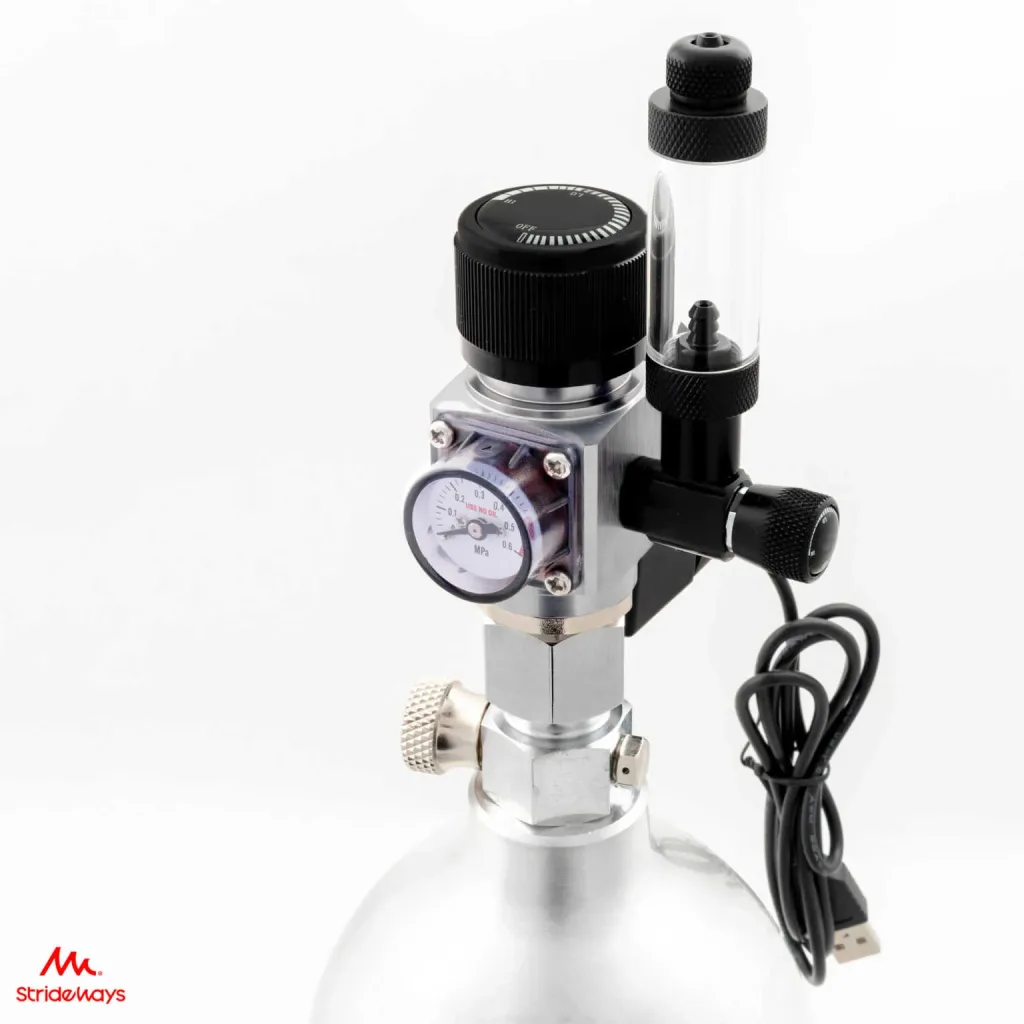
- For a high-tech planted tank, a CO2 injection system is essential.
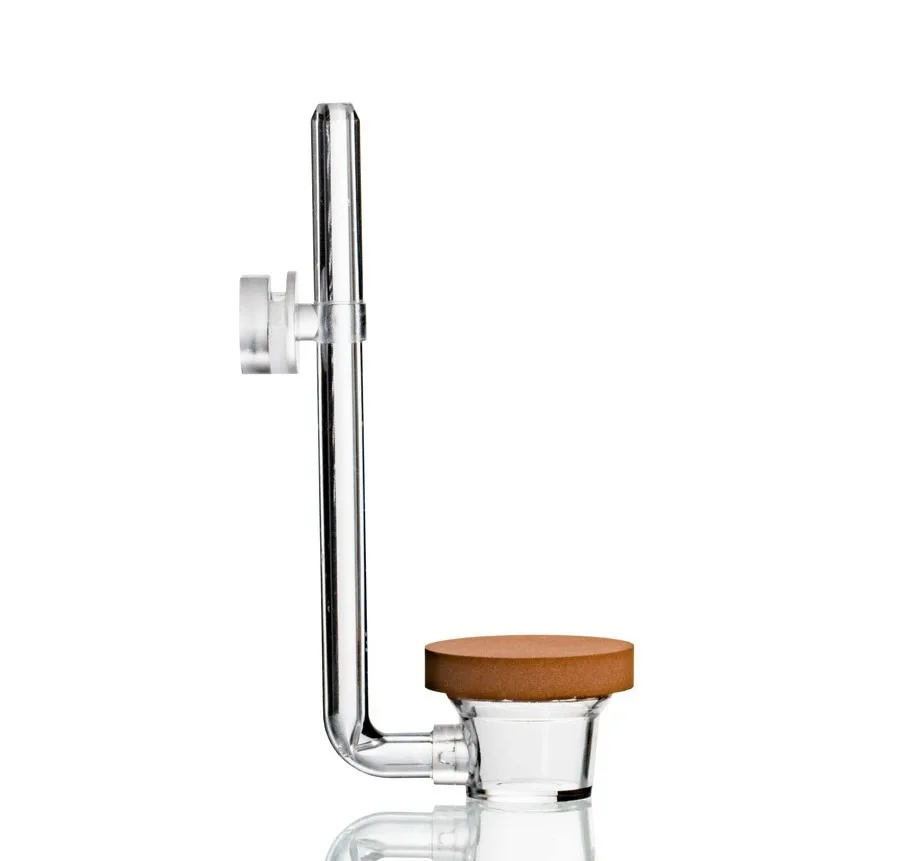
- Aim for a CO2 level of 20-30 mg/l, often monitored with a drop checker.
3. New Plant “Melting” (Leaf Exchange)
This common issue alarms many new hobbyists but is often not a deficiency at all.
- Symptoms of New plant Melting:
- Newly added plants (especially potted ones) seem to rot, disintegrate, or “melt” a few days or weeks after being planted.
- Cause:
- This is a natural adaptation. Most nursery plants are grown emersed (out of water, in high humidity). When you plant them submerged (underwater), they must shed their old emersed leaves and grow new submerged leaves.
- Solution:
- Be patient. Do not throw the plant away. Trim off the decaying leaves and as long as the roots and crown are healthy, new, fully-adapted leaves will grow in their place.
Diagnosing Specific Nutrient Deficiencies
If your lighting and CO2 are dialed in, it’s time to look at specific nutrient deficiencies. The #1 diagnostic clue is where the symptoms are appearing: on new leaves or old leaves.
Immobile Nutrients (Symptoms on NEW Leaves)
These are nutrients the plant cannot move from its old leaves. Therefore, any deficiency appears on fresh, new growth first.
Iron (Fe) Deficiency
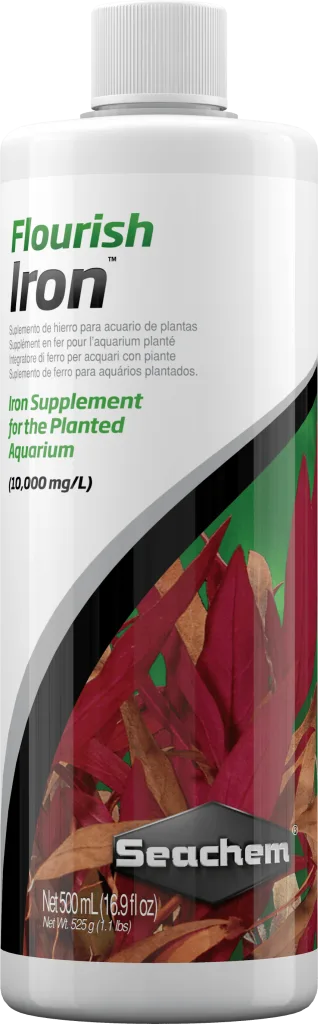
- Symptoms of Iron deficiency: New leaves grow in pale, yellow, or even white, but the leaf veins remain dark green. This is a classic sign.
- Solution: Add a high-quality liquid iron supplement. An ideal iron level is 0.1-0.5 mg/l.
Calcium (Ca) Deficiency
- Symptoms of calcium deficiency: New leaves are stunted, deformed, twisted, or unusually small and pale.
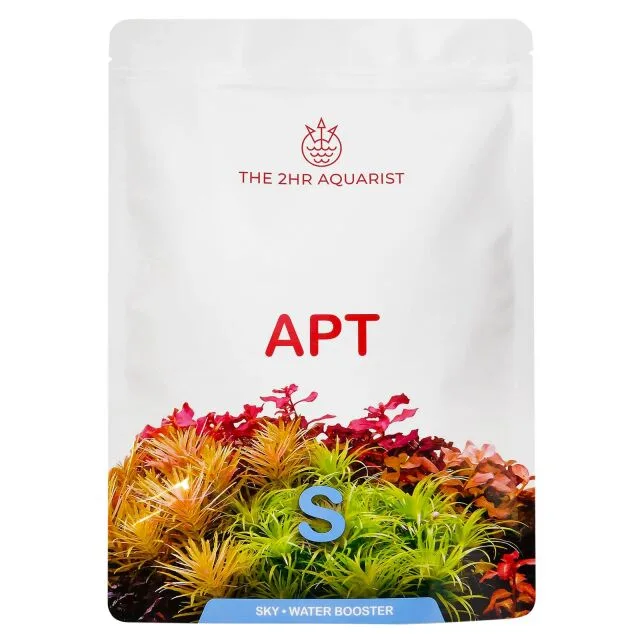
- Solution: This is rare if you use tap water. It’s most common in tanks using very soft or RO (reverse osmosis) water. Use a GH booster to add back essential minerals like calcium and magnesium.
Mobile Nutrients (Symptoms on OLD Leaves)
These are nutrients the plant can move. To survive, the plant will “steal” these nutrients from its old leaves to feed its new growth. As a result, the old leaves suffer first.
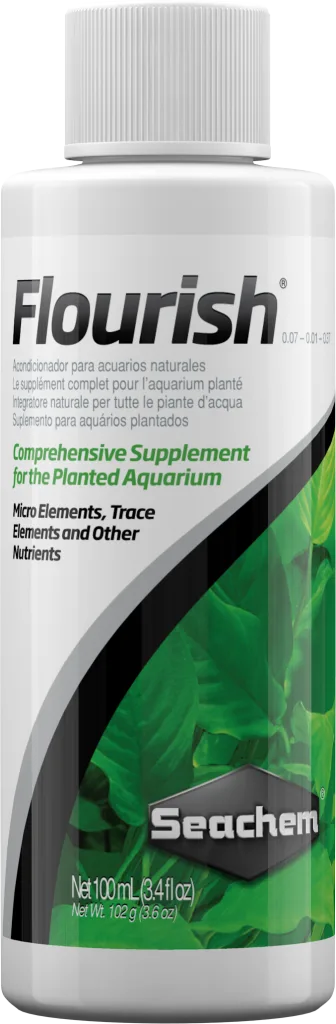
Nitrogen (N) Deficiency
- Symptoms of nitrogen deficiency: The oldest leaves turn yellow (a process called chlorosis), starting from the tips, and eventually die off. Overall plant growth will be severely stunted.
- Solution: Add a nitrogen supplement. An optimal nitrate (NO3) level is typically 10-30 mg/l.
Potassium (K) Deficiency
- Symptoms of potassium deficiency: The most classic sign is small pinholes or dark spots appearing on older leaves. As the deficiency worsens, these holes will grow larger.
- Solution: Add a potassium-specific fertilizer. Target levels are often between 5-30 mg/l.
Phosphate (P) Deficiency
- Symptom of phosphate deficiency: Plant growth slows dramatically. Older leaves may darken or fade, and this deficiency is strongly linked to the appearance of Green Spot Algae (GSA) on the glass and older leaves.
- Solution: Add a phosphate supplement. An ideal level is 0.5-3.0 mg/l.
Magnesium (Mg) Deficiency
- Symptoms of magnesium deficiency: Similar to iron, but on old leaves. The old leaves will turn yellow at the edges while the veins remain green.
- Solution: Like calcium, this is rare in tap water. It’s best fixed by using a GH booster if you have very soft water.
A Final Word: Test, Treat, and Be Patient
Once you’ve identified a potential deficiency, don’t expect an instant fix.
- Test Your Water: Use reliable liquid test kits to confirm your suspicions before adding supplements.
- Make Small Adjustments: Start dosing the missing nutrient and observe.
- Watch the NEW Growth: Damaged leaves will not heal. The true sign of recovery is when new leaves grow in healthy, colorful, and strong. This process can take a few weeks. In aquascaping, patience is always the most important tool.