



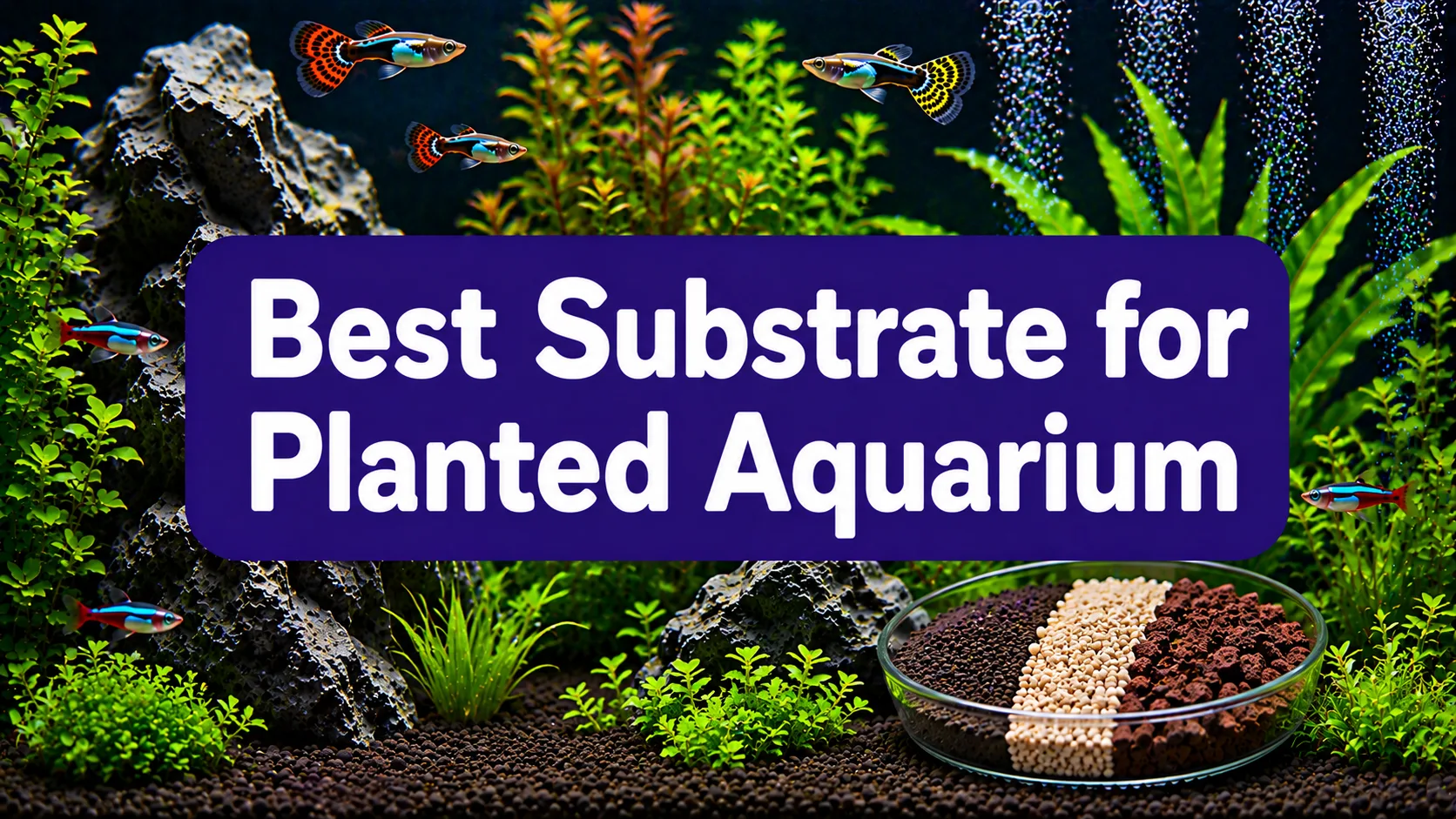
Setting up a planted aquarium is an exciting journey. You pick your tank, choose your fish, select beautiful plants, and imagine the lush underwater garden you are about to create. But there is one decision that can make or break your entire aquarium, choosing the best substrate for planted aquarium. Think of substrate as the foundation of your underwater world. It is not just the stuff that sits at the bottom of your tank. It is where your plants put down their roots, where beneficial bacteria live, and where nutrients are stored for your plants to eat. Get this choice right, and your plants will grow strong and healthy. Get it wrong, and you might wonder why your plants keep dying no matter what you do.
The truth is, there is no single “best” substrate for everyone. The right choice depends on what kind of plants you want to grow, what fish you keep, and how much time and money you want to spend. Some substrates are packed with nutrients right out of the bag. Others are bare and need you to add fertilizer separately. Some change your water chemistry. Others leave it alone.
In this blog, we will break down everything you need to know about planted aquarium substrates. We will look into the top substrates on the market, and help you pick the perfect one for your tank. By the end, you will feel confident making this important decision for your aquarium.
The best substrate for planted aquariums are as follows:
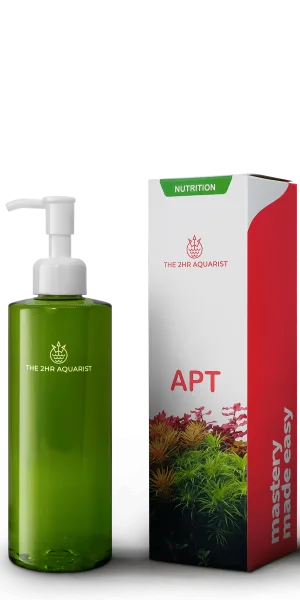
2Hr APT Feast 5L
2Hr APT Feast is one of the richest aquasoils available. It is packed with more than twice the nitrogen of conventional big-brand aquasoils. This makes it a powerhouse for plant growth.
What makes APT Feast special is its nutrient density. It provides sustained nutrition for up to 12 months without any additional root fertilization. You set it up, plant your tank, and your plants have food for an entire year. This is a huge advantage for beginners who do not want to mess with root tabs and fertilizers all the time.
APT Feast also softens water and buffers pH into the ideal 6.2 to 6.6 range. This range is perfect for most tropical fish and shrimp. The granules are stable and do not break down into mud like some other soils.
There is one important thing to know about APT Feast. Because it is so rich, it releases ammonia when first submerged. This is normal and expected. You need to do large water changes every couple of days for the first two weeks. This sounds like work, but it is simple, just change the water. No special skill is required.
APT Feast comes in a 5L bag. It is beginner-friendly despite its “expert” reputation. The product is designed so that anyone can use it successfully by following a simple routine.
Best for: Hobbyists who want maximum plant growth with minimal ongoing work. Great for both beginners and experts.
Tropica Aquarium Soil
Tropica Aquarium Soil is one of the most popular planted aquarium substrates in the world. It is made by Tropica, a Danish company known for high-quality aquarium products.
This aquasoil has a uniform grain size of 2-3mm. This makes it easy to plant into. Roots penetrate easily and spread through the substrate without trouble. The granules are also tough, they do not break down into mud quickly like some other soils.
Tropica Aquarium Soil buffers pH to around 6.5. This is slightly higher than some other active soils, which can be good if you want a more neutral environment. It also produces a milder ammonia spike than some competitors like ADA Amazonia. This makes the cycling period shorter and more forgiving. You can add fish sooner.
The nutrient lifespan is about 10 to 12 months. After that, you will want to start using root tabs to keep your plants happy. The product comes in various sizes including a 9L bag. It offers good value for money.
Tropica Aquarium Soil works well with tropical fish and shrimp. Many aquarists use it successfully for shrimp tanks because the water conditions it creates are ideal for these sensitive creatures. It is also safe for bottom-dwelling fish like corydoras.
Best for: Balanced performance with a forgiving cycling period. Great for most planted tanks.
Tropica Aquarium Soil Powder
Tropica Aquarium Soil Powder is the fine-grained version of the regular Tropica Aquarium Soil. It has smaller particles, making it perfect for certain situations.
The powder version is ideal for carpeting plants. Plants like Hemianthus callitrichoides (dwarf baby tears) and Glossostigma need fine substrate to root properly. The small grains allow delicate roots to spread and grip the soil easily.
The powder is also great for tanks with small fish or shrimp that might eat substrate and become ill. The fine grains are safer if swallowed. Some aquarists use it in tanks with African dwarf frogs for the same reason.
One thing to note: the powder is lighter than the regular version. Some users report that it clouds the water a bit when you pull up plants. This is normal and settles quickly. The plants grow fast in this substrate.
The powder has the same nutrient content and pH-buffering properties as the regular Tropica Aquarium Soil. It is the same great product, just in a finer form.
Best for: Carpeting plants, nano tanks, and tanks with small fish or shrimp.
Tropica Substrate (Base Layer)
Tropica Substrate is not the same as Tropica Aquarium Soil. This is an important distinction. Tropica Substrate is a base fertilizer that goes under your main substrate.
Think of it as the foundation layer. You spread a 1 cm thick layer of Tropica Substrate on the bottom of your empty tank. Then you cover it with at least 3 to 4 cm of your main substrate like gravel or sand. You do not use it by itself.
Tropica Substrate is made from natural clay and sphagnum. It absorbs nutrients from the water and makes them available to plant roots. It provides long-term nutrition for your plants without affecting your water’s pH or KH.
This product is great if you want to use an inert substrate like gravel but still give your plants plenty of food. The base layer feeds roots while the top layer looks how you want. It is a one-time investment, you lay it down when you first build your tank and it keeps working for years.
Best for: Adding nutrients to inert substrate setups. Great for layered substrate designs.
JBL Manado 10L
JBL Manado is a different kind of product. It is a natural substrate designed for freshwater aquariums. It has a porous structure that promotes plant growth and supports beneficial bacteria.
What makes Manado unique is that it is technically inert but has some nutrient-holding capacity. It does not come with nutrients out of the bag. However, its porous structure can absorb and store nutrients over time. This means it gets better with age as it soaks up fertilizers from the water and root tabs.
Manado has rounded granules that are safe for sensitive fish. This makes it excellent for bottom-dwelling fish like corydoras that have delicate barbels. The rounded shape will not damage their sensitive parts.
The color is natural and attractive. Many aquarists love the look of Manado in their tanks. It creates a beautiful, natural appearance that enhances any aquascape.
There is a catch with Manado: it is very light. This can make planting difficult because plants may float up. It also means that fish like corydoras that dig can easily create pits and disturb the substrate. Some aquarists solve this by using Manado as a top layer over a heavier base substrate.
You need to wash Manado well before using it. Some users report needing many rinses to get the water clear. But once it is in your tank, it works well for plant growth.
Best for: Natural-looking tanks with corydoras and other bottom dwellers. Great for layered substrate designs.
Top aquarium Substrates Compared
| Product | Type | Nutrient Content | pH Effect | Grain Size | Lifespan | Best For |
|---|---|---|---|---|---|---|
| 2Hr APT Feast 5L | Active Aquasoil | Very High | Lowers to 6.2-6.6 | Medium | 12 months | Maximum growth, minimal maintenance |
| Tropica Aquarium Soil | Active Aquasoil | High | Lowers to ~6.5 | 2-3 mm | 10-12 months | Balanced performance, forgiving cycling |
| Tropica Aquarium Soil Powder | Active Aquasoil | High | Lowers to ~6.5 | Very fine | 10-12 months | Carpeting plants, small shrimp tanks |
| Tropica Substrate | Base Layer | High (as base) | Neutral | Fine | Several years | Adding nutrients under gravel or sand |
| JBL Manado 10L | Inert with porosity | Low (absorbs over time) | Neutral | Rounded granules | Indefinite | Corydoras, natural-looking tanks |
How to Choose the Right Substrate
Choosing the best substrate for your planted aquarium does not have to be hard. Just ask yourself these questions.
What Plants Do You Want to Grow?
This is the most important question. If you want demanding carpeting plants like dwarf baby tears, you need a fine-grained aquasoil. The Tropica Aquarium Soil Powder is perfect for this.
If you want heavy root feeders like Amazon swords or Cryptocoryne, you need a nutrient-rich substrate. Any of the aquasoils will work well. 2Hr APT Feast is especially good because of its high nutrient content.
If you only want easy plants like Java fern and Anubias that attach to rocks and wood, you do not need a nutrient-rich substrate at all. These plants pull nutrients from the water, not the soil. You can use JBL Manado or even plain gravel with liquid fertilizer.
What Fish Do You Keep?
Your fish matter too. If you keep corydoras or other bottom-dwelling fish, you need a substrate that is safe for their barbels. JBL Manado with its rounded granules is an excellent choice. Sharp gravel can damage these sensitive fish.
If you keep shrimp, you want a substrate that creates good water conditions. Most aquasoils are excellent for shrimp because they soften water and lower pH to levels shrimp love. Tropica Aquarium Soil is very popular among shrimp keepers.
If you keep tropical fish that prefer neutral to alkaline water, be careful with active soils. They will lower your pH. You might be better off with an inert substrate like JBL Manado or using Tropica Substrate under gravel.
What Is Your Budget?
Budget matters for most of us. Here is a quick breakdown:
- Low budget: Use plain gravel or sand with root tabs. This costs very little upfront but you will need to keep buying root tabs.
- Medium budget: JBL Manado is moderately priced. It looks great and works well with root tabs.
- Higher budget: Aquasoils like Tropica Aquarium Soil or 2Hr APT Feast cost more upfront but give you the best plant growth with less ongoing work.
How Much Work Do You Want to Do?
Think about maintenance. Aquasoils need to be replaced every year or two. Inert substrates last forever. If you do not want to tear down your tank every couple of years, an inert substrate might be better.
Think about planting. Aquasoils are easier to plant into than gravel or sand. If you want to change your aquascape often or move plants around, aquasoil makes this easier.
Think about water changes. Rich soils like 2Hr APT Feast need frequent water changes in the first couple of weeks. If you want a set-it-and-forget-it setup, you might prefer a milder soil or an inert substrate.
Do You Want to Use Layers?
Many experienced aquarists use layered substrates. This means putting different materials in different layers to get the benefits of each. A common approach is to put Tropica Substrate as a base layer, then cover it with Tropica Aquarium Soil or JBL Manado. The base layer provides long-term nutrition while the top layer gives you the look and planting ease you want.
Another approach is to use a nutrient-rich soil as a base and cap it with sand or fine gravel. This gives you the nutrients of soil with the clean look of sand. Layering takes more work to set up but can give you the best of both worlds.
Conclusion
Choosing the best substrate for planted aquarium does not have to be overwhelming. The right choice comes down to understanding your goals, your plants, and your fish. If you want the absolute best plant growth with minimal ongoing work, 2Hr APT Feast is hard to beat. Its rich nutrient content fuels incredible growth for a full year. Yes, you need to do water changes in the first couple of weeks, but after that, your plants will thrive with almost no effort from you. If you want a balanced, forgiving option that works great for most tanks, Tropica Aquarium Soil is an excellent choice. It provides nutrients, buffers pH nicely, and has a milder ammonia spike that makes cycling easier. The powder version is perfect if you want carpeting plants or have small shrimp. If you keep corydoras or other bottom dwellers and want a natural look, JBL Manado is a fantastic option. Its rounded granules are safe for sensitive fish, and its porous structure holds nutrients well over time. Pair it with Tropica Substrate underneath for even better nutrition.
Remember, there is no wrong choice here. Every substrate we have discussed can grow beautiful plants. The “best” one is simply the one that fits your specific situation. Think about your plants, your fish, your budget, and how much work you want to do. Then pick the substrate that matches. Your plants will thank you. Your fish will be happy. And you will enjoy a lush, beautiful underwater garden that brings you joy every single day. Happy planting!



Brilliant website,brilliant company received my order today ,thanks very much keep up with the tips and advice
Thanks Craig