



Filtration
Invest in aquarium filtration. Find canisters, HOB, and internal filters. Multi-stage filtration ensures clean, healthy water for all tank sizes.
Showing 73–96 of 108 results
-
3 Options
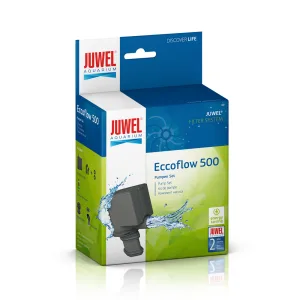
Juwel Pump Juwel ECCOFLOW
Price range: €37.28 through €52.07 Select options This product has multiple variants. The options may be chosen on the product page -
-
5 Options
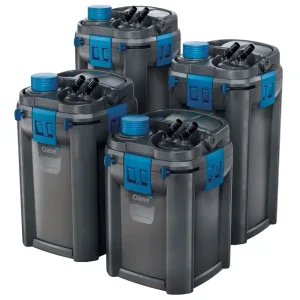
OASE BioMaster²
Price range: €215.98 through €386.55 Select options This product has multiple variants. The options may be chosen on the product page -
6 Options
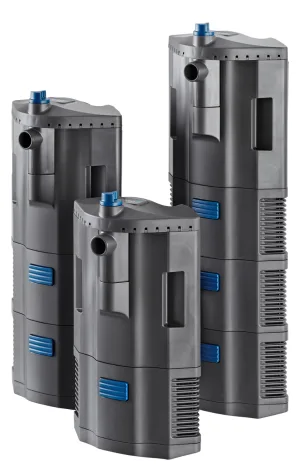
OASE BioPlus
Price range: €47.69 through €107.97 Select options This product has multiple variants. The options may be chosen on the product page -
-
3 Options
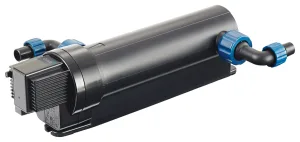
Oase ClearTronic
Price range: €105.69 through €129.56 Select options This product has multiple variants. The options may be chosen on the product page -
2 Options
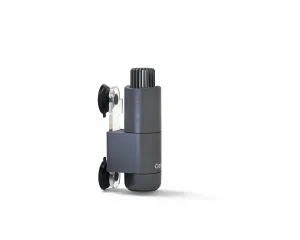
OASE CrystalSkim
Price range: €40.87 through €53.38 Select options This product has multiple variants. The options may be chosen on the product page -
7 Options
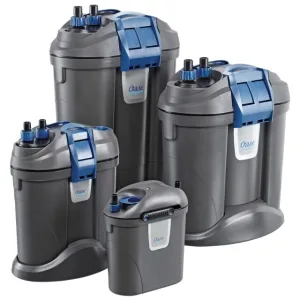
OASE FiltoSmart
Price range: €76.13 through €187.56 Select options This product has multiple variants. The options may be chosen on the product page -
7 Options
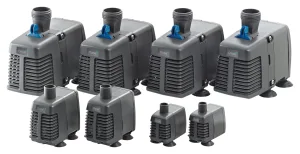
OASE OptiMax
Price range: €22.68 through €221.67 Select options This product has multiple variants. The options may be chosen on the product page -
-
-
-

-
3 Options
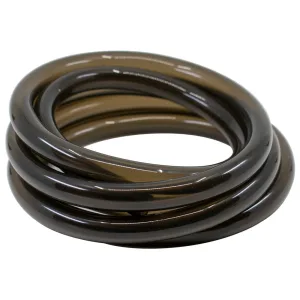
OASE Spare Hose
Price range: €17.86 through €32.18 Select options This product has multiple variants. The options may be chosen on the product page -
3 Options
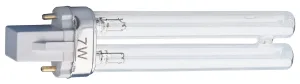
OASE Spare Lamp UVC
Price range: €34.00 through €36.28 Select options This product has multiple variants. The options may be chosen on the product page -
-
-
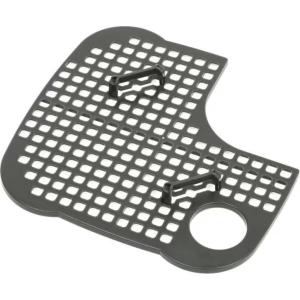
-
3 Options
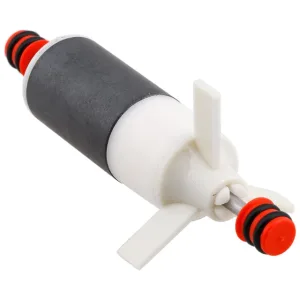
OASE Spare Part Rotor BioMaster
Price range: €17.84 through €43.37 Select options This product has multiple variants. The options may be chosen on the product page -
4 Options
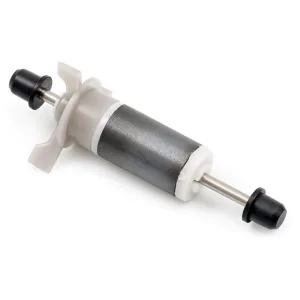
OASE Spare Rotor
Price range: €10.67 through €13.37 Select options This product has multiple variants. The options may be chosen on the product page -
3 Options
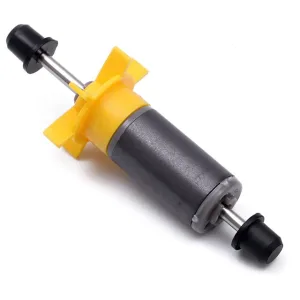
OASE Spare Rotor BioPlus
Price range: €11.21 through €12.84 Select options This product has multiple variants. The options may be chosen on the product page -
4 Options
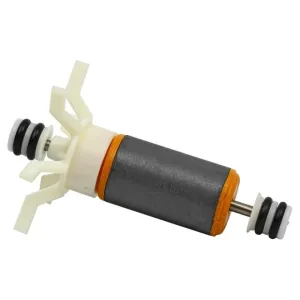
OASE Spare Rotor FiltoSmart
Price range: €9.77 through €16.67 Select options This product has multiple variants. The options may be chosen on the product page
Showing 73–96 of 108 results
Buy Filtration Solutions for Aquariums
Beyond shopping for a beautiful fish tank, getting the right filtration solution is the most important decision you will make for your fish.
Your fish needs clean and healthy water to survive, just like you do. One might even argue that it is more important for the fish as it draws both oxygen and food from the water in which it lives.
The filtration process, which takes impurities out of the water, also creates a beautiful aquarium that is pleasing to the eye.
Aquarium filtration requires specific, tailored accessories known as filters to carry out the multi-stage filtration.
These filters remove the dirt from the water, purify the chemical composition of the water to achieve the right PH, and make the aquarium environment more comfortable for the fish.
There are mechanical filters, chemical filters, biological filters, and a few options that combine multiple filters. Popular filtration solutions include internal filters, external filters, and canister filters, and they are known to combine these filters.
In choosing a filtration solution for your aquarium or fish tank, there are key points to note. Your tank size is a key determinant because certain filters work best with small tanks and others with big aquariums. The label of the filter can help you figure this out.
Your sense of aesthetics also comes into play. External filters, for instance, allow your aquarium to retain that natural look, compared to the internal filters that you have to fit into the fish tank. You should also consider how much time you have to spend on maintenance.
When shopping for filtration solutions, the best practice is to also consider the flow rate. You want a filter that can circulate the entire volume of water in the tank several times an hour to maintain the oxygen levels in your aquarium.
Some fish love calmer waters, so be sure to confirm before choosing a filter for your aquarium, as some are known to be quite noisy.
Aquarium filters are a must-have if you want to keep the fish tank clean and safe. You don’t want uneaten food, fish poop, and decaying plant matter floating around in your aquarium.
Browse around our range of Filtration solutions and find your perfect fit. We have options for different tank sizes and specifications, and guides to help you make a choice.
FAQs About Aquarium Filters
What happens if I don’t filter water in my aquarium?
The first result is a gradual buildup of debris, algae, and other impurities in your aquarium. If you choose to handle it manually, you would have to do a lot more water changes. Without proper filtration, water quality deteriorates, leading to stress and health issues for the fish. Also, it will only be a matter of time before your pond begins to stink without proper filtration.
How do I pick a filter for my aquarium?
The most common options around include sponge filter, canister filter, and power filter. If you have a very small aquarium, sponge filters or power filters will be a good option as they are effective for biological filtration. Power filters also work well for medium-sized aquariums. For medium to large-sized aquariums, you can get the best results from canister filters. Keep in mind that Canister filters are often more expensive than the others. Another common filtration option worth considering is the undergravel filter.
How often should I clean my aquarium filter?
Ensure that you get your aquarium filter cleaned out at least once every month. If you have more fish in a small-sized aquarium, you may need to clean it every two weeks since they will be producing more waste. If you have fewer fish in a bigger aquarium, the frequent cleaning will not be necessary. Overall, check your filter regularly, and if you notice it getting clogged or slowing down, it is time to clean it out.
How do I clean my filter?
To clean your filter, simply rinse it in old tank water in a separate bucket. Do not yield to the temptation of using tap water, as the chlorine present in the water can kill all the beneficial bacteria on the filter. If the filter is clogged, squeeze it gently before cleaning. If the cleaning does not get out all the debris, consider changing the filter media.
When should I change my aquarium filter?
Typically, cleaning out your filters once a month is enough to keep your aquarium clear and beautiful. Some filters come with instructions on how long to use them before changing. Keep in mind that while the mechanical filtration (e.g., filter floss) can be changed every month, the biological filtration media (e.g., the bio balls) cannot be replaced. If it comes to the time when you need to change it, do not change it at the same time you change the mechanical filter.
Is too much filtration bad for an aquarium?
No. It is not. The oxygen needs to be circulated in your fish tank at all times. This will keep the plants, fish, and beneficial bacteria alive and active. However, it is possible to have too much filtration if you use a filter meant for a larger tank in your small fish tank. Always check the volumes indicated on the filter and pick something within the range for your aquarium.
How much time should the aquarium filter run?
Your filter should be left to run at all times, day and night. This is necessary because it not only serves to get impurities out of the aquarium, but also to keep oxygen circulating and delivered to the fish and the plants in your aquarium. If your filter is turned off, the plants will die off, beneficial bacteria will be affected, ammonia levels will surge, and your fish will be endangered.
Why is my aquarium filter too noisy?
Some filters are designed to be noisy, and this should be a key consideration before making a choice. However, if your filter suddenly becomes noisy after a while, it could be a clog or debris making a grinding noise. In such a case, clean out the filter. It could also be an increased flow rate, causing noise from the water splash. In that case, adjust the flow rate. Also, check and be sure you do not have any of the core parts vibrating against a hard surface and causing friction and noise.