



Cooling Fans
Showing the single result
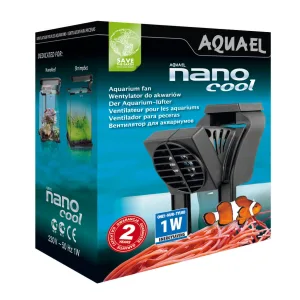
Showing the single result
Get Cost-Effective Cooling Fans for Your Aquarium
Keeping an aquarium during the hot months can be a tough sport for aquarists, especially during seasons when the house gets hot and you have to manage the use of your air conditioner. That is why getting a cooling fan or chiller is a cost-effective alternative to keeping your aquatic pets comfortable and happy. These cooling solutions are designed to prevent heat stress and maintain a healthy water temperature in your aquarium.
The excess heat buildup caused by lighting and other equipment you use near your fish tank is generally not good for them. That is especially why you need an adjustable aquarium cooler. They will help you regulate excess heat and maintain a stable temperature for your fish and aquatic plants. Depending on the models, some have multi-speed fans, while others integrate thermostatic controls for automatic cooling. Whether it’s nano tanks, freshwater aquariums, or saltwater systems that you have, getting an aquarium cooling system is a good investment.
When you shop for a cooling fan or aquarium chiller, consider your tank size, what generates the most heat, and the specific needs of your fish. A USB-powered clip-on fan may be okay for smaller tanks, while larger systems may require multi-fan arrays or external chillers. To get the best value, always go for the one with features like adjustable airflow, low noise operation, and energy efficiency, such as the AquaEL Mini Cooler NANO-COOL.
To get the most from your cooling fans, place them in an open, well-ventilated area near the water’s surface. Do not point the fan directly at the water so that splashes do not damage the unit or cause evaporation imbalance. Because the cooling fans lower the temperature of the fish tank by evaporation, you may need to top up water occasionally to maintain proper levels of water in the aquarium.
When you want to set up your aquarium cooling system, make sure it is not directly over your fish tank or other heat output equipment. You don’t want your aquarium overheating or becoming too cold for your aquatic pets or plants. To ensure the perfect and stable temperature for your fish, explore the range of cost-effective cooling fans for your aquarium.
FAQ About Aquarium Cooling Fans
Why should I get a cooling fan?
If you want a stable temperature in your fish tank, getting a cooling fan is less expensive than aquarium chillers. It will help to prevent overheating in warm conditions while consuming less power. Moreover, it is easy to set up and use.
How do cooling fans work?
To cool the temperature of the water, the cooling fan blows air on the surface of the water. This process is known as evaporation. The more water evaporates, the cooler the temperature in the fish tank becomes.
Is a cooling fan effective during summer?
During summer, the temperature becomes warmer, so getting a cooling fan can help stabilise the fish tank temperature that is suitable for your fish. Simply position the fan to blow air across the surface of the water.
Should I buy an aquarium chiller or a cooling fan?
It depends on your tank size and cooling needs. Getting a chiller will give you precise temperature control if your fish tank is large. But if it is a small fish tank, a cooling fan is more cost-effective for you.
What size aquarium cooler should I buy for my fish tank?
This is highly dependent on the size of your tank, the room temperature, and if there is heat-generating equipment nearby. So, if your fish tank is small (from 5-20 gallons), then you can use a single-fan unit. But if it is a large setup may need multi-fan systems.
How much can cooling fans lower the temperature?
The cooling fans can only lower the temperature of the water to a certain level. This is because if your room temperature is high, the cooling effect may be limited. However, cooling fans can bring the water temperature down by 2–4°C in hot climates.
Can I leave the cooling fan on overnight?
Yes, you can, but it’s a good idea to keep an eye on things. Use an aquarium thermometer to make sure the water doesn’t get too cold while you sleep, since room temperatures tend to drop at night.