



Temperature
Aquarium temperature control is vital for fish health. Precision heaters, chillers, and thermometers maintain stable water conditions year-round, preventing stress and disease.
Showing all 14 results
-
2 Options
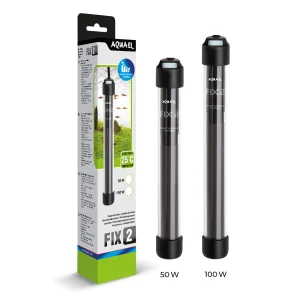
AquaEL FIX 2 Heater
Price range: $13.66 through $16.14 Select options This product has multiple variants. The options may be chosen on the product page -
2 Options
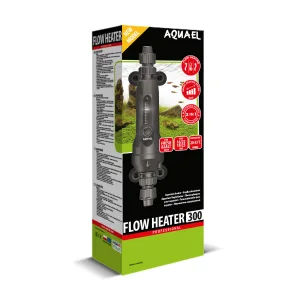
AquaEL Flow Heater 2,0
Price range: $64.59 through $99.37 Select options This product has multiple variants. The options may be chosen on the product page -
9 Options
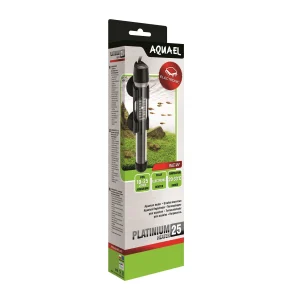
AquaEL Glass Heater Platinium Heater
Price range: $19.00 through $49.69 Select options This product has multiple variants. The options may be chosen on the product page -
-
6 Options
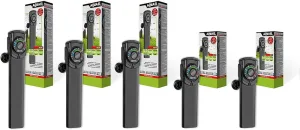
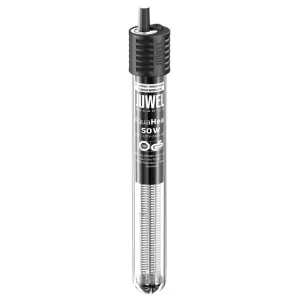
AquaEL Ultra Heater D&N
Price range: $29.83 through $42.24 Select options This product has multiple variants. The options may be chosen on the product page -
-
3 Options
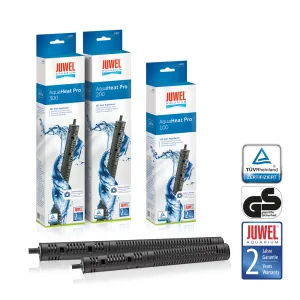
Juwel AquaHeatPro Automatic-Heater
Price range: $40.17 through $45.92 Select options This product has multiple variants. The options may be chosen on the product page -
-
8 Options
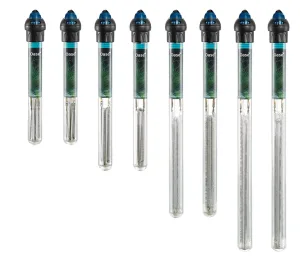
OASE HeatUp
Price range: $31.01 through $51.73 Select options This product has multiple variants. The options may be chosen on the product page -
3 Options
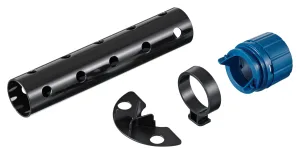
OASE ThermoFit FiltoSmart
$16.05 Select options This product has multiple variants. The options may be chosen on the product page
Showing all 14 results
Shop Aquarium Temperature Control Systems
Aquarium temperature control is key to keeping your fish healthy and stress-free throughout the year. Stable water conditions not only prevent disease outbreaks but also encourage natural fish behavior. With the right heating and cooling setup, you can keep your tank within the perfect temperature range for the species you’re keeping.
There are three main types of equipment used to regulate temperature: heaters, which warm the water; chillers or fans, which cool it down; and thermometers, which help you monitor it. Submersible heaters, like the compact AquaEL Ultra Heater, are ideal for tropical tanks, thanks to their adjustable thermostats. For monitoring, digital and stick-on thermometers such as the Dennerle ThermoFit are accurate and help you catch fluctuations before they become a problem. If you’re running a more advanced setup, especially for marine or high-value freshwater tanks, external controllers and dual-stage thermostats offer precise automation. These systems help protect your tank from both overheating and sudden drops.
When choosing your aquarium temperature control equipment, it’s important to think about the size of your tank, the ambient room temperature, and the specific needs of your fish. Smaller nano tanks typically only need a 25W–50W heater, while medium to large aquariums require something in the 100W–300W range. Look for heaters made from shatterproof or explosion-proof materials, with built-in safety shutoff features and easy calibration. If you live in a warmer climate or your tank setup generates a lot of heat, like reef tanks or aquascapes using CO₂ injection, you might also need a cooling fan or aquarium chiller to keep things under control.
For the best results, install your heater near a flow source like a filter or powerhead, which helps distribute heat evenly. Make sure the heater is fully submerged before plugging it in. When using a thermometer, place it on the opposite end of the tank to get a more accurate average temperature. And don’t forget: after installing a new heater, give it 20–30 minutes to adjust to the water before turning it on.
Having a reliable aquarium temperature control system in place is one of the best ways to protect your fish from dangerous swings and seasonal shifts. Check out our carefully selected range of thermometers and heaters to help you build a setup that works for your aquarium.
FAQs About Aquarium Temperature Control
(1) What is the ideal temperature for an aquarium?
Most tropical fish do best in water between 24–26°C (75–79°F), while coldwater species prefer temperatures around 18–22°C (64–72°F). Each species has its own needs—for example, bettas thrive in slightly warmer water (around 26–28°C), while goldfish are comfortable at 18–23°C. It’s always a good idea to research the specific requirements of your fish.
(2) How to control aquarium water temperature?
To raise the temperature, use an aquarium heater. To cool it, use a fan or chiller. Heaters with built-in thermostats automatically maintain your desired temperature, so you don’t have to make constant adjustments. Make sure your tank isn’t in direct sunlight and that you have good water circulation to help distribute heat evenly.
(3) How to tell if tank water is too cold?
When the water is too cold, fish tend to slow down, eat less, and often gather near any heat source. You might see them hovering near the bottom, moving more slowly, or looking duller in color. Cold temperatures can weaken their immune systems, making them more prone to illness.
(4) How to tell if a fish tank is too hot?
Fish in overheated water may gasp at the surface, breathe rapidly, and seem unusually active or stressed. They might stop eating and start swimming erratically. If the water looks cloudy or starts to smell off, it could be a sign that beneficial bacteria are dying due to the heat, which can affect water quality.
(5) How to increase fish tank temperature?
Use a properly sized heater, generally about 5 watts per gallon of water. Submersible heaters are a popular choice for most tanks, and ones with adjustable settings give you more control. AquaEL heaters are known for their safety features and reliable performance.
(6) How to cool down a fish tank fast?
You can cool a tank by placing ice packs wrapped in towels into the water, increasing surface agitation with fans, or using a chiller for a more permanent solution. Reducing how long the lights are on and improving ventilation can also help. In urgent cases, floating frozen water bottles in the tank works too, but avoid big, sudden changes.
(7) How to check fish tank temperature without a thermometer?
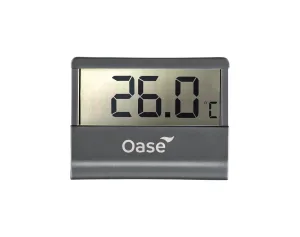
It’s possible to test the water by touch. It should feel slightly warm or neutral, but this method isn’t reliable. A proper aquarium thermometer is an inexpensive and essential tool for making sure your tank stays within the safe range for your fish.