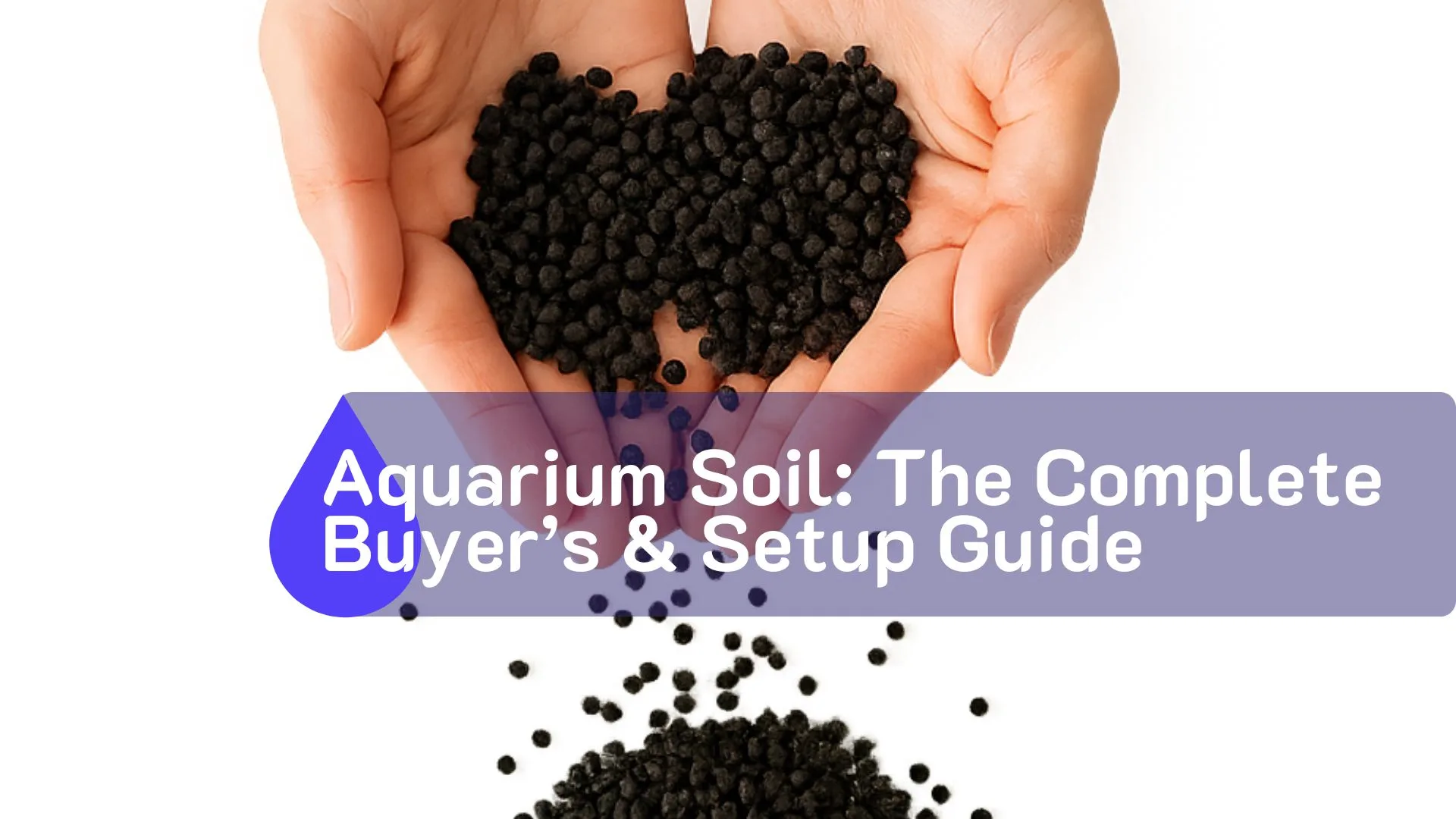
Choosing the right substrate is one of the biggest decisions in a planted aquarium. Aquarium soil doesn’t just hold plants in place, it shapes water chemistry, root nutrition, and the long-term stability of your aquascape. This guide covers what aquarium soil is, how it works, how to choose the right type, and a setup method that avoids algae and pH swings.
What is aquarium soil?
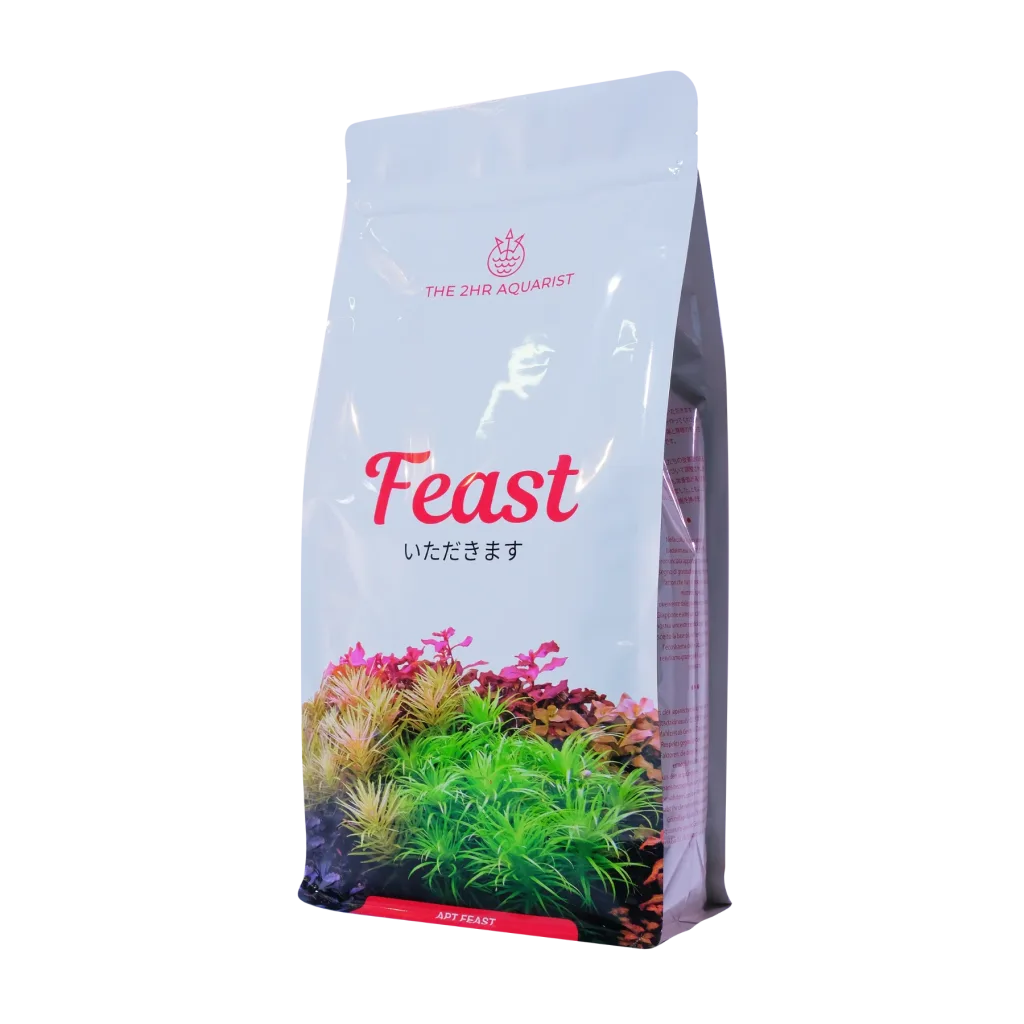
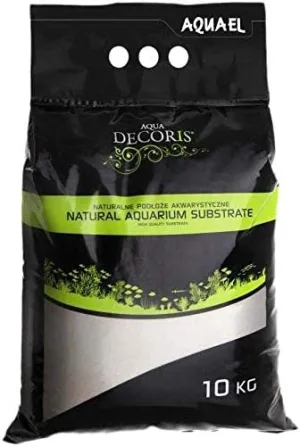
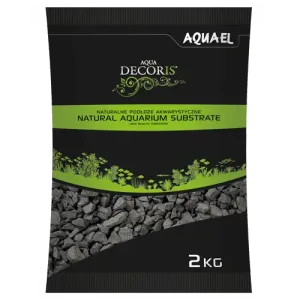
“Aquarium soil” refers to engineered granular substrates for freshwater planted tanks. Compared with sand or gravel, soils are typically nutrient-rich and have cation exchange capacity (CEC), which helps hold and deliver nutrients to plant roots. Many soils are “active”, gently lowering KH and pH into a range that most aquatic plants and shrimp prefer.
Active vs inert soil (key differences)
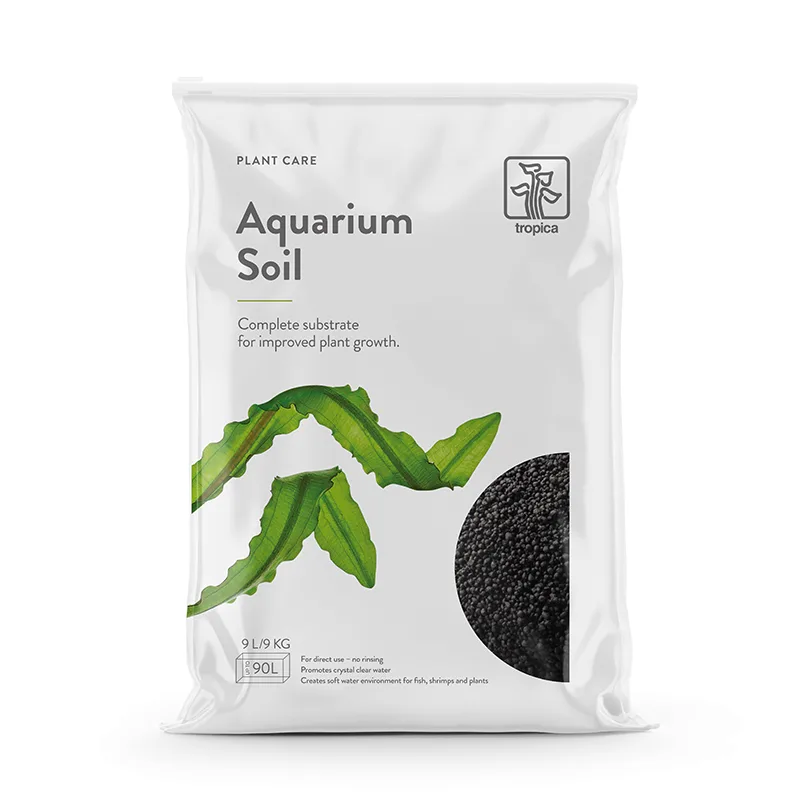
Active soil
- Lowers KH and pH; provides nutrients; high CEC.
- Best for CO₂-injected aquascapes, soft-water fish, and caridina shrimp.
- Watch-outs: small initial ammonium release; buffering weakens over time.
Inert substrate (sand, gravel, lava)
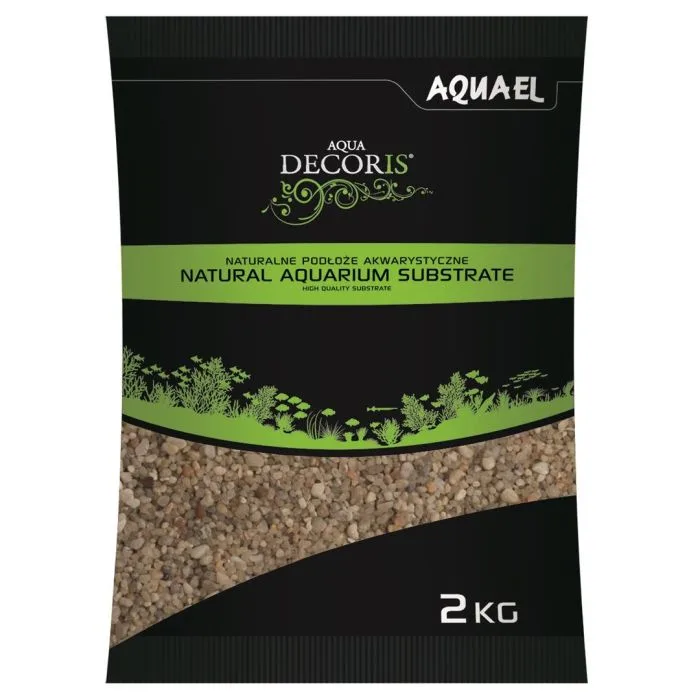
- No change to water chemistry; little to no nutrients.
- Best for hard-water communities and precise parameter control.
- Watch-outs: needs root tabs and a complete liquid fertiliser routine.
How aquarium soils help plants
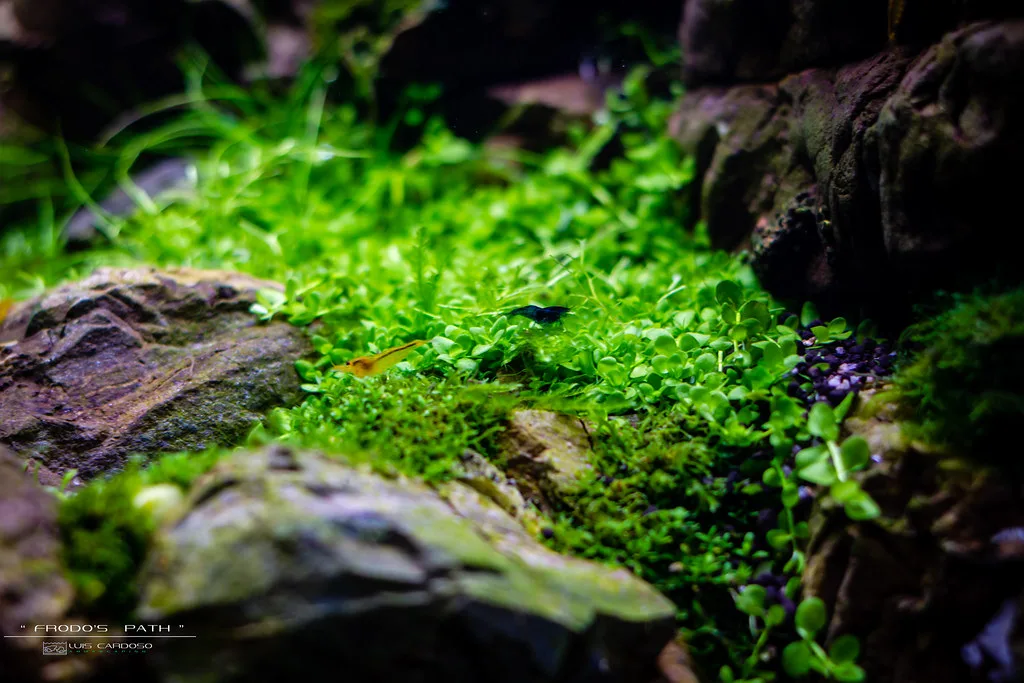
- Root nutrition: pre-charged nutrients plus CEC keep fertiliser in the root zone.
- Planting stability: 2–5 mm granules grip stems and carpeting plants.
- Better chemistry: active soils buffer into a plant-friendly pH, improving CO₂ availability and nutrient uptake.
- Healthy micro-zones: porous granules encourage beneficial bacteria around roots.
How to choose the right soil
Match soil to your goal
- High-energy (CO₂ + high light): a nutrient-rich active soil with strong, hard-baked granules to hold steep slopes.
- Beginner / low-tech (no CO₂): a milder active soil, or inert substrate plus root tabs; avoid aggressive buffering.
- Shrimp tanks: shrimp-safe active soil; remineralise RO water to consistent GH/KH.
- Hard-water community: inert substrate with root tabs to keep parameters steady.
Granule size and hardness
- Powder (2–3 mm): great for carpeting plants (Monte Carlo, dwarf hairgrass).
- Regular (3–5 mm): all-rounder for stems, crypts, and swords; resists compaction.
- Hard-baked granules: maintain slopes longer; resist turning to mud.
Depth, slope, and how much to buy
- General depth: 5–7 cm across most of the tank.
- Foreground carpets: ~3–4 cm; deeper beds under crypts and swords.
- Perspective slope: 3–4 cm at the front rising to 8–12 cm at the back; terrace with rock/mesh for steep layouts.
- Quantity formula (litres): length (cm) × width (cm) × desired depth (cm) ÷ 1000.
Example for a 60P (60 × 30 cm) at 5 cm depth: 60 × 30 × 5 ÷ 1000 = 9 L.
Step-by-step setup (works for most active soils)
- Don’t rinse: most aquarium soils should not be rinsed. Pour gently to minimise dust.
- Hardscape first: place rocks/wood and form your slope; add supports if needed.
- Optional base nutrition: many soils don’t need it; for heavy root feeders, add a thin base or bury root tabs under planting zones.
- Pre-moisten: mist until the soil is evenly damp, planting becomes easier.
- Plant heavy from day one: include fast growers to outcompete algae.
- Fill gently: pour onto plastic or a dish to avoid disturbing the layout.
- Start filter/heater/CO₂: ensure good circulation without blasting the substrate.
New tank water-change schedule (active soils)
- Days 1–7: 50% daily.
- Week 2: 30–50% every other day.
- Week 3: test; if ammonia and nitrite are 0, move to your normal routine.
Only add livestock when ammonia and nitrite are 0 and parameters are stable.
Will soil release ammonia?
Some active soils release small amounts of ammonium in the first days/weeks. This can help cycling and early plant growth. The practical takeaway: plant heavily and follow the early water-change schedule; always test before adding livestock.
Maintenance and lifespan
- Vacuum lightly: hover the siphon above the surface; don’t churn the bed.
- Top up annually: soils settle; add a thin layer to restore depth or slopes.
- Recharge nutrients: after 12–24 months, push root tabs under heavy feeders and keep a complete fertiliser routine.
- Expect buffering to fade over time, especially with hard tap water.
Common mistakes (and easy fixes)
- Cloudy water on day one: normal, run fine mechanical media/polishing pads and follow the water-change schedule.
- Early algae: shorten the photoperiod to ~6 hours, plant more, and stabilise CO₂.
- pH swings: active soils reduce KH; remineralise very soft water to stable GH/KH and avoid abrupt dosing changes.
- Soil mixing into sand paths: add edging (stone or plastic) and refill sand after maintenance.
Buyer’s checklist (quick scan)
- Target pH/KH for your livestock and plants.
- CO₂ and light level (high-energy vs low-tech).
- Granule size for carpets vs stems.
- Bag size versus tank footprint and desired depth.
- Plan for early water changes and have test kits ready.
FAQs (People-Also-Ask style)
Q: Do I need to cap aquarium soil with sand?
A: Usually no. Most soils are designed to be used alone. If you want a sand foreground, separate it with rock or edging to prevent mixing.
Q: How much soil do I need for a 60P (60 × 30 cm)?
A: At 5 cm depth you need about 9 litres. Increase the amount for steeper slopes.
Q: Can I reuse old soil?
A: Yes, for structure, but nutrients and buffering fade. Rinse lightly, re-scape, and recharge with root tabs. Replace if it has turned to mush.
Q: Is active soil safe for shrimp?
A: Yes, many active soils are shrimp-safe. Fully cycle first, avoid copper-heavy medications, and keep parameters stable.
Q: Will active soil crash my pH?
A: It can lower KH/pH. If your source water is very soft, remineralise to a stable GH/KH and avoid large dosing swings.